


Key Takeaways:
– UK’s final coal-fired power station closes, ending 140-year reliance on coal for energy.
– Ratcliffe-on-Soar Power Station has been in operation since 1967.
– The UK becomes the first major global economy to phase out coal.
– The closure aligns with the government’s environmental commitments for cutting greenhouse gas emissions.
– The UK stands out as the only G7 nation to fully phase out coal.
End of an Era for UK’s Coal Power Generation
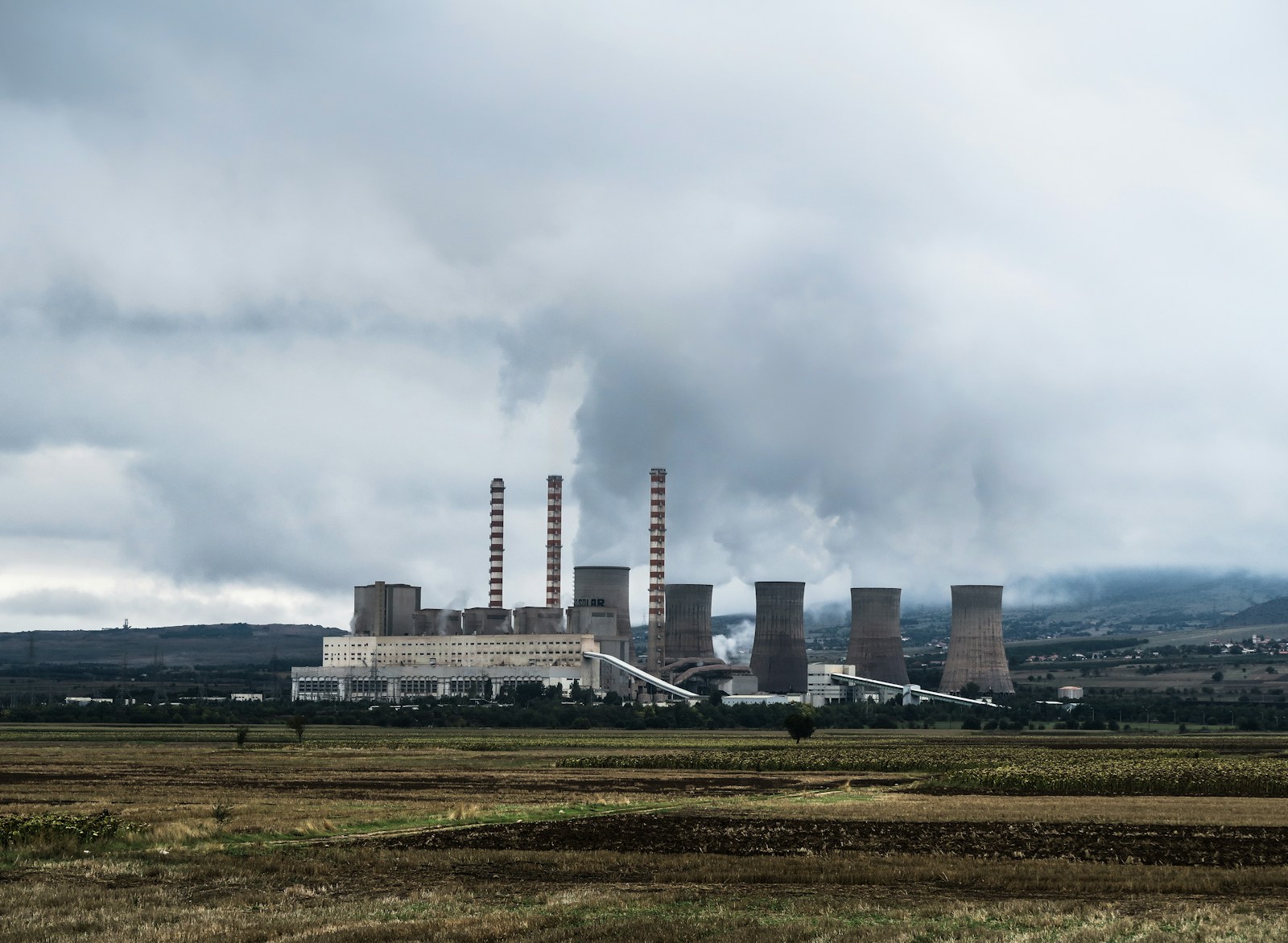
In a historic move, the UK ceased operation at its last coal-fired power station on Monday, symbolising an end to the nation’s 140-year reliance on coal for power generation. The Ratcliffe-on-Soar Power Station, a significant player in the energy sector since 1967, marked this milestone in the turn towards more sustainable energy sources.
The plant, located near a small village in southern England, maintained an impressive track record. Its parent company, Uniper, shared that since the plant began operating, it has produced enough power to brew over 21 trillion cups of tea. To put it in further perspective, its 2GW capacity could supply electricity to two million homes.
Emotions run high at the Power Station, with the plant’s manager, Peter O’Grady, calling it “an emotional day.” He expressed pride over the energy milestone, noting the dramatic shift in perspective over his 36 year career.
UK Makes Important Strides Towards Sustainability
This transition is not just a milestone for the power plant, but a significant move for the entire country. The UK steps up as the pioneer major economy to entirely phase out coal. This shift aligns with the environmental pledges made by the UK government, aimed at net-zero greenhouse gas emissions by 2050.
Additionally, Greenpeace reports coal as the single most damaging fossil fuel for the environment – generating more carbon dioxide than oil or gas. The elimination of coal also aids in lowering levels of mercury, arsenic and particulates that contribute to air pollution.
A New Champion in the G7
Interestingly, while thirteen countries, as highlighted by independent climate think tank Ember, have already phased out coal for energy, the UK is the first G7 member to achieve this.
UK Energy Minister Michael Shanks recognised the valuable role of coal workers, expressing hopes for the opening of a new era of energy employment opportunities. He signalled that while the coal era is ending, “a new age of good energy jobs for our country is just beginning.”
Historical Context: A Look Back
Reflecting on the UK’s relationship with coal, the first coal plant in Britain began in 1882. Inventor Thomas Edison’s Holborn Viaduct coal plant kickstarted public electricity generation. This type of power plant provided enough energy to light a thousand lamps in the City of London.
Despite attempts to clean up the industry, the basics of coal-fired electricity production have remained consistent. This involves burning the fossil fuel, creating steam to turn a turbine, ultimately producing electricity.
The Ratcliffe-on-Soar Power Station closure marks a significant shift away from these historical methods, in a stride towards a cleaner future. This move spotlights the UK’s commitment to sustainability and sets an ambitious precedent for major economies worldwide. Now, the world watches how the UK manages this significant transition and what impacts it will have on the global strategies to tackle climate change.