


Key Takeaways:
– The 15 greatest corporate beneficiaries invested $839 billion in stock buybacks and dividends after the 2017 tax law.
– Currently, lawmakers are discussing whether or not to prolong aspects of the 2017 law.
– The Trump administration is proposing additional tax reductions for the wealthy and large businesses.
– Democratic VP nominee Kamala Harris suggests a hike in corporate tax rate from 21% to 28%.
– A new report highlights the massive income growth for companies like Verizon, Walmart, AT&T, and Meta after the tax cuts.
Corporations Make Big Bucks After Trump’s Tax Law
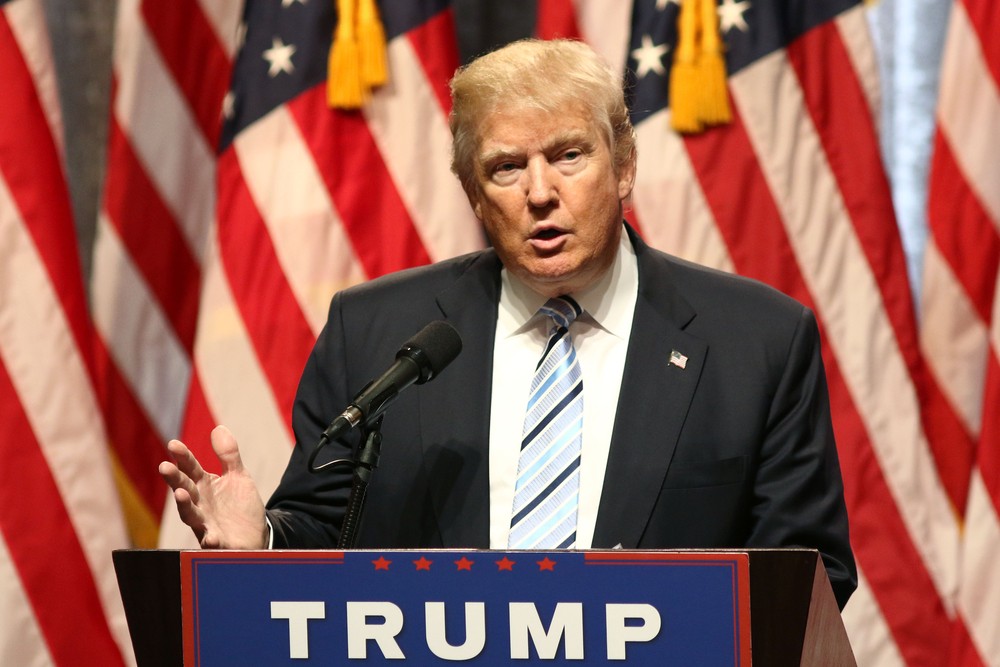
According to a recent study, the 15 biggest corporate beneficiaries from the 2017 tax law, enacted by former President Donald Trump, invested a whopping $839 billion in stock buybacks and dividends since the law’s implementation. These corporations, made super-rich because of the law, funneled massive wealth towards their executives.
The 2017 tax policy, now under congressional review, may face changes, its elements expiring by the end of next year. This law has been a baseball-bat-in-hand for Trump. As he tours the U.S., campaigning for the presidency, he promises more tax cuts for the rich and mega-corporations. Republican lawmakers, reinforced by lobbyists from corporate entities, are ready to rush the new tax breaks if Trump secures the presidency and the GOP achieves control over the House and Senate in the upcoming election.
Harris Proposes Tax Hikes for Corporations
On the opposite end, vice president and the Democratic nominee, Kamala Harris, proposed an increase in the corporate tax rate from the current 21% to 28%. This move is being touted as an attempt to challenge the windfall of super-profits enjoyed by corporations thanks to Trump’s 2017 tax cuts.
The Big Winners: Verizon, Walmart, AT&T, Meta and Many More
Fifteen major companies, including Verizon, Walmart, AT&T, Meta, Home Depot, Intel, Comcast, Walt Disney, Visa, Capital One Financial, Lockheed Martin, Amazon, Lowe’s, UPS, and Texas Instruments, have especially benefited from these tax cuts. With a combined increase in profits totaling over $257 billion, these corporations invested more than $464 billion in stock buybacks and $374 billion in dividends.
It is essential to note that while these corporations enjoyed their massive profits, workers’ wages and consumer prices remained unaffected. The companies’ average tax rates dropped from 27% before the law to 13% after its passage. Top executives and shareholders reaped the benefits, with substantial payouts and increased bonuses.
Trump’s Tax Cut: A Failed Approach?
The promised boon for the U.S. working class, as claimed by the 2017 law’s proponents, has not been seen. Trump administration officials had claimed their centerpiece corporate tax rate cut would ‘very conservatively’ lead to a $4,000 boost in household income. However, research indicates that workers earning less than an average of $114,000 in 2016 saw ‘no change in earnings’ from the corporate tax rate cut. Making matters worse, top executives’ salaries increased sharply.
Bharat Ramamurti, former deputy director of the National Economic Council, stated that the Trump administration’s massive corporate tax cut resulted in higher executive pay and huge shareholder payouts instead of higher wages for workers and increased business investment as initially claimed. He concluded that it was a failed approach.
Critics indicate that corporations exploiting these tax cuts should stop avoiding their fair share of taxes at the costs of everyday Americans. As key provisions of the Trump tax bill are due to expire next year, it’s time for Congress to implement measures to pull in more revenue from corporations and the wealthy. Only then can a more equitable financial structure can be established.
With impending changes, it remains to be seen if future tax policies will tilt the balance in favor of the general populace or continue to serve the rich and powerful. Regardless, it’s essential that everyday Americans comprehend the intricate world of corporate taxation and how it impacts their lives.