

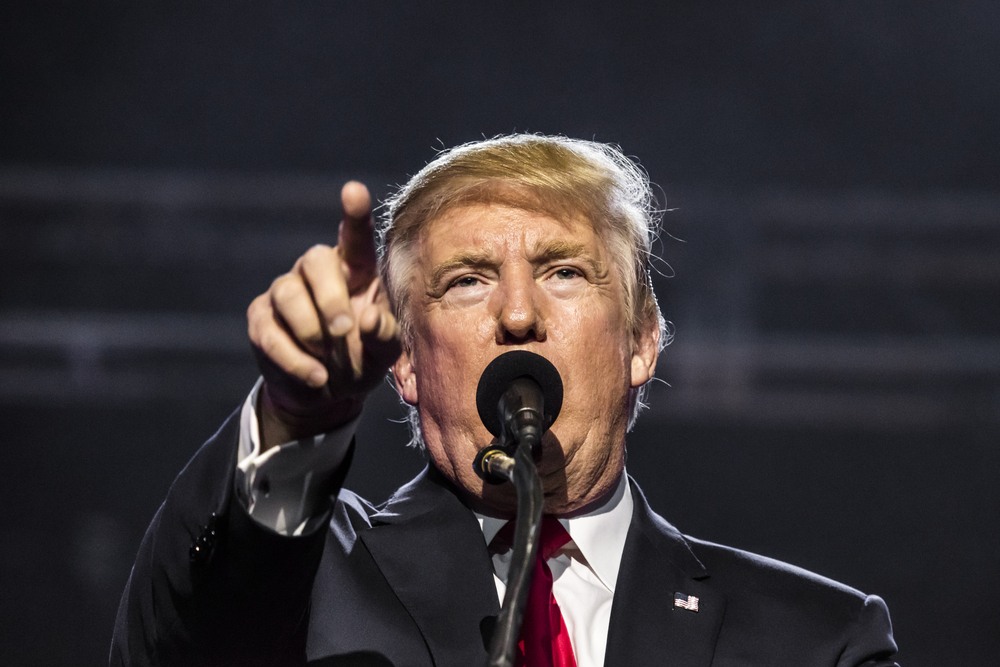

Key Takeaways:
– Trump’s win potentially threatens a series of innovative clean air rules in California.
– Currently, EPA waivers for eight environmental regulations are pending.
– Failure to endorse these rules threatens California’s stringent climate change regulations and their benefits.
– Anticipated regulations are estimated to prevent about 11,000 premature deaths and furnish health benefits worth $116 billion over the coming 30 years.
– Business uncertainty has resulted from this precarious state of affairs, with clean transportation solutions awaiting the government’s decision.
Clean Air Initiatives in California Under Threat
With the return of President Trump to the White House, several of California’s cutting-edge clean air regulations risk facing direct opposition. These stringent rules were poised to aid California in its climate goals and adhere to federal air quality standards. Over the last four years, the state has enacted several landmark air rules, including banning sales of new gasoline cars by 2035 and eradicating diesel trucks from state ports and railyards by 2036.
However, most of these measures have not been green-lighted by the Biden Administration and now confront potential reversal from the incoming Trump Administration. Leaders in the climate sector, both inside California and globally, are preparing for wide-ranging hostility towards these initiatives.
EPA Waivers Awaited for Clean Air Rules
Despite California’s unique status of setting its own vehicle emission norms, the U.S. Environmental Protection Agency (EPA) still needs to give waivers for these rules to be effective. Currently, eight clean air initiatives are awaiting EPA waivers, with some of them held up for as long as four years.
The choice to hold back action on these rules has delayed implementation not only in California but also in other states choosing to observe California’s climate rules rather than those by the federal government. The Biden administration has until January 19 to approve these rules. If it fails to do so, the decision will rest with the incoming administration. Trump has previously expressed his aversion to California’s individualistic environmental standards, further placing these regulations in jeopardy.
Potential Overturn of New Rules Due to Republican Dominance
A potential Republican majority in the House of Representatives and Senate could overturn any rules passed before the January deadline. Under the Congressional Review Act, any significant federal rules adopted within the last 60 legislative session days could face scrutiny. If the EPA had approve the rules by early 2024, such a review could have been averted.
The California Rules at Risk
Several California regulations are now at risk. These include the Small Off-Road Engines rule (2021), the Commercial Harbor Craft rule (2022), the In-Use Locomotive rule (2023), the Advanced Clean Cars II rule (2022), the In-Use Off-Road Diesel-Fueled Fleet rule (2022), the Advanced Clean Fleet rule (2023), the Transport Refrigeration Unit rule (2022), and the Heavy-Duty Omnibus rule (2020). All these rules aim at reducing carbon emissions, promoting clean transport, and better public health measures.
California’s Rules Aimed at Significant Health Benefits
Collectively, the eight pending climate rules in California are anticipated to prevent around 11,000 premature deaths, consequently providing $116 billion in health benefits over the course of three decades, according to the American Lung Association. Yet, federal inaction has interfered with seven out of these eight regulations’ enforcement, causing a delay in projected health benefits.
Impact on Businesses
Uncertainty about the future of these rules is leaving many businesses in a quandary. Most companies are deferring any action until more regulatory clarity is achieved. Trump-appointed judges on numerous federal courts could be tasked with reviewing California’s environmental issues when it comes to any litigation against these rules, further influencing the future of California’s clean air initiatives.