


Key Takeaways:
• Congress officially confirmed the election of Donald Trump as president, with little to no objection from Democrats.
• Democrats, who previously attempted to stop Trump’s presidency, stayed quiet during the recitation of votes.
• A plan to validate Trump’s alleged ‘guilt’ of ‘insurrection’ failed as his victory was confirmed with 312 votes.
President-elect Donald Trump’s Electoral Victory Accepted by Congress
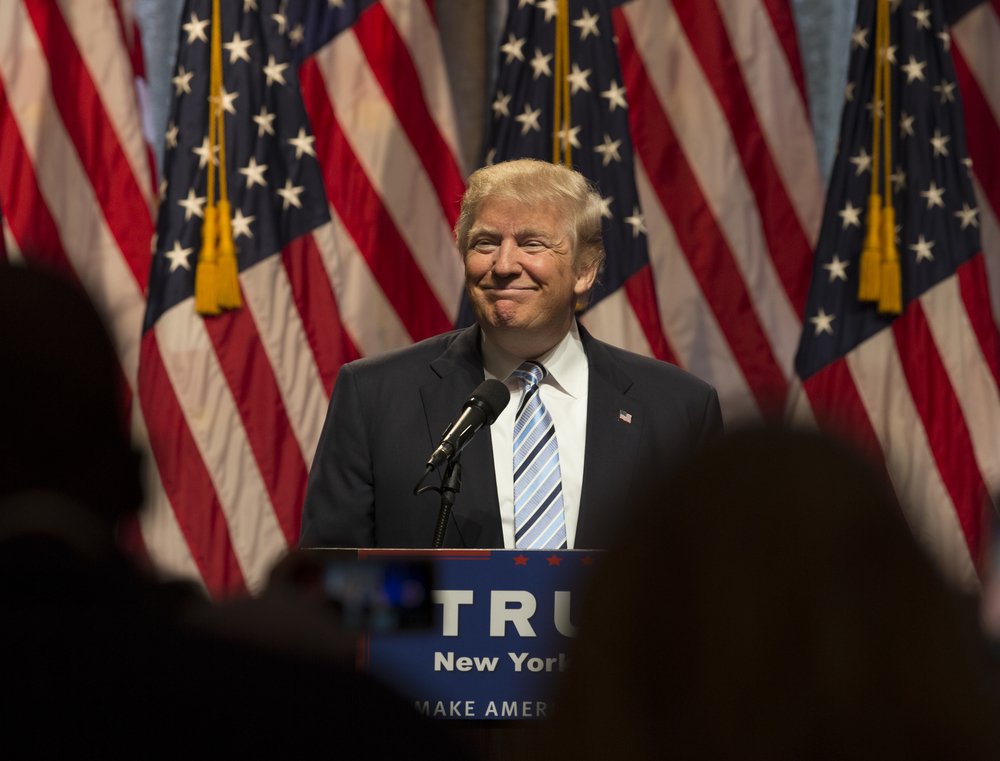
In a session held on Monday, Congress consented to the Electoral College landslide victory of Donald Trump, set to hold his inauguration on January 20. The vote tally stood at 312 for Trump against 226 for Kamala Harris. Surprisingly, the routine Democrat objections regarding past GOP vote counts were notably absent.
Democrats’ Silence under the Spotlight
What was more outstanding, was the unvoiced frustration from the Democrats who had previously disapproved Trump’s presidency. Jamie Raskin, a representative from California, was among those who insisted it was Congress’s responsibility to prevent a Trump presidency. Yet during the recitation of votes, his objections were absent. All these in contrast to the chaos of four years ago when vote count integrity was questioned, leading to Congress’s disruption and the Joe Biden vote delay.
Trump’s Pardon Promise for Harrowed Supporters
Following the chaos, there were numerous legal implications, with hundreds facing charges or even jail time. Trump has since pledged to pardon many of them upon his commencement of presidency. He also received support from critics of the Democrat lawfare, who called for investigation and criminal charges against these instigators.
Rejection of Democrats’ Appeal for Extremism
There were substantial claims from the Democrats for extreme measures against Trump, which failed to gather momentum. As noted in a Washington Stand column, attorneys Evan Davis and David Schulte wanted Democrats to strongly object Trump’s presidency. The pair demanded so based on their belief of Trump’s ‘guilt’ of ‘insurrection’. However, their plan was criticized for its questionable interpretation of the 14th Amendment Section 3.
Discrediting of Davis and Schulte’s Claims
The column hit back at the attorneys’ claims concerning the former President’s ‘guilt’. The official U.S. Senate record cleared Trump off impeachment charges, thus contradicting Davis and Schulte’s assertion of his ‘inciting insurrection’ guilt. In addition to this, the lawyers’ attempt to prevent Trump’s name from the Colorado presidential primary ballot faced defeat in the Supreme Court. This defeat shaded light on their misconstrued understanding of the 14th Amendment Section 3.
How the Legal Circus Attempt Failed
The commentary explained that the two lawyers’ plan was likely to transform the joint session of Congress into a quasi-legal circus with the purpose of disqualifying state electoral votes. This audacious plan intended to eventually make Kamala Harris the President by default. Their strategy included challenging votes from the GOP states. There were multiple problems with the scheme. Educated interpretations of the 14th Amendment suggested that the president and vice president were not included in the coverage, thus contradicting their scheme.
Final Thoughts
In conclusion, the legal complexities and political uproars surrounding Trump’s presidency remain noteworthy. The entire incident serves as a real-life manifestation of democracy met with resistance. While various attempts were made to halt his presidency, the collective acceptance and grace displayed by the governmental institution prove that the democratic process continues to thrive regardless of individual beliefs and ideologies.