


Key Takeaways:
- President Trump made several false claims during a speech at the Department of Justice.
- He discussed various topics, including crime, immigration, and the Ukraine war.
- Trump alleged unspecified crimes and corruption without providing evidence.
- His statements are part of a pattern of spreading misinformation.
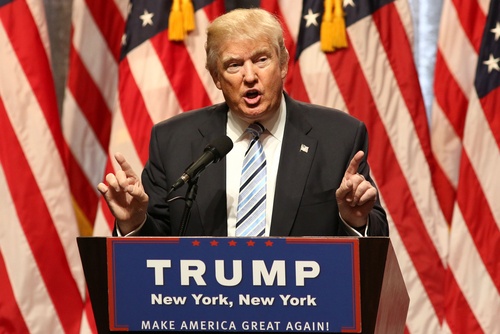
Introduction: President Donald Trump recently delivered a speech at the Department of Justice, addressing several topics. His remarks, however, sparked controversy due to multiple false claims, some of which were not supported by evidence. This instance is not isolated, as Trump has a history of making contentious statements.
A Pattern of Falsehoods: Trump’s speech at the DOJ is the latest in a series of public addresses where he has made questionable claims. This pattern raises concerns about the accuracy of information presented by public figures, highlighting the importance of fact-checking.
Allegations Without Evidence: During his speech, Trump alleged unspecified crimes during the Biden administration and corruption among judges. However, he did not provide any evidence to support these claims. This lack of substantiation undermines the credibility of his allegations.
Topics Beyond the DOJ: Trump also discussed immigration and the Ukraine war, borrowing heavily from his political agenda. Addressing such topics at the DOJ, which focuses on legal matters, appeared more like a campaign strategy than an official address.
Why This Matters: Honesty in leadership is crucial for maintaining public trust. When leaders make false statements, it can erode faith in government institutions, affecting societal stability and decision-making processes.
Fact-Checking Trump’s Claims: Several of Trump’s assertions have been disputed. For instance, his claims about crime rates and the situation in Ukraine are not entirely accurate. Verifying such statements is essential to ensure informed public discourse.
The Bigger Picture: This incident reflects a broader trend where political figures use unsubstantiated claims to shape narratives. It underscores the need for media scrutiny and public awareness to hold leaders accountable.
Public Reaction: Reactions to Trump’s speech were mixed. Supporters defended his comments, while critics expressed concern over the potential impact of his false claims on public trust in government.
Conclusion: President Trump’s speech at the DOJ highlighted the issue of misinformation in politics. The importance of truthful leadership and the need for accountability cannot be overstated. As public figures continue to shape narratives, the responsibility to seek truth and hold them accountable rests with us all.