

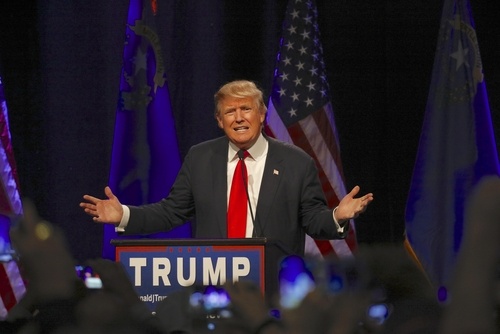

Key Takeaways:
- President Donald Trump cannot own a gun due to felony convictions.
- His convictions relate to falsifying business records in 34 states.
- This highlights controversial laws restricting gun rights for many Americans.
The Full Story
Imagine this: The leader of the United States, with access to the world’s most powerful military, can’t legally own a gun. That’s the reality for President Donald Trump. Why? Because of 34 felony convictions connected to falsifying business records. While some people question the fairness of these convictions, the situation raises a bigger issue: the rules that decide who can and cannot own a gun in America are often confusing and overly broad.
What Happened to Trump?
President Trump lost his right to own a gun because of 34 felony convictions. These convictions are linked to charges of falsifying business records. Even if you disagree with the case against him, it’s strange that someone in his position—someone who once controlled the country’s nuclear weapons—can’t own a gun.
This situation shows how complicated and strict some of the laws in the United States are when it comes to gun rights. While Trump’s case is unique, it brings attention to a larger problem: many Americans are losing their right to own guns because of rules that some feel are unfair or outdated.
Why Does This Matter?
This issue isn’t just about Trump. It’s about how the legal system decides who can and cannot own a gun. In many states, a felony conviction—no matter how old or minor—can permanently take away someone’s right to own a firearm. This is true even for nonviolent crimes, like the ones Trump was convicted of.
Why Some People Are Upset
Critics argue that these laws are too strict. They say that losing the right to own a gun should only happen in cases where someone poses a real danger to society. For example, someone convicted of a violent crime might lose their gun rights, but someone convicted of a nonviolent crime like falsifying records should not face the same punishment.
Others point out that these laws can be unfair because they don’t always account for the circumstances of the crime or how much time has passed since then. They argue that people should have a chance to regain their rights if they’ve served their time and proven they’re responsible.
The Bigger Picture
Trump’s situation is just one example of how the legal system works when it comes to gun rights. Across the country, millions of Americans are affected by these laws. Some lost their gun rights decades ago for crimes they no longer wish to repeat. Others feel unfairly punished for crimes they claim they didn’t even commit.
Why the Laws Are Controversial
The rules about who can own a gun are set by state and federal laws. These laws are designed to keep communities safe by preventing dangerous individuals from owning firearms. However, critics say these laws often go too far and punish people for crimes that have nothing to do with violence or public safety.
For example, a person convicted of a nonviolent felony, like tax fraud or drug possession, can lose their gun rights forever—even if they’re not a threat to anyone. This has led to calls for reform, with some arguing that these laws should only apply to violent offenders.
What’s Next?
The debate over gun rights and felony convictions won’t go away anytime soon. Supporters of stricter laws argue that they’ve helped reduce crime and keep communities safe. Opponents say the rules are too harsh and should focus only on dangerous offenders.
As for Trump, it’s unclear whether he’ll ever regain his right to own a gun. But his case has brought more attention to the issue, encouraging people to think about how fair and effective these laws are.
FAQ: What You Need to Know
1. Can Trump appeal his convictions? Yes, Trump can appeal his convictions if he believes they’re unfair. However, the process is long and complicated, and there’s no guarantee he’ll succeed.