

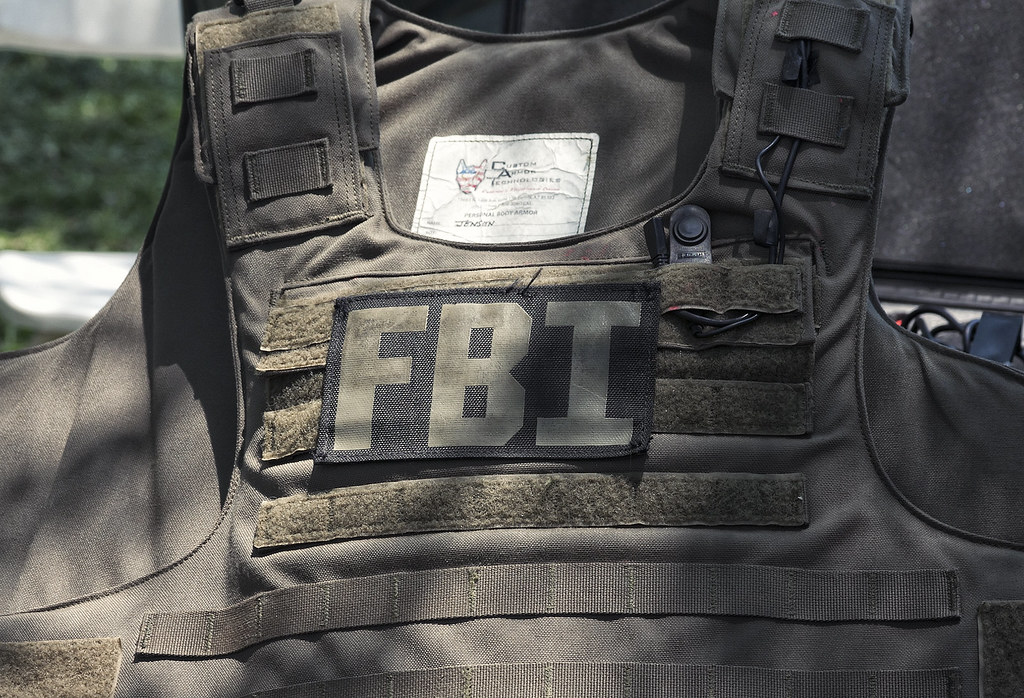

– Federal agents patrol wealthy Georgetown neighborhood
– Social media users question need for patrol
– Videos show FBI and DEA agents in bulletproof vests
– Local officer says patrol misuses federal resources
– Crime data shows no incidents in Georgetown this year
Introduction
Federal agents stirred laughter online when they marched through Georgetown. This area ranks among the safest in the capital. People wondered why investigators left their desks to stroll posh sidewalks. Social media filled with jokes and sharp reactions.
Agents on the Move
Agents wore bulletproof vests labeled FBI or DEA. They walked along tree-lined streets and high-end shops. They passed elegant townhouses and art galleries. Diners paused mid-meal to stare. One video captured a hush falling over a restaurant patio.
Online Reactions
Immediately, the scene went viral. A tech writer asked if the agents were hunting white collar crime. Another joked about pairing chardonnay with steak. A designer called it political theater. Meanwhile, a reproductive freedom activist quipped about hunting white collar criminals. Internet users compared the mission to giving jaywalking tickets.
Political Context
Critics blamed the patrol on politics. One user pointed to a recent terrorist attack on a government agency. He questioned why the director focused on Georgetown rather than real threats. Others saw the walk as a stunt to boost public image. They called it a waste of time and money.
Local Police Perspective
A Metropolitan Police officer said investigators belong behind desks. She noted federal staff rarely go east of the river. She added that the real crime happens elsewhere. Therefore, she doubted the patrol would help the community. She welcomed extra hands but argued for directed effort.
Crime Data Contrast
An independent news outlet shared a violent crime map. It showed hundreds of incidents across the city this year. However, Georgetown had zero violent crimes. Bloggers pointed out that agents could help areas with real problems. They urged a focus on neighborhoods with rising violence.
Why Georgetown?
Georgetown remains a hub for wealth and politics. It hosts embassies, think tanks, and upscale shops. Agents might patrol as a show of force. They may test new tactics in a low-risk area. Yet, critics say such drills should take place where threats exist.
Social Media Highlights
One user compared sending agents to Georgetown to sending Navy SEALs to close a lemonade stand. Another posted a photo of empty streets after agents passed. They mocked the quiet that followed. Many memes showed puzzled residents peering around corners.
Impact on Residents
Local business owners felt mixed emotions. Some saw it as a boost in security. Others worried it might scare off customers. Diners paused their meals to watch the unusual scene. Pedestrians snapped selfies with agents in the background.
Potential Benefits
Despite the mockery, patrols can offer training. Agents learn to move in teams and respond as a unit. They practice coordination and public engagement. In a calm setting, they can refine skills without real danger. This could improve response in future crises.
Opportunity Costs
On the other hand, critics highlight cost concerns. Federal budgets face tight scrutiny. Funds spent on low-threat patrols could go to pressing needs. Agencies juggle investigations on cybercrime and terrorism. Redirecting staff here may slow those efforts.
Looking Ahead
Observers wonder if patrols will continue in other safe areas. Some suggest rotating through different districts. This could spread visibility and training benefits. Yet, public opinion may demand more targeted action.
Conclusion
The sight of federal agents in Georgetown sparked online ridicule. Many called it a needless show. They pointed out zero violent crimes in the neighborhood. Local police urged focus on real hot spots. In the end, the event raised questions. Do resources best serve by patrolling safe streets? Or do they deserve deployment where they can help most? Only time will tell how agencies adjust their strategies.