

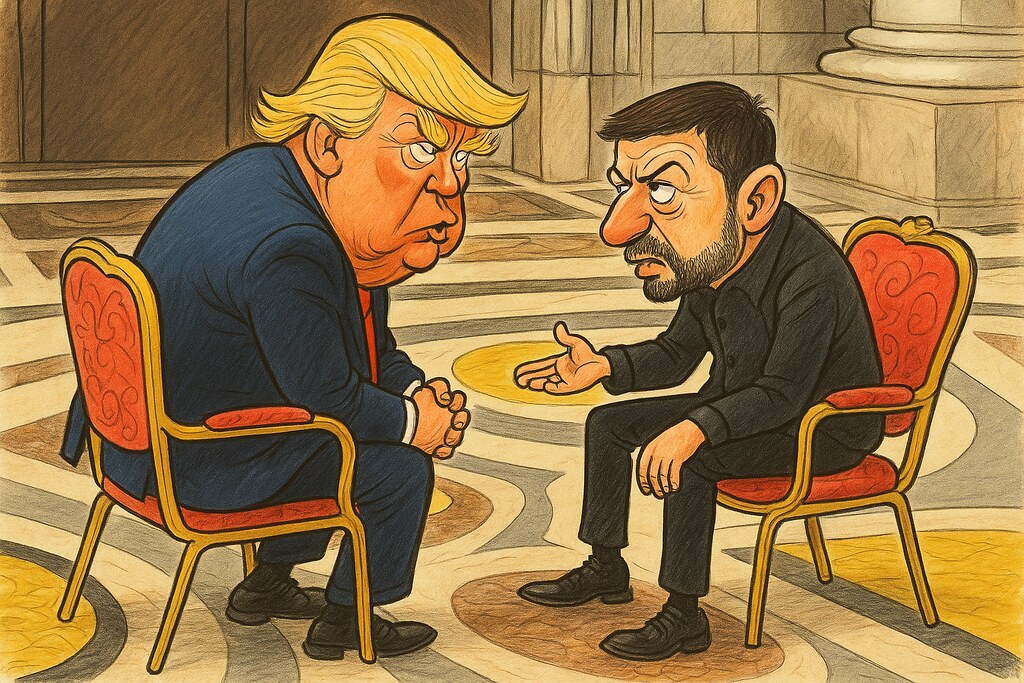
Key takeaways
- Donald Trump plans to set up direct talks between Putin and Zelenskiy
- The last in person meeting was during the Normandy talks in Paris in 2019
- Those talks stalled over election timing and border control issues
- Today the war and territorial questions make peace harder
- The United States now leads mediation instead of Europe
Background on the Normandy Talks
In 2014 Ukraine faced fighting in its east between its army and pro Russian rebels. Russia had just taken Crimea. Leaders from Germany, France, Ukraine and Russia met in Normandy style talks. They aimed to stop the fighting and set rules for special local elections. Those discussions relied on the Minsk agreements of 2014 and 2015.
In December 2019 Putin and Zelenskiy met face to face for only the sixth Normandy meeting. Both hoped for fresh momentum. Yet they could not agree on how to move forward. Soon the talks fell apart and Russia invaded Ukraine fully in 2022.
Why the 2019 Meeting Failed
First, Zelenskiy wanted a ceasefire and border control before local polls. He saw a secure border as the base for any election. Second, Putin insisted on holding elections first. He argued that polls would calm the region. Third, Putin would not admit that Russia took part in the conflict. He called it a civil war inside Ukraine.
Moreover neither leader could adjust their main goals. Zelenskiy aimed to end the fighting and keep Ukraine free of Russian power. Putin sought to keep Ukraine out of western groups like the European Union and NATO. Because of that the meeting ended without key agreements.
What Has Changed Since 2019
First, the conflict turned into a full scale war in 2022. That makes talks more urgent but also more complex. Second, Russia can no longer claim it is not a party to the war. Everyone now knows Russian troops fight inside Ukraine. Third, the stakes over land have risen. Crimea and parts of Donetsk Luhansk Kherson and Zaporizhzhia remain under Russian control.
Today some say a US led peace plan might include a formal US nod to Russian control of Crimea. It might also accept Russian occupation of other regions in Ukraine. Those ideas would shock many Ukrainians. Russia still calls its actions a special military operation for demilitarization and denazification.

Why Mediation Shifted to the United States
In 2014 and 2015 Germany and France drove the Normandy talks. European leaders found it hard to stay neutral. Putin saw them as biased toward Kyiv. Now the US leads talks. President Trump says he will arrange direct talks between Putin and Zelenskiy at a secret location. He met Putin in 2024 and spoke with Zelenskiy in 2025. Yet he has not yet shown progress on real peace terms.
Furthermore Trump’s style differs from European leaders. He often speaks freely about sanctions and troop aid. That style may appeal to Putin who prefers a US partner over tight allies. However it may raise concerns in Kyiv and across Europe.
Major Challenges Ahead
First both sides remain firm on key demands. Zelenskiy rejects any land swap or forced control. He wants all Ukrainian regions back. Putin wants Ukraine to drop any bid to join NATO or the EU. Russia also wants Crimea to stay under its rule.
Second deep mistrust exists on both sides. Ukraine fears that any deal might leave Russia free to strike again. Russia worries that Ukraine may build up western weapons near its border.
Third public opinion in Ukraine and other western countries matters. Many Ukrainians do not trust peace talks unless they restore full sovereignty. In the United States Congress still debates how much aid to send. That makes a clear US policy harder to set.
Can Direct Talks Help
Meeting face to face may reduce personal mistrust. It may let the leaders discuss new ideas directly. Yet without real compromises the talks may stall again. Mediators must prepare clear steps on security and local governance. They need to link steps on border control with moves on elections.
In addition they must decide how to handle Crimea and occupied areas. They need to balance Ukrainian security with Russian concerns. Only a plan that all sides see as fair can survive.


Lessons from 2019 for Today
First, set small clear steps rather than big fast deals. Second, involve neutral parties to monitor each step. Third, define who will verify ceasefires and border checks. Fourth, protect human rights in the occupied zones. Fifth, keep strong public support for any agreement.
Therefore a direct meeting is only a start. Leaders must follow through with clear actions. They must build trust step by step. Otherwise the same mistakes of 2019 may repeat on a larger scale.
Conclusion
Donald Trump’s plan to meet Putin and Zelenskiy could mark a new push for peace. However lessons from the Normandy talks show how easy it is to stall. Today’s war and territorial disputes make talks even tougher. For real success mediators must tie security steps to political reforms. They must win public and political support. Only then can talks move from a nice meeting to a lasting agreement.
Getting the leaders in a room matters. Yet only clear plans and shared trust can end this war. Many will watch closely to see if Trump can avoid past failures and bring real peace to Ukraine.