


Key Takeaways
- Native flowers provide reliable nectar and pollen for pollinators
- Extra petals in double flowers often block access to rewards
- Altered flower colors can confuse bees, butterflies, and birds
- Letting herbs bloom occasionally supports beneficial insects
- Stagger blooms for colorful gardens all growing season
Why Garden Beauty and Ecology Matter
Many gardeners focus on bright colors and big blooms. They choose plants that look stunning and smell great. However, pollinators like bees, butterflies, and hummingbirds look for different traits. If we ignore their needs, gardens may lose visits from these helpful insects and birds. Therefore, combining beauty and function creates a vibrant space for both humans and wildlife.
How Flowers Talk to Pollinators
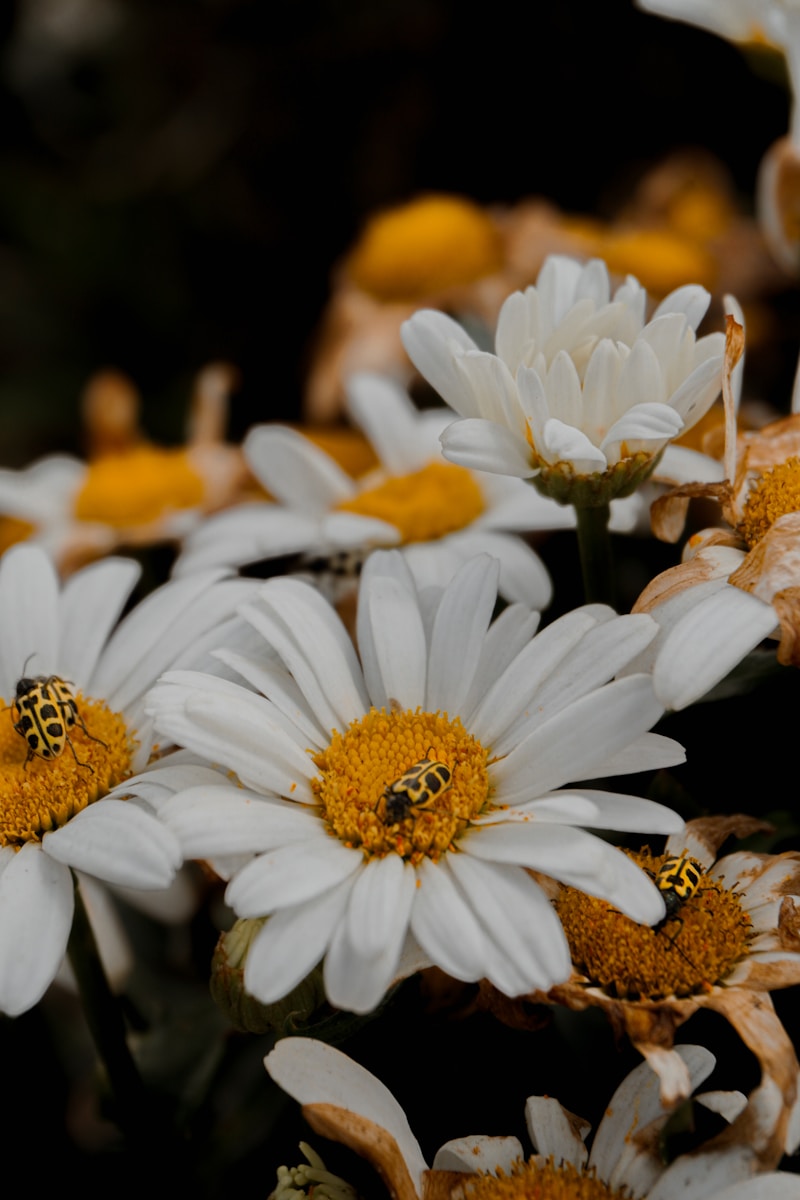
Over time, plants and pollinators formed a team. Flowers show off with colors, patterns, and scents. In return, pollinators get food. For example, hummingbirds love long, narrow red flowers. Bees favor blue, yellow, and white blooms that offer easy landing spots. When a pollinator sips nectar, it picks up pollen. Then it carries that pollen to the next flower. This process lets plants make seeds and grow new plants.

When Pretty Flowers Are Bad for Pollinators
Gardeners often breed flowers for more petals and bigger blooms. In some roses and peonies, extra petals hide the center of the flower. As a result, pollinators cannot reach nectar or pollen. Even worse, double flowers may lose their reproductive parts entirely. These blooms no longer make nectar or pollen. Thus, they offer nothing for bees or butterflies. To keep these prized varieties, gardeners clone the plants from stem cuttings. This fixes the lost traits, but it also means we grow flowers that cannot support pollinators.
Moreover, changing flower color for human tastes can cut out important signals. For instance, we might grow hummingbird plants in white or pink rather than red. These altered hues can make flowers less visible to the birds. In addition, breeding for fancy colors may change leaf color. This shift can reduce the contrast between flowers and their leaves. As a result, pollinators may struggle to spot the blooms.
Flower scent also plays a key role. Bees and butterflies rely on scent to find the next flower. When we breed for large or bright petals, scent genes can change by accident. And if flowers smell faint, pollinators may overlook them.
Letting Herbs Flower Helps Pollinators
Herbs like basil, mint, oregano, and thyme taste best before they bloom. After flowering, they divert energy to making seeds. This shift leaves leaves tougher and less flavorful. For that reason, gardeners often pinch off buds to keep the herbs in leaf. However, letting some herbs bloom provides food and landing pads for pollinators. You can still harvest leaves. Simply allow a few stems to flower now and then. This small change helps bees and butterflies without ruining your recipes.
Choosing Native Pollinator Plants
Native plants evolved alongside local pollinators. They speak the right color and scent language. Plus, they bloom at the right times of year. In most areas, you can find native flowers that shine in spring, summer, and fall. These plants often need less care than nonnatives. They also resist common pests and survive local weather swings. By choosing native species, you boost the health of your local ecosystem and enjoy lively garden visits from bees, birds, and butterflies.
Creating a Colorful Garden All Season
A balanced garden has blooms from early spring to late fall. First, select a range of plants that flower at different times. Next, mix shapes and colors that match pollinator preferences. Include tubular red blooms for hummingbirds. Add blue and yellow flowers for bees. Sprinkle in white and pink blooms for butterflies. Also, leave some open flat flowers for butterflies to land on. Finally, follow a simple planting plan. Place tall plants at the back and shorter ones at the front. This layout keeps blossoms visible and easy to reach.
Tips for a Pollinator-Friendly Garden
Start with the basics. Plant in groups of the same species. Pollinators spot clusters more easily than single plants. Next, avoid pesticides whenever possible. These chemicals can harm or kill helpful insects. Instead, use natural pest control like handpicking or insect traps. Also, include a shallow water source. A birdbath or dish with stones lets bees and butterflies drink safely. Finally, add nesting spots. Leaving small bare patches of soil helps ground-nesting bees. Installing bee hotels supports cavity-nesters.
Balancing Looks and Function
You do not have to sacrifice style for ecology. Many native plants offer brilliant colors and unique shapes. For example, blazing star shows off purple wands in late summer. Goldenrod brings bright yellow clusters in fall. Cardinal flower bursts with red spikes that hummingbirds adore. Coneflowers deliver pink petals around a spiky center that bees visit. By choosing these varieties, you create eye-catching beds that feed pollinators too.
You can still enjoy ornamental favorites. Just look for single–petal types rather than double blooms. Single petals expose the pollen and nectar inside. Check plant labels for words like single, simple, or single bloom. When shopping, ask for varieties that list pollinator benefits.
Measuring Garden Success
To see if your efforts pay off, watch your garden often. Note the types of insects and birds that visit. Take photos or keep a simple journal. Compare visits in early spring, midsummer, and late fall. You may see new guests as you add native plants and let herbs bloom. Over time, your garden will buzz with bees, flutter with butterflies, and even trap the gaze of hummingbirds.

Conclusion
Balancing garden beauty with pollinator needs makes your space more lively. By choosing native plants, avoiding double blooms, and letting herbs flower, you offer vital food sources. In addition, stagger blooms to feed pollinators across seasons. This approach creates a bright, healthy garden that thrives on wildlife visits. With a little planning, you can blend color, scent, and shape to delight both yourself and the many creatures that rely on flowers. Start today, and watch your garden come alive with buzzing, flitting life.