


Key Takeaways
- Stephen Miller’s fascist rant erupted at Washington’s Union Station.
- He threatened more troops and insulted protesters as “elderly white hippies.”
- Analysts Greg Sargent and Monica Potts say the Miller rant shows a weakness.
- Urban voters love their cities and reject authoritarian tactics.
- The clash highlights a gap between political leaders and city residents.
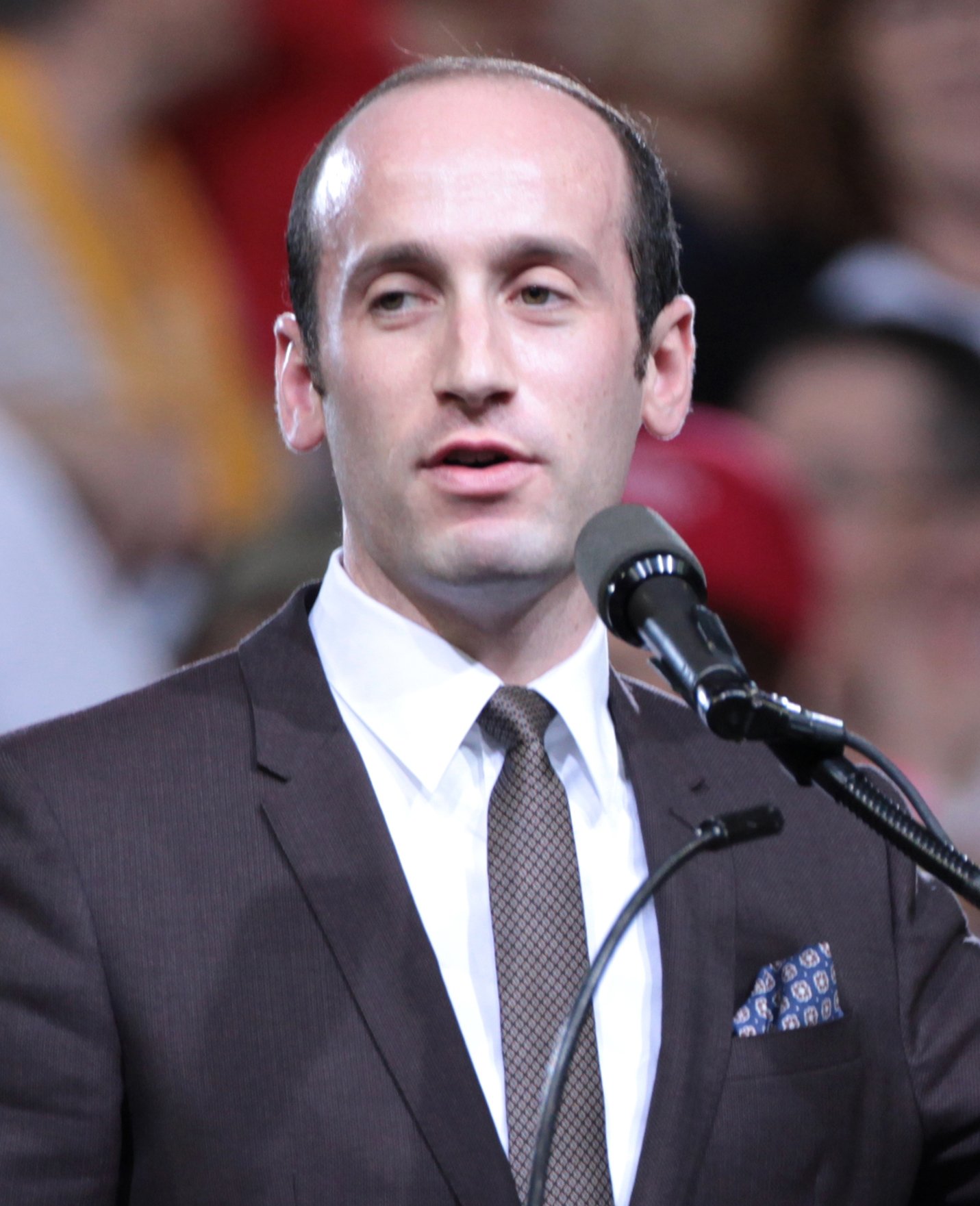
In a surprise event, President Trump’s deputy chief of staff, Stephen Miller, went on a harsh tirade. He spoke at Union Station while thanking the National Guard. However, protesters and travelers nearby joined in. Miller’s words shocked many. Two leading analysts now call this Miller rant a sign of real political weakness. They say it backfired by exposing an out-of-touch view of America’s cities.
Inside the Miller Rant at Union Station
Vice President JD Vance and Defense Secretary Pete Hegseth visited Union Station to praise the National Guard. Soon, protesters appeared near Amtrak travelers. Then Miller took the stage at a nearby Shake Shack. He shouted that “communists” were trying to destroy Washington. He called demonstrators “elderly white hippies” and claimed most residents are Black. He vowed to add even more troops to chase criminals away.
Miller’s harsh words stirred anger. City officials quickly corrected his claim about the population. In fact, Black and white adults in D.C. are nearly equal in number. Yet Miller stuck to his talk about punishing gang members and adding troops. This clash of facts and threats became a viral moment.
Analysts See Threat as a Weakness
Greg Sargent and Monica Potts spoke about the Miller rant on their podcast. They view his threats as a sign of political weakness. Rather than rallying support, Miller revealed a reliance on force. They argue Trump and Miller thought voters would back an authoritarian push. Yet polls show most urban voters reject those tactics.
Moreover, Sargent called Miller’s threat “overt.” He pointed out how odd it is to treat protesters as enemies of the city. In fact, many demonstrators live in those neighborhoods. Potts noted that these are people who truly care for their towns. They feel scared by more soldiers and police trucks rolling through.
Cities Versus Authoritarian Propaganda
Potts explained that this view comes from an old mindset. Back in the 1980s and ’90s, many cities suffered from white flight. Those places felt underfunded and neglected. However, over the past twenty years, cities have rebounded. Young professionals, families, and entrepreneurs are reinvesting in urban areas. They value diversity, culture, and community life.
Therefore, Miller’s depiction of cities as crime-ridden wastelands seems outdated. Instead, modern city dwellers want to work together to improve safety and quality of life. They see their towns as living, breathing communities. They reject turning public spaces into backdrops for political intimidation.
Why Urban Voters Push Back
First, city residents often know their neighbors well. They help one another in tight spots. They organize block parties, clean-up days, and neighborhood watches. These activities build trust and hope. Thus, they resent anyone who paints them as criminals or second-class citizens.
Second, many urban areas now benefit from new investments. Young people start businesses, open shops, and create art. As a result, towns grow cleaner, greener, and more vibrant. This progress clashes with Miller’s attack on “elderly white hippies.” Many of those hippies still live in cities and share its renewal.
Furthermore, social media amplifies voices of everyday residents. A single tweet or video can go viral within minutes. When Miller spoke at Union Station, onlookers filmed him. They shared the clips across platforms. This rapid spread helped fuel the debate he tried to control.
Finally, urban voters represent a key voting bloc. In past elections, city turnout has tipped tight races. Candidates now pay close attention to these votes. They understand that heavy-handed tactics can drive people away. In contrast, they know respectful dialogue can win trust.
Lessons from the Miller Rant
First, threats often reveal fear, not strength. When leaders lean on force, they admit they lack real support. Second, facts matter. Misrepresenting city demographics only erodes credibility. Third, city pride runs deep. Attempts to undermine it can backfire badly.
In the end, the Miller rant at Union Station showed more weakness than power. It highlighted a political divide between national leaders and local communities. Analysts like Sargent and Potts say this gap will only widen if rhetoric stays harsh. They urge leaders to listen, not lash out.
Frequently Asked Questions
What did Stephen Miller rant about at Union Station?
He claimed protesters were “communists,” insulted them as “elderly white hippies,” and threatened to add more troops.
Why do analysts call the Miller rant a sign of weakness?
They say threats show fear, not strength, and reveal a lack of popular support among urban voters.
How do city residents feel about militarized tactics?
Many feel scared and alienated. They prefer community programs and respectful dialogue over force.
What does the Miller rant tell us about modern cities?
It shows that cities have grown diverse and vibrant. Their residents reject outdated stereotypes and value collaboration.