


Key Takeaways:
- The U.S. Interior Department will hold 30 ocean oil drilling auctions in 15 years.
- This schedule was ordered by a new Republican-backed law.
- It replaces President Biden’s earlier plan to limit offshore fossil fuel growth.
- The auctions give oil companies more chances to drill in U.S. waters.
- The move has sparked debate between energy developers and environmental advocates.
Ocean Oil Drilling: A Big Change in U.S. Energy Plans
A major shift is coming to the way the United States manages energy from its oceans. On Tuesday, the Interior Department announced it will organize 30 auctions for ocean oil drilling rights over the next 15 years. This is a big jump from earlier goals during the Biden administration.
The decision follows a newly passed law led by Republicans in Congress. This law states that the government must hold regular oil and gas sales to increase fossil fuel exploration. It overrules past efforts to slow down such projects on public land and in U.S. waters.
Why Ocean Oil Drilling Rights Matter
Ocean oil drilling rights allow companies to search for oil and gas under the ocean floor. These rights are sold at auctions where energy businesses can bid for access. If they win, they can set up drilling equipment and begin exploring designated areas.
The new 15-year plan means the government will offer drilling rights more often. This opens 30 chances for companies to buy access to underwater land. That’s double or even triple the number originally planned by the Biden administration.
Under President Biden’s earlier energy plan, there would have been just 11 drilling sales over five years. That plan focused on slowing down fossil fuel use to help fight climate change. The new schedule moves in the opposite direction.
What Caused the Sudden Change?
Congress recently passed a large tax and spending package. Tucked inside it is a requirement that the Interior Department must hold a set number of oil and gas sales each year. This law forces the department to stick to a rigid schedule of auctions, including ones held in offshore areas like the Gulf of Mexico.
Those who support this change say it will help the U.S. produce more domestic energy and create jobs. They believe more ocean oil drilling will reduce our need to rely on oil imported from other countries. It may also lower energy prices in the long run.
However, environmental groups argue it moves the U.S. backward in the fight against climate change. They say drilling for more oil will increase carbon pollution, leading to stronger storms and rising sea levels. Conservationists also worry about the harm to ocean animals and ecosystems.
How Does Offshore Drilling Work?
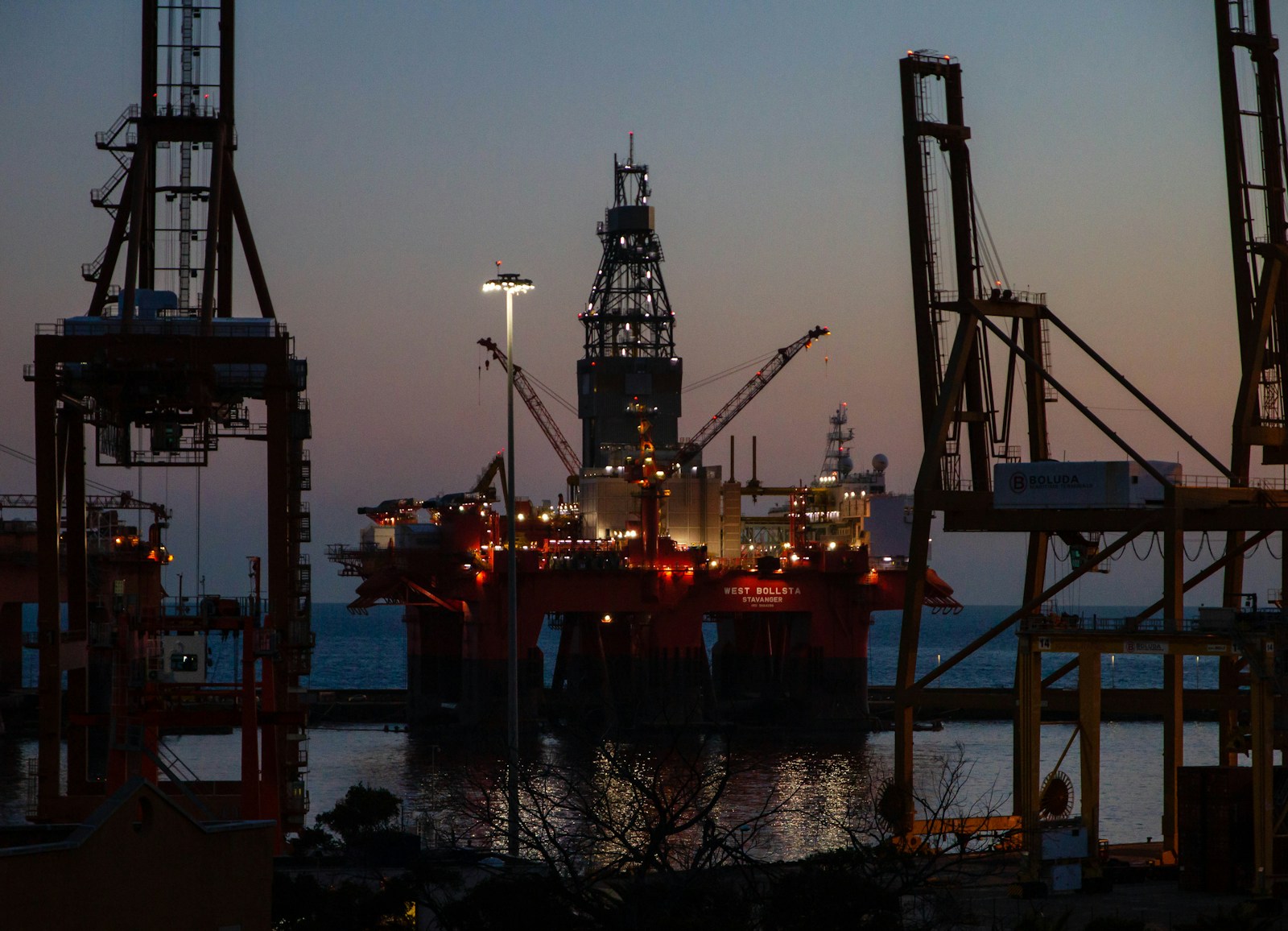
Ocean oil drilling begins once a company buys the rights to an area. The company sets up equipment either on a fixed platform or a floating oil rig. Then they begin digging through the water and into the Earth beneath the ocean floor to find oil or gas.
This process can take years and costs millions of dollars. But it can lead to huge profits if companies discover large supplies. Offshore drilling is common in the Gulf of Mexico, where many successful projects already exist.
Now, with more auctions on the way, companies are eager to expand to new parts of the ocean that were once off-limits.
Clashing Opinions Over Ocean Oil Drilling
The plan to expand ocean oil drilling rights is dividing lawmakers, scientists, and citizens. Supporters say that the added oil supply can help during energy shortages. They also point out that oil is still needed to power cars, homes, and factories.
Republican leaders claim this move strengthens the U.S. economy and protects national security. They argue that producing energy at home is better and cheaper than importing it.
On the other hand, critics warn of the long-term damage. Burning fossil fuels releases greenhouse gases that trap heat in Earth’s atmosphere. This global warming leads to drastic weather events, melting ice caps, and flooding in coastal cities.
Many scientists and climate activists argue that we should invest more in solar, wind, and other clean energy instead of holding more oil sales.
What This Means for the Future
The new 15-year auction schedule could shape what the next generation of energy looks like. If the plan moves forward without changes, we may see more drilling platforms in oceans near U.S. coasts.
This could speed up oil production but slow down progress in switching to cleaner energy sources. It also places pressure on younger voters, climate-focused groups, and lawmakers to push back or offer new solutions.
In the meantime, oil companies will prepare to compete in upcoming sales, hoping to cash in on these new opportunities. Whether or not this ocean oil drilling expansion will be good or bad in the long run is still unclear.
Environmental Lawsuits Likely to Follow
Because of the strong reactions from environmental groups, some legal challenges are likely. Past offshore oil auctions have faced lawsuits from environmental lawyers who argue the government didn’t fully study their impact. Courts have, in some cases, delayed or canceled sales for further review.
Experts expect similar legal fights may occur this time too. Activists say the government should not speed up oil sales without first reviewing how they will affect oceans, wildlife, and climate goals.
As the auctions begin over the next few years, courts may play an important role in deciding what can or cannot move forward.
Will Ocean Oil Drilling Really Help Energy Prices?
The promise of cheaper energy is one of the main reasons behind the push for more drilling. However, experts say offshore drilling can take many years to produce actual oil. So in the short term, these auctions likely won’t reduce gas prices.
Still, once production begins, it could help long-term supply. Supporters say this could act as a safety net when international oil markets become unstable.
What Should You Watch for Next?
As these auctions start taking place, it’s important to pay attention to:
- Which areas of the ocean are offered for drilling?
- Which companies win the rights?
- How protests or legal challenges may delay some auctions?
- How the auctions affect future climate policies?
The first few auctions are expected within the next year or two, marking the start of a new—and possibly controversial—chapter in American energy planning.
FAQs
What are ocean oil drilling auctions?
These are sales where companies bid for the right to explore and drill for oil under the ocean floor in U.S. waters.
Why are there more auctions now?
A new U.S. law requires the government to hold regular auctions to help increase the country’s fossil fuel production.
Will the auctions harm the environment?
Environmentalists are concerned that more drilling could hurt ocean life and worsen climate change due to more oil use.
Can this plan be stopped or changed?
Yes. Lawsuits or future changes in leadership could delay or stop some parts of the drilling plan, especially if courts order a pause for environmental reviews.