


Key Takeaways:
- Donald Trump’s civil fraud case took a major turn this week.
- A panel of five judges questioned the fairness of the $454 million fine.
- The case had no real victims—no banks or insurers claimed to be harmed.
- This development could reshape how fraud cases are handled in New York.
Trump Fraud Case: A Turning Point in Court?
The New York fraud case against Donald Trump has been grabbing headlines for over a year. With bold accusations from state leaders and a giant fine of $454 million, many believed this would be a defining moment in Trump’s business legacy. But now, things seem to be shifting. A group of judges has stepped in and questioned how fair the case really was from the start.
Let’s break down what happened, why it matters, and what could come next in the Trump fraud case.
Case Background: What Was Trump Accused Of?
The Trump fraud case began with claims that Donald Trump exaggerated the value of his properties. New York Attorney General Letitia James argued that Trump had tricked lenders by saying his buildings and assets were worth more than they really were.
For example, it was suggested that Trump inflated the value of properties like Trump Tower and Mar-a-Lago. The goal? Allegedly, to secure bigger loans or better terms from banks.
But here’s the big issue: No one actually complained.
Banks Got Paid, No Victims Identified
In most fraud cases, there’s usually a victim—someone who lost money or suffered damage. But in the Trump fraud case, none of the banks or lenders ever said they were scammed. In fact, they all got paid back, with interest. No complaints were filed by financial institutions or insurance companies.
So who was hurt? That question has been central to Trump’s defense. His lawyers said this was a victimless situation being blown out of proportion. Still, a judge sided with Attorney General James and announced a massive punishment—nearly half a billion dollars in fines and even banning Trump from doing business in New York for a few years.
The Appeals Court Steps In
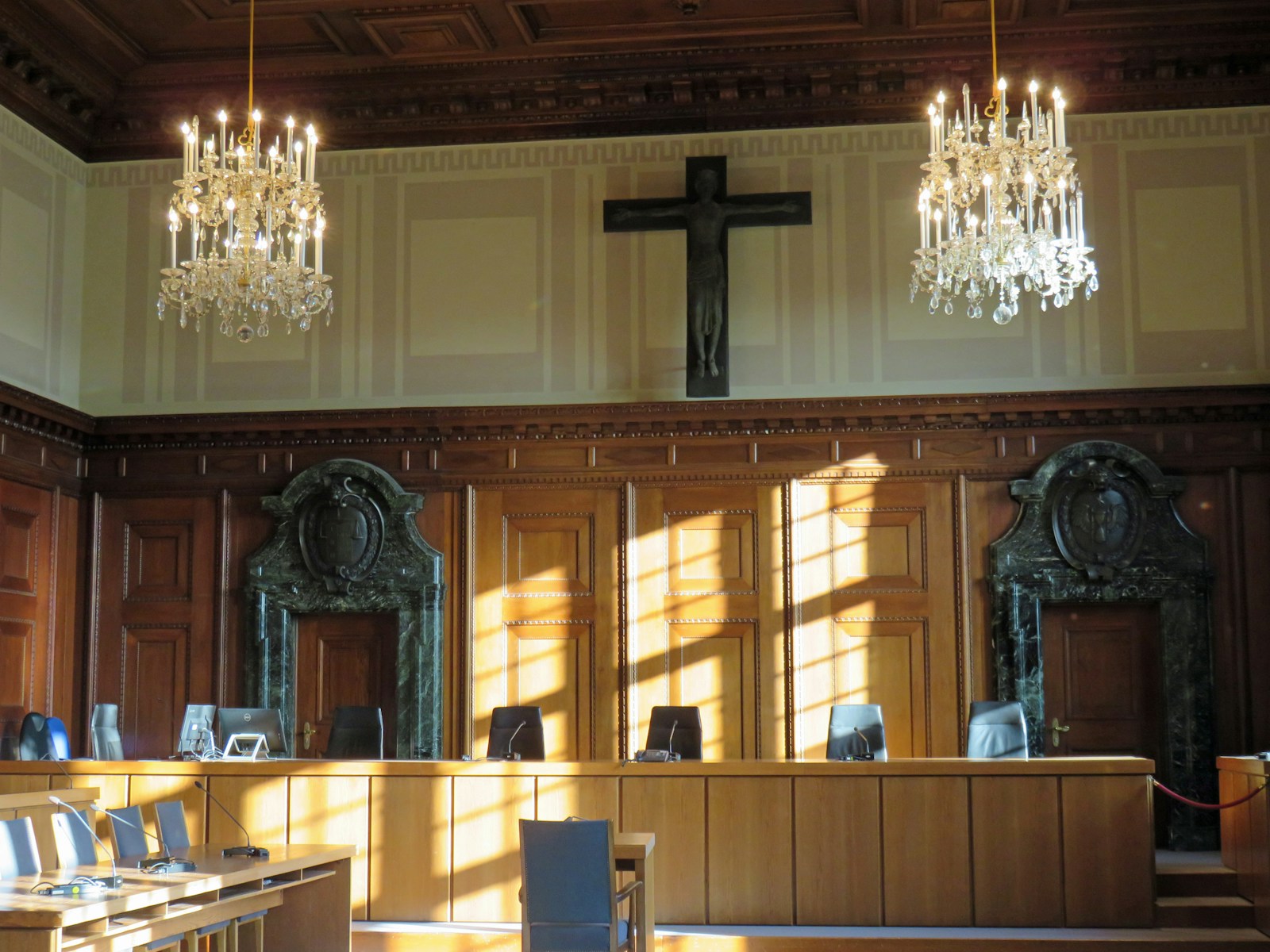
This week, a crack appeared in that decision. A five-judge panel, part of the New York State Appellate Division, showed concern over how harsh the ruling against Trump was. They asked smart, simple questions: Did someone really get fooled? Was there actual damage done?
Notably, the judges didn’t seem sold on the idea that Trump should pay hundreds of millions without a clear victim. The mood in the courtroom suggested that this case may not be as strong as it first appeared.
What This Means for Trump’s Future
If this appeals court rules in Trump’s favor, the massive fine could be thrown out or reduced. His business ban in New York might also be lifted. Since the Trump fraud case has been one of the biggest legal battles tied to his business empire, a change in outcome would be huge.
This wouldn’t just help Trump politically as he gears up for another presidential run—it could also reshape cases involving business valuations and fraud in the future.
Why the Trump Fraud Case May Not Hold Up
There are a few reasons even legal experts are now questioning the case:
1. No Financial Loss
Usually, the harm in a fraud case comes from monetary loss. But here, the banks made money off their deals. Nothing suggests they were cheated or misled into making decisions they wouldn’t have made otherwise.
2. Complex vs. Criminal
Business valuations can be tricky. Property value often depends on opinions, appraisals, and market trends. Misjudged estimates don’t always mean crime. That’s why some experts see the Trump fraud case as more of a business misunderstanding than an actual fraud.
3. Political Overtones
Some believe the case has political motives, given Trump’s high-profile status. Critics say New York officials might be using this lawsuit to hurt Trump’s image, rather than serve justice.
How Has Trump Responded?
As expected, Trump has spoken out strongly in his defense. He’s called the case a “political witch hunt” and criticized everyone involved—from the judge to the attorney general. He claims the whole effort was a plan to damage his reputation as both a businessman and politician.
Now that the appeals court seems open to overturning or at least rethinking the decision, Trump feels vindicated. More importantly, his lawyers see this as a chance to clear his name and rebuild his business brand.
What Happens Next?
The appeals court hasn’t made a final ruling yet. That decision could take weeks or even months. But based on their skeptical tone during the hearing, many think a reversal or reduction of the penalties is possible.
If the Trump fraud case is overturned, it might prompt New York lawmakers to look at how fraud laws are applied, especially when there are no victims.
Until then, Trump continues to campaign, attend legal hearings, and manage his business dealings—all while watching this case carefully.
The Bigger Picture
Whether you like him or not, Trump’s fight in court isn’t just about one man. It shows how states can use fraud laws, how judges interpret financial risk, and how public figures are held accountable.
If banks didn’t complain, no one lost money, and the deals were repaid—should a case like this have reached court in the first place?
That’s the big question we’ll soon have answers to.
FAQs
What exactly was Donald Trump accused of in the fraud case?
Trump was accused of inflating the value of his properties to get better loan terms from banks and insurers.
Did anyone actually lose money in the Trump fraud case?
No. All financial institutions involved were paid in full and earned profits from their deals with Trump.
Why is the appeals court getting involved now?
A group of judges is reviewing the case to decide if the punishment was fair, especially since there were no victims.
Could Trump still face serious penalties if the case continues?
Yes, if the court upholds the original decision, Trump could still owe hundreds of millions and face a business ban in New York. However, signs suggest the court may change course.