


Key Takeaways:
- President Trump has expanded the use of federal troops under an “emergency” claim.
- Experts warn these federal troops are not trained for crowd control.
- Impersonation by thugs and real police makes the situation more dangerous.
- Critics say the move targets Democratic cities for political gain.
- Observers fear a serious incident could happen soon.
Why Federal Troops Matter in This Crisis
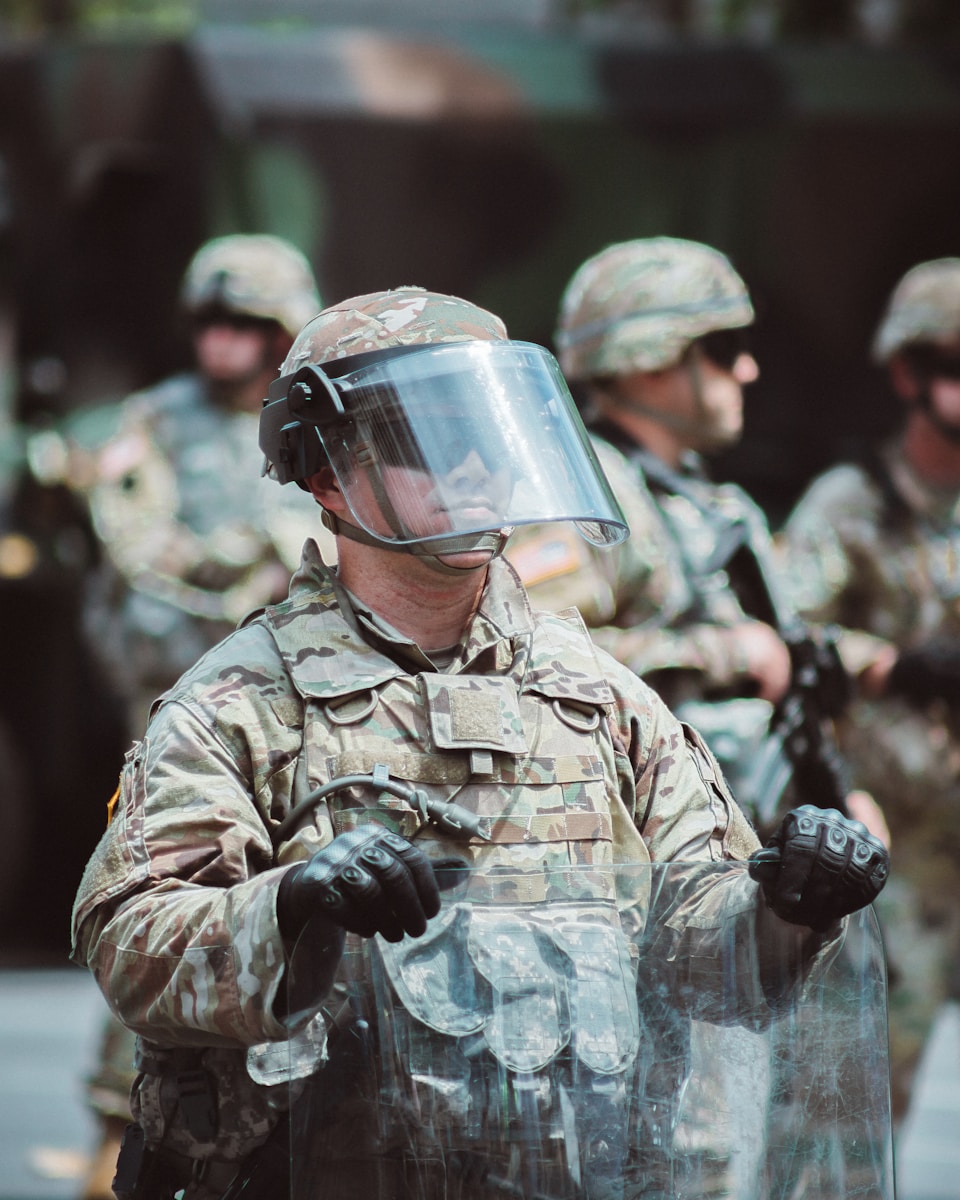
President Trump has kept federal troops in Washington, D.C., and now threatens more cities. He says it’s to protect federal property. However, experts say this is a political power play. Moreover, the use of federal troops can increase confusion and risks for innocent people.
Political Motivations Behind Federal Troops
First, former GOP chair Michael Steele spoke on MSNBC. He noted the pattern. Trump sends federal troops mostly to Democratic-run cities. Even in Republican states, cities with Democratic leaders face these forces. Therefore, it feels like a test of political control, not a real security need.
Second, conservative attorney George Conway joined the discussion. He argued Trump’s move lets cops “act like thugs.” He also warned actual criminals could pretend to be police. This doubles the danger. In short, the president’s plan could hurt more people than it helps.
Risk of Untrained Federal Troops
Federal troops are trained for war, not American streets. So they lack skills in peaceful crowd control. Moreover, they don’t know local laws and rules. As a result, they might use force incorrectly or too quickly.
Conway said this plan is “a prescription for disaster.” He pointed out that guardsmen might not tell the difference between threats and peaceful protest. Thus, an innocent person could get hurt. Because these troops are new to policing, mistakes could mount fast.
Impersonation and Confusion
In addition, Conway described a worrying scene. He said ICE agents and others now wear masks and gear. They look like special police. Yet they answer only to the president. This mix-up can trick bystanders and reporters. Furthermore, real criminals can copy the look. They might rob or hurt people while posing as officers.
Therefore, the community loses trust in any uniform. People cannot tell who imposes the law. This chaos can spark needless panic. Indeed, Conway fears a serious tragedy will happen soon.
Voices from Both Sides
On one side, supporters argue federal troops can keep protests from getting out of hand. They say federal property must stay safe. On the other side, critics see a dangerous overreach. They believe Trump uses these forces to scare voters and punish cities he dislikes.
Salient points include:
- Lack of clear rules: Troops have no standard guide.
- Political bias: Cities run by Democrats feel targeted.
- Public safety risk: Confusion can cause more violence.
- Accountability gap: Who watches these troops?
Local Impact and Public Response
Citizens in targeted cities express mixed feelings. Some welcome help when protests turn violent. Others feel like they live under military rule. They worry about their safety and rights. Moreover, local police chiefs say they were not consulted. This breed’s mistrust between local and federal forces.
Community leaders call for transparency. They urge clear rules on when and how federal troops will act. Without that, they fear more damage than protection.
Possible Solutions Moving Forward
To reduce risk, experts suggest:
1. Set Clear Rules
Define when federal troops can use force. Limit weapons and tactics. Require recording of every encounter.
2. Improve Training
Give troops crowd-control and de-escalation courses. Teach them local laws and rights. This can lower the chance of harm.
3. Increase Oversight
Assign independent monitors to watch and report. Make footage public when safety allows. This builds trust.
4. Engage Local Leaders
Talk to city mayors and governors before deploying troops. Listen to their concerns. This can prevent clashes.
5. Focus on Real Crime Fighters
Use trained local police for most protests. Reserve federal troops for rare, high-risk events. This balances safety and civil rights.
Conclusion
The debate over federal troops highlights a deeper crisis. It’s not just about protests or property. It’s about power, politics, and public trust. Critics believe this move is a show of force, not a genuine safety measure. Indeed, they warn the result may be chaos and tragedy. On the other hand, supporters see a needed step to protect federal assets. Either way, the confusion over uniforms and authority risks real harm. Ultimately, clear rules, training, and oversight are vital. Without them, federal troops might act like thugs—or be mistaken for them—endangering everyone.
Frequently Asked Questions
What authority do federal troops have in U.S. cities?
Federal troops act under the president’s orders. They protect federal property. However, they do not replace local police or have automatic powers to make arrests.
Can local governments reject federal troop deployment?
Governors and mayors can voice objections. Yet the president can still send troops under emergency powers. Legal challenges can follow, but the process takes time.
How can citizens stay safe during these deployments?
People should follow local protest guidelines. Avoid wearing protest symbols. Keep a safe distance from any military or heavily armed unit. Report abuses to oversight bodies.
What steps exist to hold federal troops accountable?
Independent review boards, congressional hearings, and oversight by the Department of Defense can help. Public pressure and media coverage also play key roles.