

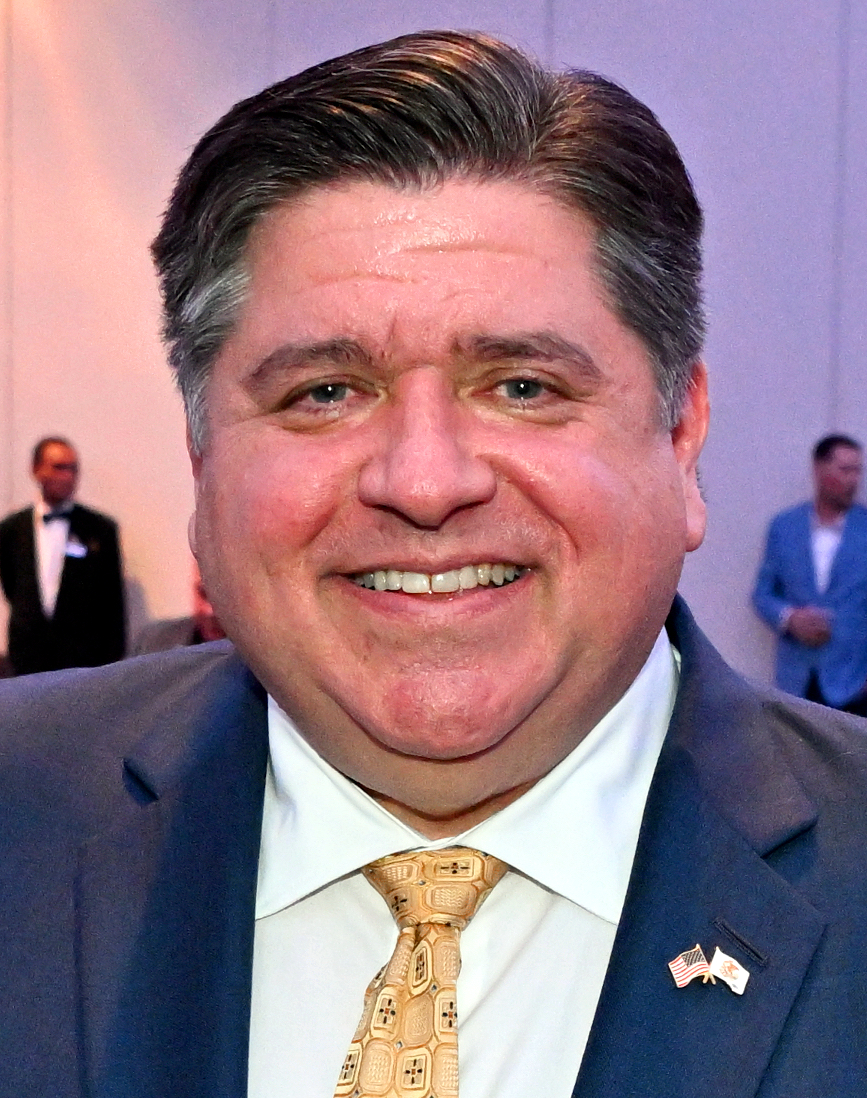

Key takeaways:
- Gov. J.B. Pritzker says Trump did not coordinate before sending soldiers to Illinois.
- Pritzker called the plan “evil,” “unwanted,” and a political stunt.
- He noted red states often have higher violent crime rates than Chicago.
- Illinois has cut burglary and robbery rates through local efforts.
- Pritzker criticized Trump for cutting over $800 million in safety grants.
Trump troops in Chicago face strong pushback
Gov. J.B. Pritzker spoke at a news conference on Monday. He told President Trump not to bring troops to his state. Pritzker said no one from the White House contacted his office. He added that local leaders received no warning or request for help. Instead, they learned about the plan from a newspaper story. Pritzker called it an “evil” move and said it was a political stunt.
Why Trump troops in Chicago raise concern
Pritzker pointed out that many red states have higher violent crime rates than Illinois. For example, he said 13 of the top 20 cities for homicides have Republican governors. None of those cities is Chicago. He also noted that eight of the top ten states with the highest homicide rates are led by Republicans. Again, Illinois did not appear on that list. Therefore, he asked why Trump picks on Chicago but ignores places with worse crime.
Local efforts are paying off
Moreover, Pritzker shared the crime stats he’s most proud of. He said burglaries and robberies are down in Chicago. He praised the city’s police force and elected leaders for working every day to keep neighborhoods safe. However, he admitted no big city has solved all crime. Thus, he argued military action in a U.S. city needs a very strong reason. In this case, he saw none.
Political motives over public safety
In addition, Pritzker said Trump’s cuts to public safety grants contradict his crime rhetoric. He noted that Republicans in Congress are cutting more than eight hundred million dollars in crime prevention funds. That includes a cut of one hundred fifty-eight million dollars for Illinois. If Trump was serious about fighting crime, Pritzker said, he would not slash these funds.
Comparing crime in blue and red areas
Pritzker compared Chicago’s crime trends to those in red states. He pointed out cities like Memphis and Hattiesburg have higher crime rates than Chicago. Despite this, Trump plans to send troops to Illinois but not to those cities. This selective approach, Pritzker argued, showed political bias rather than a real focus on safety.
No coordination with local leaders
He stressed that no state or city official asked for federal help. Neither the governor’s office nor the mayor’s team received any calls. Local police also heard nothing from the federal government. Pritzker said they found out about the plan from reading a national newspaper.
Military deployment seen as a stunt
Pritzker went further, calling Trump’s remarks on the issue proof of declining mental fitness. He said using soldiers as political props can harm both the military and the people in Chicago. He urged the Guard troops not to follow an order that is “not wanted or needed.”
What led to this conflict?
The clash began when reports surfaced that Trump planned to send troops to Chicago to fight crime. He claimed Chicago requested help. Yet Pritzker denied any formal request ever arrived. Instead, officials felt blindsided. This disagreement quickly turned into a public showdown.
Voices from both sides
Some politicians support Trump’s plan, saying more manpower could help curb violence. Others agree with Pritzker, warning that military forces in city streets can escalate tensions. Residents have mixed feelings. Some worry troops will target innocent people. Others hope extra forces will bring more safety.
Potential risks and benefits
Deploying troops inside a city has risks. For example, soldiers train for war, not community policing. They may lack local knowledge or relationships with residents. Thus, clashes can occur. On the other hand, federal forces could back up local law enforcement during emergencies. However, Pritzker believes the risks outweigh any benefits here.
What happens next?
At this point, no troops have arrived in Chicago. Both sides continue to debate. Pritzker is calling on Trump to cancel the plan entirely. Meanwhile, Trump has not publicly withdrawn his proposal. If the president orders the deployment, the move could face legal challenges. Courts may need to decide if the action is lawful without state approval.
Looking ahead
Chicago’s leaders say they will keep fighting crime through local strategies. They plan to seek more community-based solutions. In addition, they will work with federal agencies when invited properly. For now, the city remains on alert for any sign of troop movement.
Chicago’s example for other cities
This conflict highlights a bigger issue. How should federal and local governments work together on public safety? Chicago’s case shows the need for clear communication and mutual respect. Other cities will watch closely. Their own relationships with federal authorities may depend on how this situation resolves.
Final thoughts
Sending the military into U.S. cities is a serious step. Therefore, it demands strong justification and full coordination. In Pritzker’s view, Trump troops in Chicago do not meet that bar. He called the plan both “evil” and “unwanted,” and voiced hope it would be halted. As the debate continues, communities across the country are weighing the right mix of local control and federal assistance.
Frequently Asked Questions
What did Gov. Pritzker accuse Trump of?
Gov. Pritzker accused Trump of planning a surprise military action without consulting Illinois officials. He called it a political stunt.
How does Chicago’s crime rate compare to red states?
Chicago’s violent crime rate is lower than many cities in red states. Eight of the top ten states for homicides are led by Republicans.
Why is local coordination important?
Coordination ensures that federal forces support, rather than conflict with, local law enforcement. It helps avoid unnecessary tension and confusion.
Could troops really help reduce crime?
Troops can back up police in emergencies. Yet they lack training in community policing. Using them on city streets often risks escalating conflicts.