

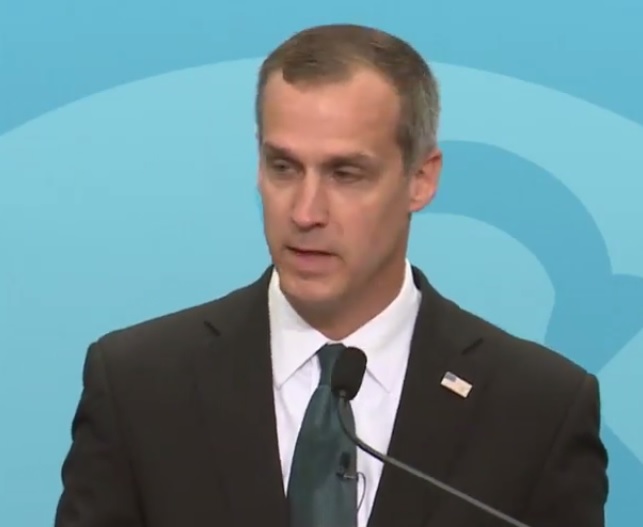

Key takeaways:
- Former Trump manager Corey Lewandowski is acting like DHS chief of staff.
- Staff say he slows DHS projects with veto power over major contracts.
- His name appears on documents meant for Secretary Noem, causing bottlenecks.
- He serves as an unpaid adviser but may exceed the allowed 130 days.
- The situation frustrates FEMA workers and draws criticism from Trump insiders.
Corey Lewandowski’s Veto Power Stirs Frustration
A recent report reveals that former Trump campaign manager Corey Lewandowski now sits in at the Department of Homeland Security. He acts like a chief of staff for Secretary Kristi Noem. As a result, he has become the main decision blocker. Staff members say projects stall until deadlines pass. At the same time, some Trump administration officials have voiced strong disapproval of his growing role.
According to insider accounts, Corey Lewandowski has the power to veto any DHS contract or grant over $100,000. That means his sign off is the last stop before Secretary Noem sees proposals. Consequently, simple tasks like funding for disaster relief get held up for days. FEMA workers describe a frustrating process of manual review. They say this new layer is hurting response times and morale.
An official also noted that many documents now bear Corey Lewandowski’s signature instead of Noem’s. This has created confusion about who truly leads the department. Moreover, it raises legal questions. Normally, only the department head signs off on these forms. Yet, Lewandowski’s mark appears on key contracts. Therefore, FEMA staff cannot push projects forward until the mix-up clears.
Staff members have called the situation “insane” and “unworkable.” One bluntedly stated, “Corey is part of the problem. It doesn’t matter how fast we send it up. It still loops back to him.” In turn, this has sparked heated talks among career officials. Many fear that critical relief efforts could miss seasonal storms or security deadlines because of the hold-ups.
How the new role works
Noem appointed Corey Lewandowski as a special government employee. That role is supposed to be unpaid and limited to 130 days per year. Typically, it covers short stints such as advising on a specific project. However, insiders say Lewandowski acts full time and no pay appears to flow. Federal rules require strict tracking of days served. Thus, questions arise about how his time is counted and whether it violates ethics rules.
Why staff members are upset
FEMA and DHS career employees have grown tired of the so-called “bottleneck.” They say each contract now undergoes hand review rather than automated checks. This adds extra steps to normal workflows. For example, funding for emergency shelters was delayed. By the time approval arrived, those funds could not help families in need on time. Staff worry that this pattern could repeat in future crises.
Impact on FEMA operations
FEMA runs critical programs to handle floods, wildfires, and hurricanes. When grants stall, local officials cannot buy supplies or hire crews. In turn, this slows disaster recovery. Recently, one region awaited approval for backup generators. They sat unused while vulnerable communities faced power cuts. Transitioning to fast relief is key in emergencies. Yet reviewers now wait on Corey Lewandowski’s nod before moving forward.
Questions about rules and limits
Moreover, the arrangement raises legal concerns. Can a special employee hold veto power over major contracts? Federal guidelines limit such roles to advising, not decision making. Critics ask how Lewandowski tracks his official days. They also wonder if an outside relationship with Noem blurs business lines. Insider chatter hints at a close personal bond. As a result, ethics observers believe a formal inquiry might be needed.
Reactions from Trump officials
Surprisingly, some former Trump aides are upset too. They say Noem’s team allowed an outsider to overshadow her own staff. Even campaign loyalists think this looks bad. They worry leaks could emerge that harm their political brand. Beyond that, they fear voters will see the department as mismanaged. So far, no one in the White House has publicly defended Lewandowski’s new duties.
What may happen next
DHS watchdogs and the inspector general could open formal probes. They might examine whether high-value contracts faced undue delays. In addition, officials could audit how Corey Lewandowski logs his service days. If they find a breach, they could demand corrective action. At the least, DHS may issue new guidance to cut out unneeded reviews. That step could speed up funding and restore trust within the department.
In the meantime, staff and external observers will watch closely. They want to see if Secretary Noem reasserts her authority. Alternatively, she may formally hire a chief of staff to handle these tasks. Either way, the goal is clear: keep essential projects on track. Otherwise, communities could suffer from preventable delays in aid and security upgrades.
Frequently Asked Questions
What is Corey Lewandowski’s official role at DHS?
He holds the title of special government employee. Yet insiders call him a de facto chief of staff. He advises Secretary Noem and reviews major contracts.
Why does he have veto power over contracts?
He inserted himself into the approval chain. Any contract or grant over $100,000 must pass his sign-off before reaching the secretary.
How does his role affect FEMA projects?
By adding manual reviews, it slows funding and resources. Emergency relief can miss critical windows, like hurricane season or wildfire response.
Could this arrangement break federal rules?
Possibly. Special government employees should serve limited days and not hold final say on contracts. Ethics investigators may examine if he exceeded his role.