

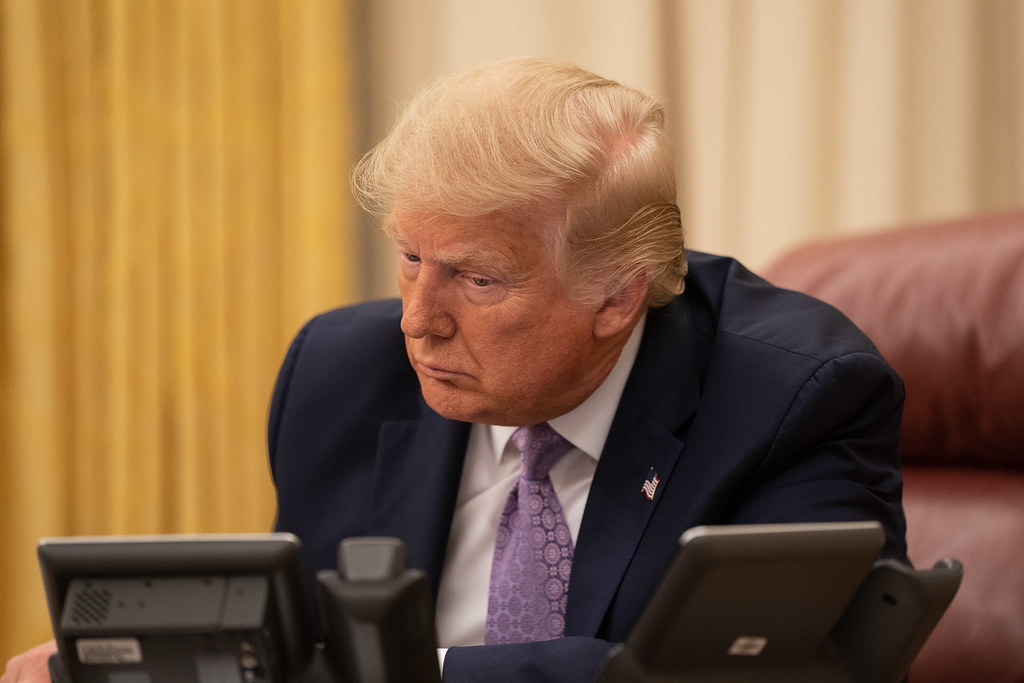

Key takeaways
- President Trump said he wants to bring back the death penalty in Washington, DC.
- Capital punishment was abolished in DC in 1981 and rejected by voters in 1992.
- It remains unclear how federal or local laws could restore the death penalty there.
- Trump has long supported the death penalty, from a 1989 newspaper ad to recent federal executions.
- Critics say data does not back Trump’s claim of a violent crime crisis in the capital.
On Tuesday, President Donald Trump surprised many by proposing to restore the death penalty in Washington, DC. He made the suggestion during a cabinet meeting. Trump argued that this move would help curb violent crime in the nation’s capital. However, his statement clashes with decades of local law and public opinion.
Why is Trump pushing the death penalty now?
Trump pointed to what he called a violent crime crisis in Washington. He claimed more punishments would deter killers. Yet crime data for DC shows mixed trends and recent declines in some categories. Moreover, local officials and experts say tougher sentences have limited impact on crime rates. Still, Trump insisted capital punishment would serve as a strong preventative measure.
Legal Limits on the Death Penalty in DC
Local law in Washington banned the death penalty more than forty years ago. In 1981, the DC Council officially outlawed capital punishment. Then, in 1992, DC voters rejected a referendum that would have brought it back. Consequently, no local court can impose the death penalty for murder. Meanwhile, federal prosecutors can seek it for certain crimes. But even federal jury approval does not guarantee a death sentence.
Trump’s pitch ignored these legal hurdles. He did not explain how the federal government could override DC’s ban. He also failed to detail which federal statutes would apply. In addition, DC is under unique jurisdiction. Congress reviews all DC laws and can block or change local rules. That makes any effort to restore the death penalty highly complex.
Trump’s History with the Death Penalty
Trump has repeatedly praised capital punishment. In 1989, he took out a full-page newspaper ad calling for its return in New York City. That ad focused on the case of five Black teenagers wrongly accused in Central Park. Even after those five men were exonerated, Trump continued insisting on their guilt. He repeated that stance during his 2024 campaign.
In 2020, Trump oversaw a series of federal executions. He approved at least thirteen federal death sentences in his final months. Those actions made him the first modern president to order federal executions in decades. His record shows a clear preference for harsh criminal punishments.
What Could Happen Next?
First, Congress would likely intervene. It has the authority to overturn DC laws or block new measures. Second, federal courts could challenge any attempt to impose capital punishment. Judges might rule that DC’s ban still stands for local crimes. Third, the Justice Department could bring more federal charges in DC. These charges sometimes carry harsher penalties, including life sentences.
However, pursuing the death penalty requires a unanimous jury decision. That makes it harder to secure a sentence of death than a standard conviction. Additionally, federal prosecutors often weigh public opinion before seeking capital punishment. Given DC’s long history against it, they may hesitate.
Public Reaction and Criticism
Critics argue Trump’s plan ignores facts and legal reality. They note that violent crime in DC is lower than in many major U.S. cities. They also point out that data shows tougher sentences do little to prevent crimes. Meanwhile, community leaders say the focus should be on better policing and social services. They believe these strategies work better than capital punishment.
Some advocates for victims’ rights support harsher penalties. They argue families need closure and justice demands the ultimate punishment for killers. Others say the death penalty risks innocent lives and long legal battles. They warn of wrongful convictions and unequal application across races.
Transitioning Toward Solutions
Instead of restoring the death penalty, experts suggest several alternatives. First, improving law enforcement training can help solve violent crimes faster. Second, funding social programs can tackle root causes like poverty and lack of education. Third, expanding mental health services may prevent crimes linked to untreated illnesses. Finally, community policing builds trust between residents and officers.
Moreover, many point to successful crime reduction in cities that emphasized prevention over punishment. For example, some urban areas cut violence by investing in youth centers and job training. These efforts often yield lasting results, they say.
Why the Debate Matters
The debate over the death penalty in DC reflects a larger national discussion. Across the United States, states vary widely on capital punishment. Some have fully abolished it, while others maintain it with rare use. Public support also shifts over time, influenced by high-profile cases and wrongful conviction stories. As a result, any move to change the death penalty status in DC could reignite similar debates nationwide.
In addition, it raises questions about local self-governance versus federal power. Washington, DC, lacks the same autonomy as states. Congress can override local decisions, sparking concerns about democratic fairness. Therefore, Trump’s proposal highlights deep tensions in how the capital is governed.
Looking Ahead
As of now, plans to bring back the death penalty in DC remain only a proposal. Trump did not release a detailed plan or timeline. Local leaders have not indicated a willingness to change the ban. Congress faces an uphill battle if it chooses to act. Meanwhile, court challenges could extend any process for years. In the end, the idea may serve more as a political statement than practical policy.
Frequently Asked Questions
Could Congress force DC to restore the death penalty?
Yes, Congress has the power to override DC’s laws. However, doing so would be politically controversial. Members would face pushback from DC leaders and civil rights groups.
What crimes could trigger the death penalty under federal law in DC?
Federal law allows the death penalty for certain murders and acts of terrorism. Prosecutors would need to charge offenders under those statutes. A unanimous jury decision would be required.
How did DC voters react to the death penalty referendum in 1992?
Voters in DC overwhelmingly rejected a referendum to bring back capital punishment in 1992. That vote reinforced the local ban put in place by the DC Council in 1981.
Has any president successfully changed DC’s criminal laws before?
Presidents can influence DC laws through Congress. However, no president has directly reversed the DC death penalty ban. Any attempt would face legal and political obstacles.