


Key Takeaways
• Financial markets have restrained Trump from firing Fed governor Lisa Cook.
• Market drops tend to make Trump reverse controversial moves.
• Trump paused tariffs after the S&P 500 fell over 12 percent.
• If the Fed loses its independence, the economy could face harm.
• Investors remain cautious, and a big sell-off could change Trump’s plans.
What’s happening with Lisa Cook?
President Trump has accused Fed governor Lisa Cook of mortgage fraud. She and her lawyers deny any wrongdoing. Now, Trump threatens to fire her to weaken the Fed’s independence. However, markets barely reacted so far.
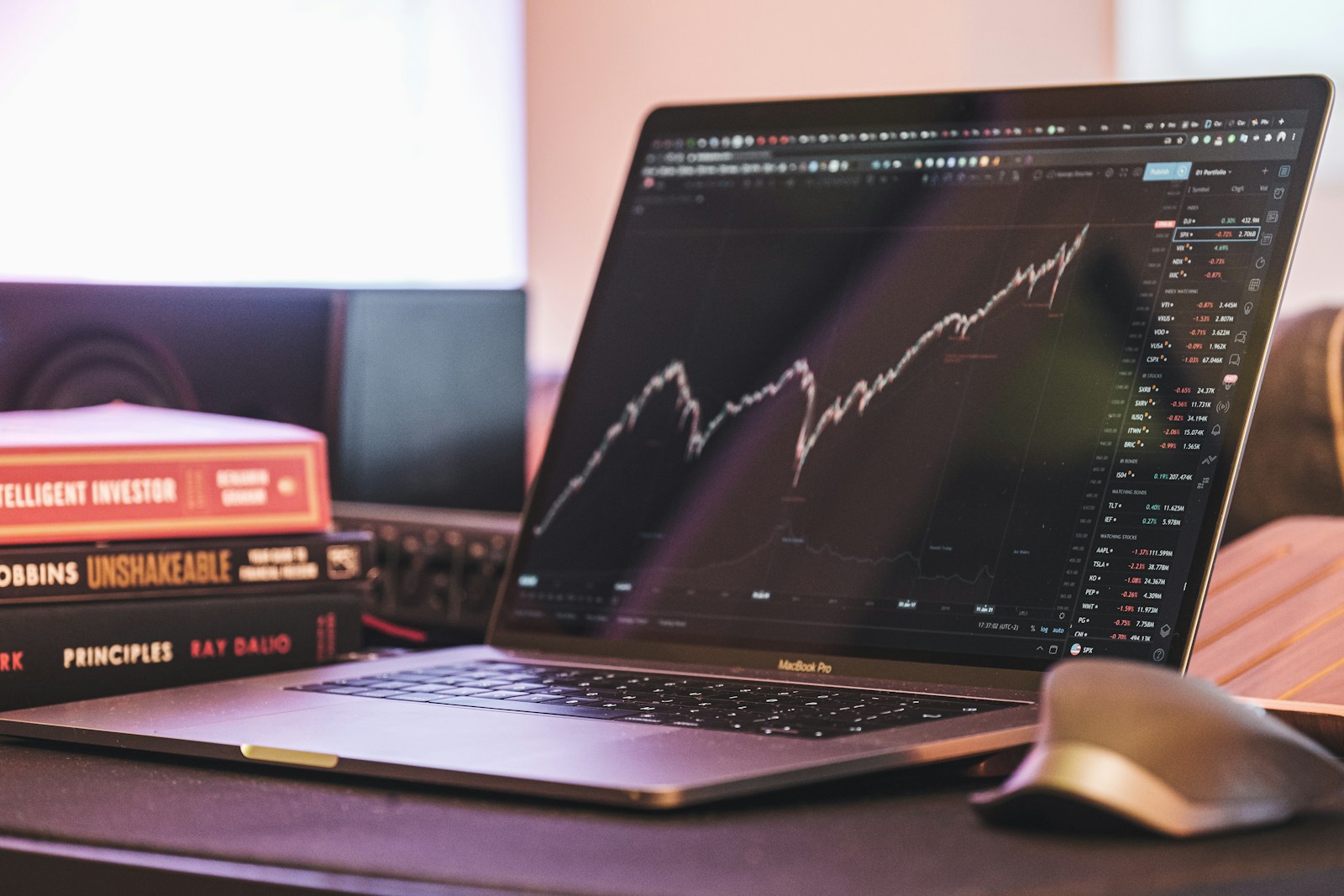
Moreover, on a podcast, MSNBC’s Stephanie Ruhle said markets are his “one guardrail.” She joined Daily Beast editor Joanna Coles to discuss how Trump waits if stocks fall. In fact, when the S&P 500 slid over 12 percent in April, he dropped planned tariffs.
Why financial markets matter to Trump
Financial markets tell Trump if his moves upset investors. So far, they mostly shrugged off news about Cook. Yet, if stocks dip sharply, he might back off again. After all, he prides himself on a strong economy.
Furthermore, the president watches market indexes like the S&P 500 and Dow. When those numbers flash red, he often reverses course. Consequently, Wall Street has become a de facto brake on his riskier ideas.
Past cases of market influence
In April, Trump announced “Liberation Day” tariffs. However, the S&P 500 plunged over 12 percent soon after. Then, he postponed tariffs until markets calmed. Clearly, he responds to financial markets’ signals.
Similarly, during trade talks with China, market jitters made him soften his stance. Twice, he delayed plans to tax European goods because investors panicked. Each time, he returned to negotiations once markets recovered.
What if the Fed loses independence?
If Trump fires Lisa Cook, the Fed may become a political tool. In that case, interest rates and bank rules could sway with elections. That would worry banks, companies, and everyday savers.
Moreover, Fed independence exists to keep inflation low and jobs stable. Without it, the economy might swing wildly. For instance, political pressure could push rates too low, stoking inflation. Or leaders might hike rates to win votes, slowing growth.
Therefore, markets fear any threat to the Fed’s autonomy. Even talk of meddling can spark sell-offs. If investors see the Fed as a puppet, they may demand higher yields on bonds. That alone could raise borrowing costs across the economy.
Signs to watch next
First, follow major indexes every time a Fed shake-up story breaks. A sharp dip may force Trump to retreat. Second, watch Fed officials’ statements. They often signal how seriously they take threats to independence.
Furthermore, check Treasury yields. Rising yields suggest investors see more risk. Also, track corporate bond spreads. Widening spreads mean companies face higher borrowing costs. All these are stress signs in financial markets.
In addition, social media sentiment can move stocks quickly. A viral claim about Fed turmoil could trigger a fast sell-off. Hence, traders now monitor Twitter and news alerts closely.
Finally, pay attention to Fed meeting minutes. They often mention outside pressures. Unexpected references to “political risk” or “market stress” could warn of a brewing conflict.
What comes next?
For now, markets stay calm despite the threat to Lisa Cook. Yet, calm can change in seconds. If a big sell-off hits, Trump may reverse course as before. In fact, he seems to respect market warnings more than other advisors.
Ultimately, the fate of Fed independence may hinge on investor reactions. If financial markets remain muted, Trump might move ahead. Otherwise, a downturn could protect the Fed—for now.
FAQs
What role do financial markets play in Trump’s decisions?
Financial markets act as a brake. When stocks fall, Trump often delays or cancels bold policies. He sees market health as proof of his economic success.
Why is Fed independence so important?
The Fed controls interest rates and banking rules. Its independence helps keep inflation and unemployment in check. Political meddling can lead to unstable prices and growth.
Could firing Lisa Cook really harm markets?
Yes. Investors see such a move as political interference. That could push bond yields up and stocks down, raising borrowing costs and slowing the economy.
How can investors watch for signs of trouble?
Track major stock indexes, bond yields, and corporate bond spreads. Also read Fed meeting minutes and officials’ speeches. Sudden changes may signal rising political risk.