


Key Takeaways
- Planning ahead makes any national park visit more fun and less stressful.
- Choosing off-peak times or less-known spots can help avoid big crowds.
- Packing properly and checking weather keeps you safe and comfortable.
- Talking to park staff often leads to hidden gems and better experiences.
Why Planning Matters for Your National Park Visit
Planning helps you enjoy parks, even when they get very busy. If you plan to visit national parks, you can pick the best days, find places to stay, and know what to pack. Also, planning lets you discover hidden spots away from crowds. As a result, your trip feels smoother and more fun.
What Stops You from Visiting National Parks
First, many people doubt their skills. For example, they may want to hike but worry they are not fit enough. Next, some don’t know where to go or what to do once they arrive. Also, busy schedules or family duties often block time for a visit. Finally, weather and wildlife can make visits hard. Too much heat, snow, or wild animals may keep people away.
Tips to Visit National Parks Without the Crowds
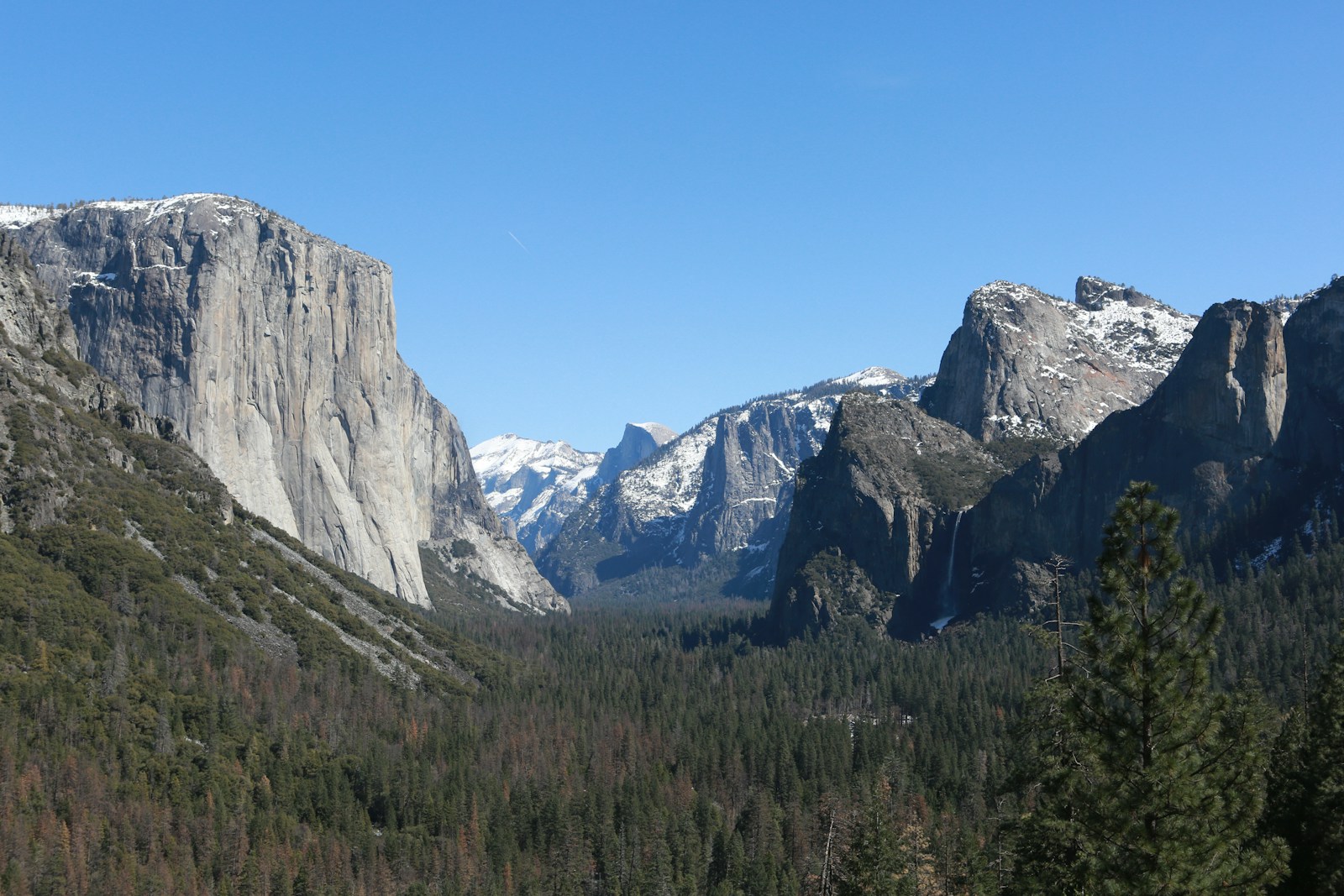
Choose off-peak times. Many parks see fewer visitors on weekdays or in shoulder seasons. For instance, early spring or late fall in Yosemite can be quieter. Also, try sunrise or sunset visits instead of midday.
Explore lesser-known spots. If a famous waterfall is packed, look for smaller falls nearby. Many parks have hidden trails that locals love.
Stay nearby but outside the park. Local motels or small campgrounds often have open spots when park campgrounds are full.
Use reservations when needed. Some parks require advance passes for certain areas. Booking early guarantees access.
How to Adapt When Parks Are Busy
Change your activity. If a popular trail is crowded, try biking or a boat ride elsewhere in the park. Or swap a fishing trip for bird watching by a quiet stream.
Adjust expectations. Big spots like Old Faithful will always draw crowds. Instead of hoping for solitude, soak in the energy of the crowd.
Be flexible with dates. If your first choice is booked, shift your trip by a few days. You might find campsites or tours you thought were gone.
Packing and Preparation for Your National Park Visit
Check the weather. Look at forecasts for rain, heat, or snow. Pack layers so you can stay warm or cool as needed.
Bring essentials. Sunscreen, water bottles, and snacks go a long way. Also, carry a map or download one on your phone in case reception is weak.
Train a bit before big hikes. Walk or jog in your neighborhood to build stamina. This way, long trails feel easier.
Learn some park rules. Knowing where you can camp, fish, or paddle keeps you out of trouble. Rangers often post rules on park websites or at visitor centers.
Finding the Best Places and Activities
Talk to rangers. They know new or less busy trails. They can also warn you about closed roads or rough weather.
Use park websites early. You can see which campgrounds or tours fill up fastest. Then you can book as soon as reservations open.
Join ranger-led programs. These guided walks or talks often go to spots most visitors miss. Plus, they teach you about the park’s nature and history.
Look beyond the main entrance. Some parks have north and south gates. One side might be far less crowded than the other.
Safety and Courtesy in the Park
Share your plan with friends or family. Let someone know your route and expected return time.
Stay on marked trails. This keeps you safe and protects wildlife habitats.
Keep a safe distance from animals. Too close can stress them or make them dangerous.
Respect other visitors. Be polite in parking areas and viewpoints. A friendly wave can ease tension when spots are tight.
Making Memories That Last
Take time to pause. Early morning or late afternoon light makes photos and memories better.
Keep a journal or sketchbook. Writing down what you saw or felt helps you remember details later.
Try something new. Whether it’s paddleboarding, rock climbing, or a night sky program, new activities can spark excitement.
Connect with fellow visitors. Sharing stories around a campfire or on a trail can turn strangers into friends.
Frequently Asked Questions
What is the best time to visit national parks to avoid crowds?
Weekdays and shoulder seasons (early spring or late fall) are usually less busy. Also, early mornings and late afternoons see fewer people.
How can I find hidden trails in a national park?
Ask park rangers for suggestions. They often know trails that are safe and less crowded. You can also check park newsletters or local outdoor forums.
Do all national parks require advance reservations?
Not all parks need them, but many popular spots do. Always check the park’s official site to see if you need passes for camping, hiking, or special areas.
What should I pack for a multi-day national park trip?
Pack layers for changing weather, plenty of water, trail snacks, a map, sunscreen, a first-aid kit, and a flashlight. Also bring permits and reservation confirmations.