


Key Takeaways
- Ashli Babbitt will receive full military funeral honors despite her role in the Jan. 6 riot.
- A retired general called the decision “obscene” because she tried to overturn the election.
- A Trump-appointed Air Force secretary reversed the earlier denial of honors.
- The move has sparked debate over the meaning of military funeral honors.
Military Funeral Honors for Ashli Babbitt Explained
Ashli Babbitt served in the Air Force for 12 years. She took the same oath as every service member to defend the Constitution. Yet, she was shot by Capitol Police on January 6, 2021, during an attempt to breach the Capitol. At first, the Air Force denied her request for military funeral honors. Now, the new Air Force secretary has granted those honors. This decision has stirred strong reactions.
Controversy Over Military Funeral Honors
Retired Army Lt. Gen. Mark Hertling criticized the move. He wrote that Babbitt did not die defending the Constitution. Instead, he said, she died trying to stop the peaceful transfer of power. He compared her death to that of a young soldier who died at a guard post in Iraq. According to him, that soldier saved lives. In contrast, Babbitt forced her way through a Capitol window. Hertling called granting her military funeral honors “a desecration” of true service.
What Are Military Funeral Honors?
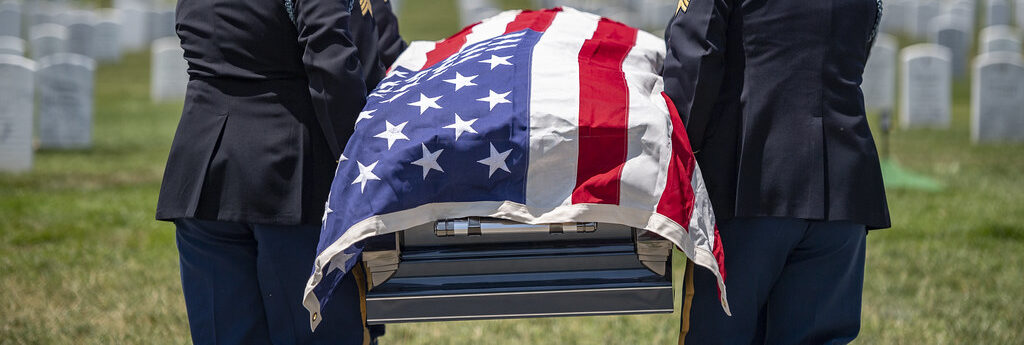
Military funeral honors are a final salute for those who served. They include a flag ceremony and the playing of taps. The honors also involve a rifle salute by a military detail. Normally, they are reserved for service members who die in good standing. They recognize sacrifice and dedication to the nation.
Why Did the Air Force Change Its Mind?
Initially, the Biden-era leadership decided Babbitt did not qualify. They viewed her actions on January 6 as disqualifying. However, Trump’s pick for Air Force secretary reviewed the case. After seeing new information, he said the earlier ruling was wrong. He then invited Babbitt’s family to the Pentagon to share his condolences. In addition, the Trump administration agreed to a $5 million settlement with her family.
Reactions from Leaders and Supporters
Supporters of Babbitt called her a martyr. Former President Trump accused the officer who shot her of misconduct. He labeled that officer a “thug.” Other pro-Trump figures joined the outcry. Meanwhile, critics saw the honors as rewarding an act against democracy. They argued that her behavior on January 6 should exclude her from such recognition.
How Does This Affect Military Tradition?
Granting military funeral honors in this case raises questions. Can actions against the nation still qualify someone for honors? Moreover, who decides what counts as honorable service? The debate touches on the core values of the military. Service members pledge to defend the country, even at personal risk. In light of this incident, many wonder if the rules need tightening.
A Closer Look at Ashli Babbitt’s Service
Babbitt joined the Air Force in 2001. She deployed at least eight times, serving in areas like the Middle East. Her military record earned her praise from some veterans. They point out that she answered the call to serve. Yet, her final act overshadowed her service. That moment at the Capitol defined her legacy for many.
The Role of Oaths and Sacrifice
Every service member swears an oath. They promise to uphold the Constitution. For many, that oath binds their actions on and off duty. Hertling emphasized that true service means protecting the nation’s core values. He felt Babbitt broke her oath by joining a violent breach of the Capitol. In contrast, supporters say she stood up for what she believed was right. This clash over values fuels the dispute over her funeral rites.
Examining the Settlement with Babbitt’s Family
The nearly $5 million payment aims to settle a wrongful death claim. The family argued that the government failed to protect Ashli at the Capitol. Critics view the payment as a political move. They say it rewards misconduct. Nonetheless, for Babbitt’s loved ones, it may bring some closure. Financial settlements often accompany high-profile cases, but they also stir public debate.
Public Opinion and the Media
News outlets and social media have amplified both sides. Some see the honors as a step too far. They argue it cheapens the rituals that honor true sacrifice. Others view the reversal as a fair correction. They point to Babbitt’s long service record. Polls show a divided public. People tend to agree within their political circles, rather than across them.
What Comes Next?
The decision may prompt the military to revisit its honor guidelines. Rules could change to clarify who qualifies for full honors. In addition, court challenges might emerge. Opponents could seek to block the honors or the settlement. Alternatively, this case may remain a flashpoint in the broader fight over January 6’s legacy.
Final Thoughts
The granting of military funeral honors to Ashli Babbitt underscores deep divisions. It highlights questions about duty, sacrifice, and accountability. As the nation moves forward, this decision will likely stay in the spotlight. For now, it serves as a reminder that symbols of service carry strong meaning for many Americans.
Frequently Asked Questions
Why are military funeral honors important?
Military funeral honors pay tribute to a service member’s dedication. They show respect through rituals like firing volleys and playing taps. Families often find comfort in these traditions.
Can military funeral honors be revoked?
Yes. The military can deny honors if a service member’s actions conflict with military values. Each branch has rules to guide these decisions.
Who decides if someone gets military funeral honors?
A branch’s personnel office reviews cases. They consider the person’s service record and how they died. Ultimately, the Secretary of the service branch can approve or deny honors.
Will this case change military policy?
It might. Leaders could create clearer guidelines on who qualifies. New rules could help prevent future controversies.