


Key takeaways:
- President Trump hints at a federal takeover of Chicago to fight crime.
- Former Atlanta mayor Kasim Reed says the president twisted crime data.
- Reed notes the FBI controls crime reporting and must address errors.
- Local leaders call a federal takeover undemocratic and unnecessary.
President Trump teased a federal takeover of Chicago this week. He made the comment after launching a similar move in Washington, D.C. He plans to send federal officers and the National Guard to patrol Chicago’s streets. The White House says some residents welcome extra help. However, critics warn this step could breach local control and civil rights.
Reed Challenges Trump’s Federal Takeover Claims
Kasim Reed, former mayor of Atlanta, pushed back hard. He spoke on CNN’s “First of All with Victor Blackwell.” Reed said Trump “is not being fact-based” about Chicago’s crime rates. He argued that the FBI, part of Trump’s Justice Department, already tracks crime data. Therefore, if numbers are wrong, the FBI should correct them. Meanwhile, Reed noted that inflating crime data here would force Trump to face similar issues in friendly states.
What Is the Federal Takeover Plan?
Trump has been vague about the exact plan for a federal takeover. He spoke about it on Thursday but gave few details. Observers wonder how many officers will arrive in Chicago. They also ask which powers federal agents will use. Will they patrol the streets, make arrests, or focus on cleanup? Furthermore, questions remain about funding and legal authority. Chicago already has local police and crisis teams. Many leaders ask why federal agents would replace or act above them.
Why Are Crime Data in Question?
Reed’s core point focuses on crime data accuracy. He noted that local police submit data to the FBI each year. Trump uses these figures to justify a federal takeover. Reed said, “If crime numbers are false, let the FBI say so.” Additionally, he warned that any admission of faulty data here would expose errors in friendly states. Thus, Trump avoids challenging his own Justice Department. Reed claimed this refusal shows Trump’s data distortion.
Resident Reactions to Federal Takeover Talk
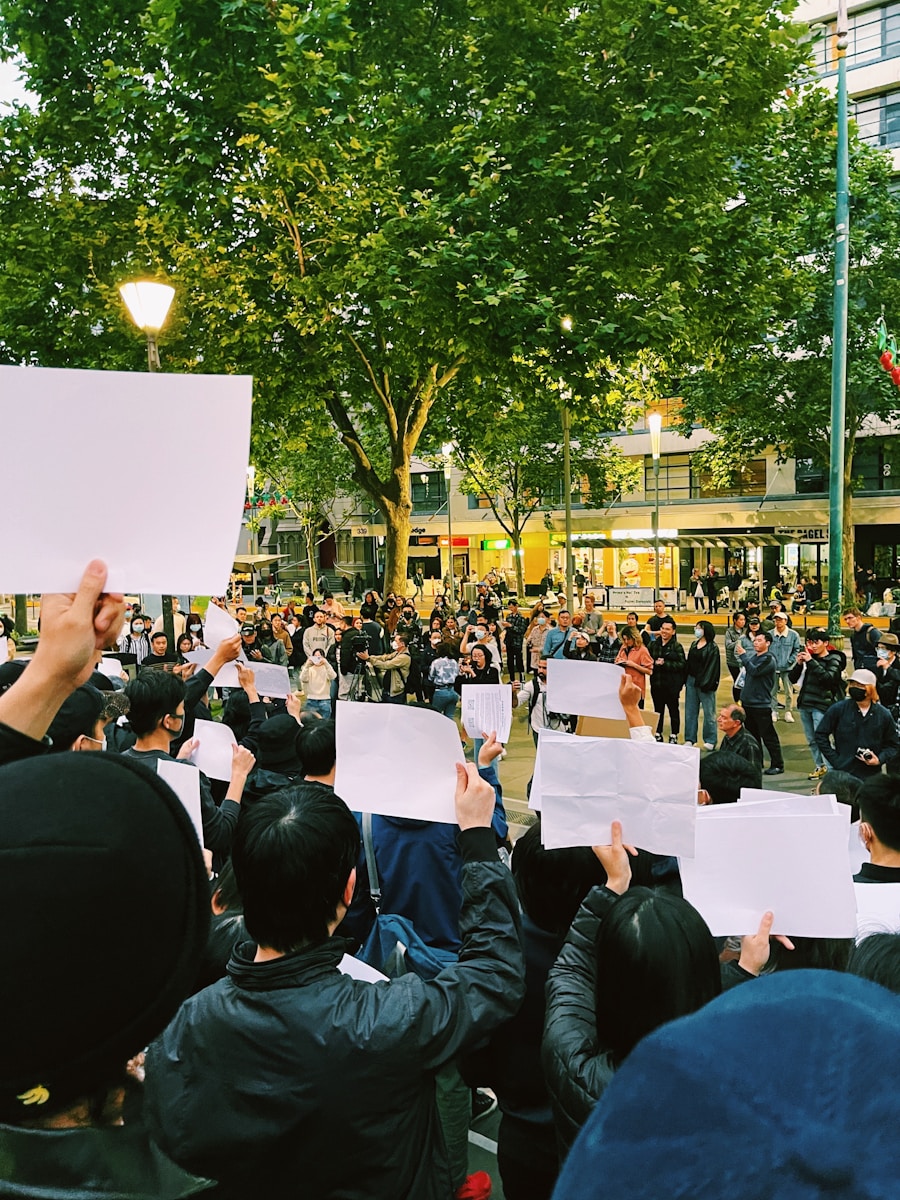
Some Chicago residents spoke positively about extra federal help. A few said they feel safer with more officers on the streets. The White House highlighted those voices in its statement. However, many locals and activists pushed back. They fear a federal takeover could lead to militarized policing. They also worry about potential civil rights abuses. Community groups held protests to demand local control over public safety. Moreover, city officials said they already invest in crime prevention programs.
Political Feud Over Federal Takeover
The takeover talk fed a larger feud between Trump and Illinois leaders. Trump labeled Gov. JB Pritzker “probably the worst governor in the country.” In response, Pritzker called Trump a “wannabe dictator.” Reed joined the critics, saying Trump’s approach shown “corrosive impact.” This battle plays out alongside national debates on federal power limits. Some conservatives applaud strong federal action against crime. Yet many Democrats warn against bypassing local democracy. They view the takeover plan as a political stunt rather than a solution.
What Comes Next for Chicago?
Chicago leaders now face a choice. They can accept federal officers on their streets. Or they can challenge Trump’s plan in court. Several civil rights groups promise legal action if a takeover moves forward. Meanwhile, the city’s police and community programs continue their work. Analysts say crime fell in several Chicago neighborhoods this year. Therefore, opponents argue a federal takeover is unnecessary. At the same time, advocates for more policing say extra officers could target dangerous gangs. The debate over crime data and federal power will likely stretch into the fall. Ultimately, residents, city officials, and federal leaders will shape Chicago’s path forward.
Frequently Asked Questions
What exactly is a federal takeover?
A federal takeover means sending national agents and troops to help or replace local police. It also shifts legal power from city leaders to federal officials.
Why does Kasim Reed dispute Trump’s claims?
Reed says the FBI already tracks crime numbers for Chicago. He questions why Trump trusts his own data if it seems inflated.
How have Chicago residents reacted to the idea?
Some residents support extra officers for safety. Others fear a militarized police presence and want local control.
Could legal action stop a federal takeover?
Yes, civil rights groups and city officials could file lawsuits. They might argue that a federal takeover violates local rights.