

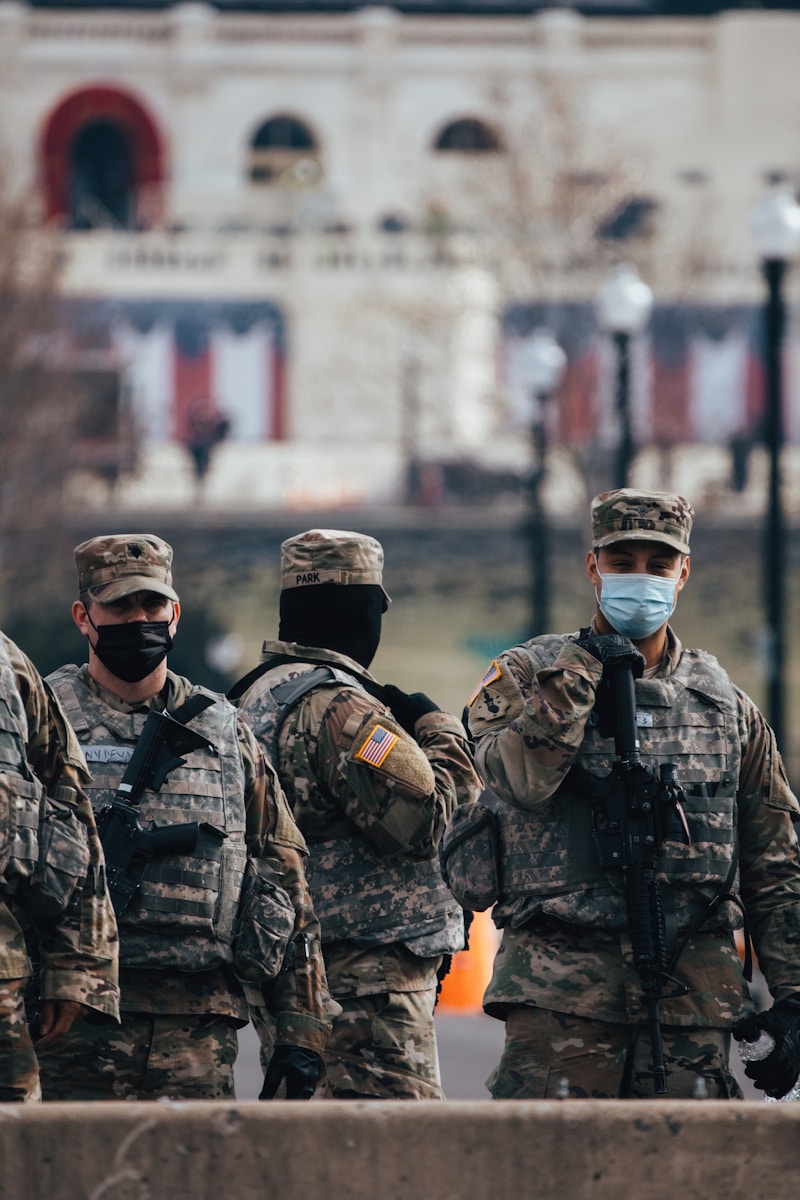

Key Takeaways:
- Gov. Wes Moore says the National Guard in D.C. picks up trash, not backs up police.
- He argues Guard members lack proper city policing training.
- Moore urges more funding for local law enforcement and community groups.
- He highlights the million-dollar daily cost of National Guard deployments.
- The governor wants real crime solutions, not just Guard showpieces.
National Guard Deployment Sparks Debate
Maryland’s governor, Wes Moore, recently spoke out about using the National Guard in Washington, D.C. During a TV interview, he made clear his doubts. He said these troops are not trained like city police. Instead, they end up cleaning up trash. As a result, he called the mission unserious.
Moore also pointed out that the President’s budget cuts funds for FBI and ATF. Those agencies have real training for tough city crimes. Meanwhile, the Guard troops handle tasks far below their skill level. Therefore, the governor wonders whether this plan helps at all.
National Guard Training vs. Policing Needs
The National Guard trains to respond to large scale threats like natural disasters or war. However, city policing requires different skills. Local officers learn community rules and laws. They go through special courses on arrests and evidence. They also build trust with neighbors over months and years.
By contrast, Guard units spend most of their time on drills for battle or emergency rescue. They do not arrest suspects in traffic stops or investigate robberies. Consequently, Moore says asking them to back up police makes little sense. He adds that local cops and federal agents have the right tools. Cutting their budgets hurts the whole effort.
What Could Work Better Than the Guard?
Moore did not just criticize. He offered a plan for real change. First, he wants to restore cuts to the FBI and ATF budgets. In addition, he seeks more money for city police training programs. He believes well-equipped officers can reduce crime faster and safer.
Moreover, the governor supports community groups and youth centers. He says early support can steer teens away from crime. For example, after-school programs and job training can make a big difference. Investing in these areas can prevent violence before it starts. In his view, this approach costs less and works better over time.
The Real Cost of Guard Missions
Deploying the National Guard to a city costs over a million dollars a day. That sum covers soldier pay, housing, food and equipment. Yet, if they only pick up trash, taxpayers may ask why. Moore pointed out that money could instead fund local police and support groups.
Even so, some leaders cite crime drop numbers in parts of D.C. They claim carjackings fell by 87 percent and robberies by half. However, Moore argues these figures came before Guard troops arrived. He says local strategies led to those gains, not outside forces.
Furthermore, sending Guard units repeatedly drains state budgets. This practice leaves less money for roads, schools and health care. Therefore, Moore urges a serious talk on true needs. He stands ready to discuss solutions that save lives and money.
Leadership Choices in Crime Fighting
Effective crime control needs more than uniforms. It requires local insight and ongoing training. When leaders involve neighborhood voices, they build trust. In turn, citizens report crimes and work with police. This cooperation often leads to more cases solved.
By contrast, a National Guard presence can feel like an occupation. Soldiers may seem foreign to city life. Residents might avoid them rather than ask for help. Thus, community policing stays essential. That means officers ride in patrol cars and learn block names. They join sports leagues and attend school events.
Moore’s call reflects this idea. He wants to shift focus from a show of force to building relationships. In fact, many studies show crime falls more with strong community ties than with extra troops.
A Path Forward for Safer Streets
So what could really help Washington, D.C. and other cities? Here are key steps:
• Restore funding for federal crime agencies. Allow the FBI and ATF to hire more agents. Ensure they have modern equipment and training.
• Increase city police budgets. Offer better pay and ongoing education. Reward good officers for community work.
• Support neighborhood groups. Fund after-school programs, job centers, and mental health services. Engage youth before trouble starts.
• Build joint patrols. Pair federal agents with local officers for tough cases. Let each use their unique skills.
Together, these steps can cut crime at the root. Moreover, they cost less than long Guard deployments. In the end, a balanced strategy blends force, skills and community care.
A Serious Conversation on Crime
Governor Moore says he wants a frank talk with the President. He will ask: How can money go further? How can agencies work together? More importantly, how can we earn public trust? He believes honest answers will lead to safer streets.
Additionally, he stresses that politics should not drive crime policy. Citizens need real solutions today, not photo-ops. As Moore said, “Asking me to deploy my National Guard people who are not trained for city policing is not serious.” He welcomes ideas, but facts and training must lead the way.
In short, the National Guard can help in true emergencies. However, ongoing crime control relies on experts and communities. By focusing resources wisely, leaders can turn the tide on violence. That way, every neighborhood feels secure and every dollar works harder.
Frequently Asked Questions
What does the National Guard usually do?
The National Guard handles state emergencies like natural disasters. They also support wartime missions overseas. They do not specialize in city crime control.
Why did Governor Moore criticize the Guard deployment?
He said Guard troops lack proper training for city policing. Instead, they picked up trash in Washington, D.C. He called the plan expensive and ineffective.
Could local police handle the extra work?
Yes. Local officers and federal agents already have the needed skills. Adding funds for their training and pay can boost their efforts.
What alternatives did Moore suggest?
He wants to restore funding for the FBI and ATF. He also called for more city police support and investment in community programs. These steps aim to prevent crime at its source.