


Key Takeaways:
• Kristi Noem said Los Angeles “wouldn’t be standing” without the National Guard
• Noem praised President Trump for sending federal forces to quell riots
• Critics argue Guard deployments sparked more violence in LA
• Social media users slammed Noem’s comments as out of touch
National Guard Claim Sparks Debate
During a recent interview, Homeland Security Secretary Kristi Noem said Los Angeles “wouldn’t be standing” if the National Guard hadn’t arrived. She praised the president’s decision to send federal officers into the city. Her statement angered many who saw the deployments as a cause of more unrest. Now, people across the country are asking whether the Guard truly kept LA safe or made things worse.
What Noem Said in the Interview
On a Sunday talk show, the host asked if President Trump might send troops to Chicago next. Noem replied that such decisions remain the president’s choice. Then she claimed that, without federal help, “that city would have burned down.” She argued that local leaders failed to control riots and violence downtown. Noem said the National Guard and other officers were key to holding the peace.
Public Backlash and Social Media Reactions
Almost immediately, listeners took to social media to challenge Noem’s view. One LA resident wrote that the Guard’s presence actually triggered clashes and made riots worse. Another commenter called her claim “stupid” and blamed federal agents for starting fires. Critics noted that National Guard troops faced equipment shortages and confusion over their roles. They pointed out that local police and community groups were already working to calm protests.
Protests and the National Guard’s Arrival
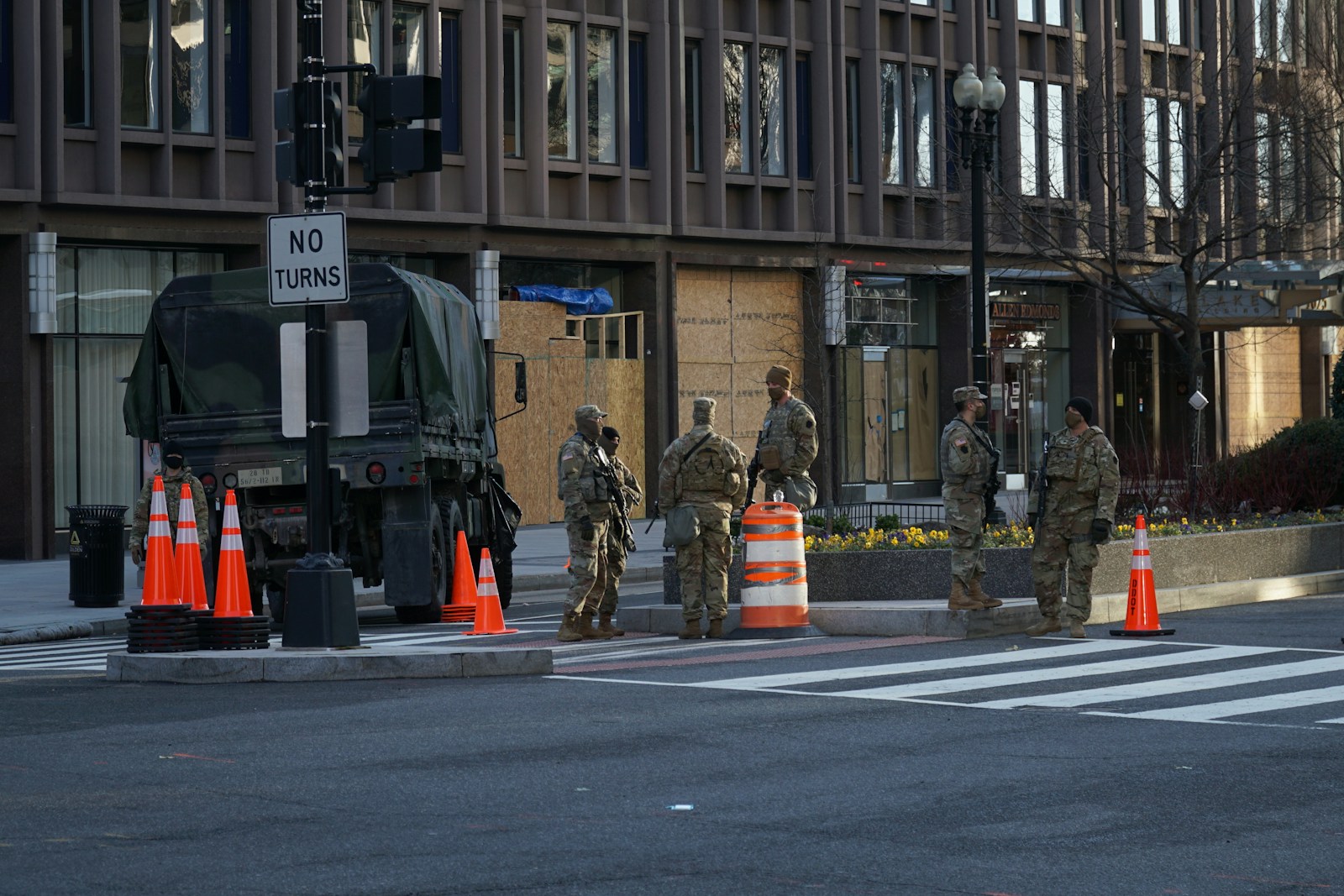
When protests erupted in LA, local law enforcement led initial responses. Officers faced crowds demanding justice and police reforms. Then, the National Guard received orders to deploy. Within hours, dozens of military vehicles rolled into key intersections. Troops helped set up checkpoints and guard federal buildings. In some areas, they patrolled with police officers. Yet, the sudden shift in tactics alarmed some residents.
Did the National Guard Ease Tensions?
Supporters of the Guard say their visible presence stopped more destructive acts. They point to fewer looting reports after federal forces arrived. They also say the Guard helped protect historic landmarks. Moreover, federal officers removed barricades that blocked emergency routes. They argue these actions prevented fires and saved homes.
However, many disagree. They claim that soldiers in combat gear and armed vehicles only heightened anger. Some protesters felt threatened and pushed back harder. For example, a peaceful march in downtown turned tense when Guard troops advanced. Video clips show heated exchanges between protesters and troops. These clips went viral, adding fuel to the debate.
Local Leaders Share Their Views
The mayor and governor have both weighed in. They said they requested extra support for specific federal buildings, not an overall military force. They stressed that community policing could handle most protests. The mayor noted that dialogue with local activists did more to calm crowds than armed deployments. Meanwhile, the governor called for better coordination between state and federal agencies.
Understanding the National Guard’s Role
The National Guard normally activates to help in natural disasters, like wildfires. They offer logistical support, medical aid, and crowd control assistance. In this case, the Guard fell under federal command. That means they could perform law enforcement duties beyond usual missions. This shift raised questions about military forces policing American streets.
Why the Debate Matters
People worry about setting a precedent for using troops against civilians. They fear future protests might see rapid military responses. Others see the Guard as a safety net when violence erupts. Both views hinge on whether armed forces can protect without intimidating. In Los Angeles, the tension between security and civil rights remains clear.
Moving Forward After the Controversy
The clash over Noem’s comments shows deep divides. Community leaders are calling for after-action reviews of protest responses. They want clear rules on when and how the National Guard can step in. In addition, groups are urging the government to invest more in local crisis training. They believe well-prepared police and community teams can reduce the need for military help.
Ultimately, the question stays: Did the National Guard save LA, or did it spark more conflict? The answer depends on whom you ask. As both sides plan future actions, America watches to see if federal troops will again patrol city streets.
Frequently Asked Questions
How long can the National Guard stay in a city after deployment?
The Guard’s deployment length depends on the mission’s scope. Federal orders set specific start and end dates. State or local requests can also extend their stay.
Can National Guard troops make arrests during protests?
Yes, under federal activation, they can perform law enforcement duties. However, rules govern when and how they may detain individuals. Proper training and legal oversight must guide their actions.
What triggers a federal decision to send the National Guard?
The president or defense secretary may deploy the Guard when states request help. They look at threats to federal property or large-scale unrest that exceeds local control.
Have National Guard deployments reduced violence in other U.S. cities?
Results vary by location. In some cases, Guard presence helped restore order. In others, tension grew when troops replaced local officers. Community context and deployment strategy play significant roles.