


Key Takeaways:
- South Dakota Governor turned DHS Secretary Kristi Noem publicly criticized CBS.
- Noem claimed CBS edited out her warnings about Kilmar Abrego Garcia.
- She labeled Garcia an MS-13 gang member, though courts disagree.
- The dispute highlights debates over media bias and migrant policy.
- It ties into the Trump administration’s push to accelerate deportations.
Introduction
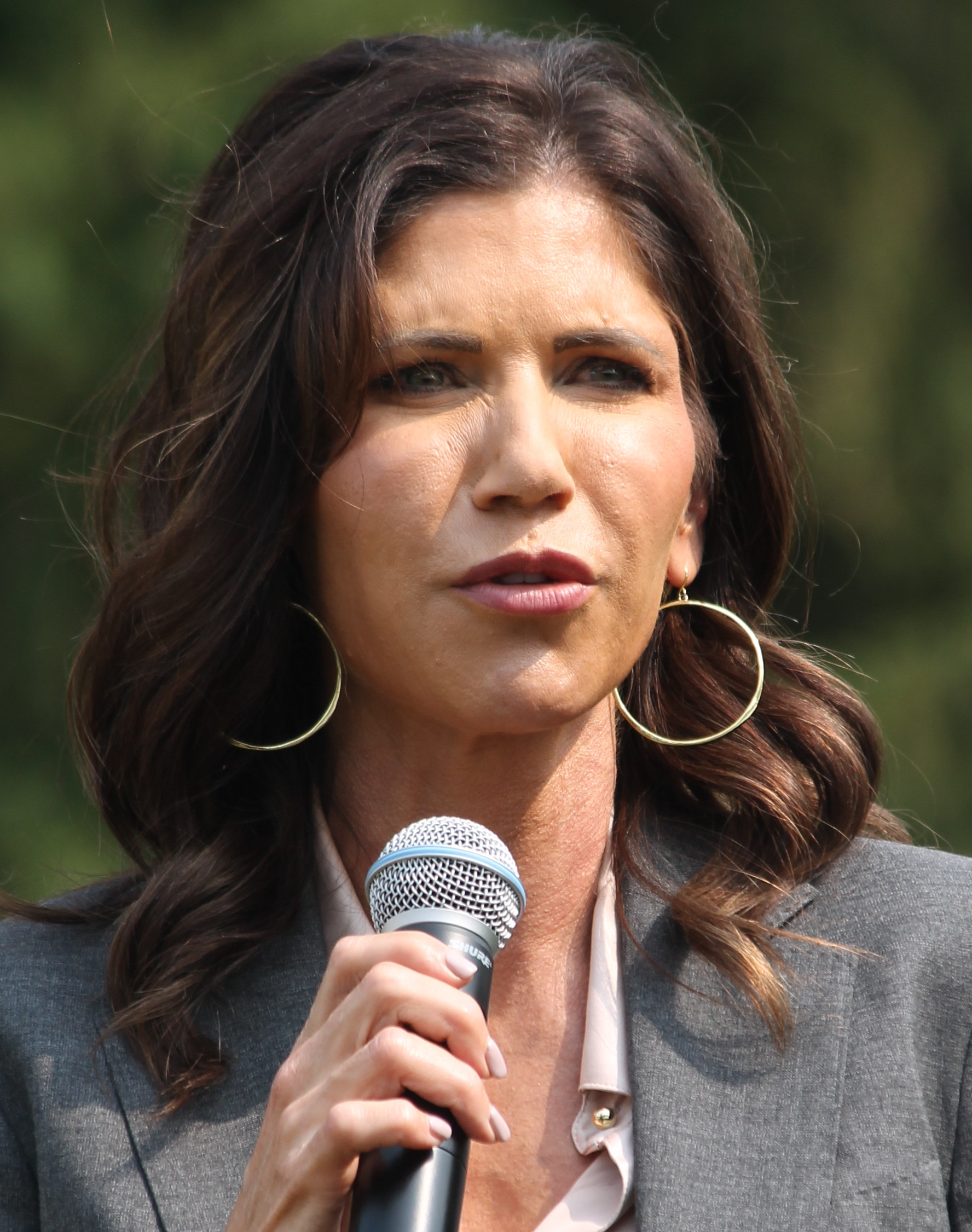
Kristi Noem sharply criticized her recent appearance on Face the Nation. She said CBS cut out her strongest comments about a high-profile migrant. As a result, Noem accused the network of hiding important facts. This Noem CBS interview dispute now fuels a wider clash over media fairness.
What Happened During the Noem CBS Interview?
On Sunday morning, Noem sat down with host Ed O’Keefe. She planned to discuss President Trump’s immigration agenda. Instead, she left upset and took to social media. She wrote that CBS “shamefully edited” her remarks. Moreover, she insisted the network tried to whitewash her warnings about Kilmar Abrego Garcia. She urged followers to watch the uncut segment. Thus, she vowed to expose what she saw as censorship.
In her post, Noem claimed Garcia poses “a threat to American public safety.” However, she repeated that he belongs to MS-13, a claim disputed by court filings. Because of these legal disputes, her accusation raised eyebrows. Meanwhile, CBS has not publicly detailed its editing choices. Therefore, viewers remain unsure which lines the network dropped.
Why the Noem CBS Interview Sparked Outrage
Noem’s reaction comes amid a heated debate over migrants’ rights. The Trump administration seeks to deport thousands like Garcia quickly. Yet courts argue migrants deserve a fair chance to defend themselves. As a result, many deportation orders face legal delays. Consequently, Noem’s claims about Garcia drew intense pushback.
Furthermore, President Trump has accused big networks of bias for months. He has blamed ABC and CBS for manipulating footage against him. In fact, this year both networks settled lawsuits for thirty-one million dollars. These settlements fueled claims that major outlets edit footage unfairly. Therefore, Noem’s attack fits into a larger narrative about media trust.
What Noem Said About Kilmar Abrego Garcia
Noem insisted that Garcia is a gang member tied to violent crimes. She listed offenses ranging from theft to assault. Yet court records show no clear proof of his MS-13 membership. Instead, judges have questioned whether the government offered solid evidence. However, Noem argued that the man’s record justifies swift removal. Then she blamed CBS for hiding that part of her argument. Thus, she framed herself as a voice for public safety.
Meanwhile, migrant advocates point out that labeling someone a gang member requires strict proof. They worry that false claims harm innocent people. Therefore, they hope for more careful reporting and fair trials. In their view, media should help uncover the truth rather than erase uncomfortable details.
How Media Bias Shapes Public Debate
This clash highlights how editing choices can sway viewers. When networks remove key quotes, they shape the final message. As a result, audiences may miss crucial context. Moreover, public trust falls when viewers spot potential manipulation. Therefore, transparency about edits matters now more than ever.
In this case, Noem used social media to push back against a major network. She directly challenged CBS’s credibility among her followers. Likewise, she tapped into broader calls for accountability. Consequently, the debate extends beyond one interview. It asks how news outlets balance fairness with editorial control.
What Comes Next
Both sides now face tough questions. Will CBS release the uncut footage? Can Noem prove that key statements disappeared? Meanwhile, viewers wait to see if either party leaks the raw tape. If CBS shares the full segment, the public can judge for itself. If not, critics may assume the network altered the message.
Moreover, the outcome may shape future interviews with high-profile figures. Guests might record their own video as a safeguard. Networks, in turn, may face pressure to show full conversations online. As a result, this dispute could lead to more openness in political coverage.
Conclusion
The Noem CBS interview dust-up reveals deep tensions between politicians and the press. It shows how a few clipped seconds can trigger headlines nationwide. Moreover, it underscores the delicate balance between editing and accuracy. As this story unfolds, everyone will watch closely. After all, the way we see news depends on how it reaches us.
Frequently Asked Questions
Why did Kristi Noem call out CBS?
She believes the network cut out her strongest comments about a migrant’s alleged gang ties. She says this editing hid important warnings she wanted to share.
What did Noem say about Kilmar Abrego Garcia?
Noem claimed he is an MS-13 gang member with a violent record. Courts have questioned the evidence and slowed his deportation.
How did CBS respond to her accusation?
So far, CBS has not publicly detailed which parts it removed. The network has not released an unedited version of the interview.
What could this mean for future interviews?
Guests may record backup video to prove what they said. News outlets might face new calls for full transparency on air.