


Key Takeaways
- Former president Donald Trump claimed he can “do whatever he wants as president.”
- The Supreme Court’s secret “shadow docket” has mostly sided with his emergency appeals.
- Climate and health protections are being cut, risking thousands of lives.
- Federal agencies like FEMA, EPA, and CDC face deep staffing and budget cuts.
- Catholic justices on the Supreme Court face criticism for ignoring a growing death toll.
Trump’s Power Push Explained
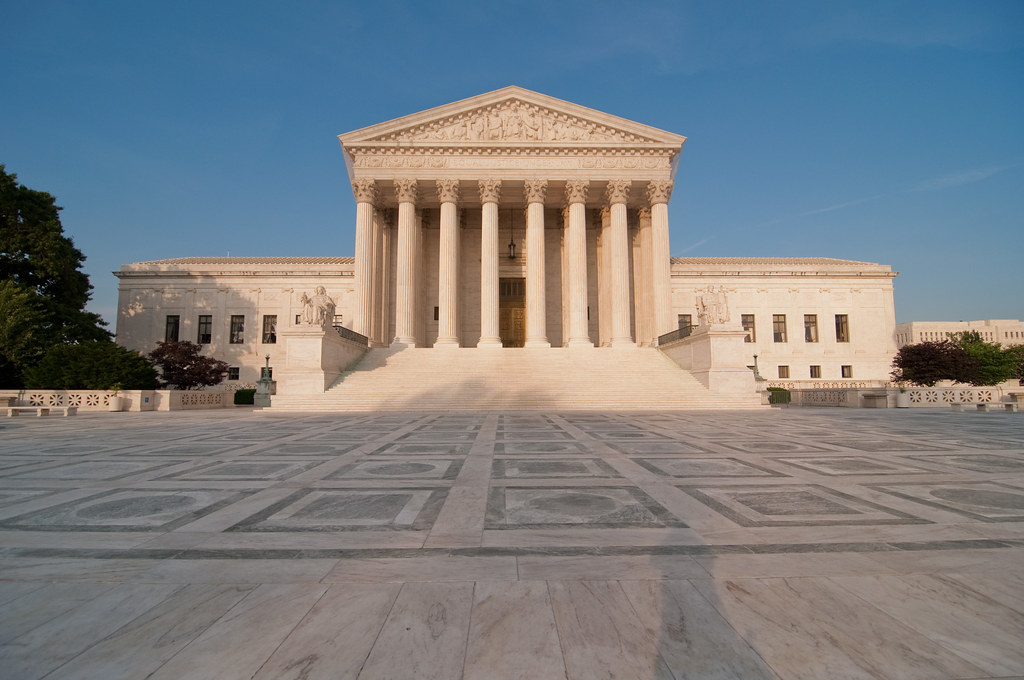
Donald Trump recently hosted a three-and-a-half-hour televised “cabinet meeting,” where he boasted he could “do whatever he wants as president.” He even suggested that Americans might welcome a dictator. Meanwhile, the Supreme Court’s conservative majority has quietly approved 19 of his administration’s emergency appeals on its so-called shadow docket. This process omits detailed legal reasoning or precedent, making it easier for Trump’s agenda to sail through.
The court’s Republican majority aims to shrink the administrative state. They believe private companies should run most public services, from disaster relief to health programs. In their view, government rules slow down business and hurt “common men.” However, critics warn this plan will protect wealthy interests and leave most people vulnerable.
Supreme Court and Trump Power
Several justices on the court hold a laissez-faire view of capitalism. Instead of supporting science and public welfare, they often side with businesses that resist regulation. They argue that courts should not get in the way of markets. As a result, rules on clean air, water, workplace safety, and fair pay face repeal.
Moreover, the Supreme Court’s new rulings allow agencies to lose power quickly. For example, the court recently ruled against the National Institutes of Health. By a narrow 5-4 vote, it let NIH cut $783 million in grants simply because those projects linked to diversity initiatives. Justice Ketanji Brown Jackson called it “Calvinball jurisprudence”—a game with no fixed rules except that this administration always wins.
The Shadow Docket Effect
The shadow docket is an informal process where the court issues rulings without full briefings or oral arguments. It speeds up decisions but hides legal logic. Since Trump left office, the court still uses it to back policies that align with his goals. As a result, rules meant to protect people from unsafe products or pollution face sudden reversal.
Transitioning power away from regulators puts lives at risk. Regulatory bodies like the Environmental Protection Agency, the Centers for Disease Control, and the Federal Emergency Management Agency exist to protect us. Yet, each now sees its authority diminished.
Climate Threat Ignored
In the Southwest, nighttime temperatures have risen nearly 4.5 degrees since 1970. Heat-related deaths in the US have doubled over that period. Scientists agree rising greenhouse gas levels drive this trend. Yet, the Trump administration has proposed scrapping key EPA rules, including the Endangerment Finding that justifies regulating carbon emissions.
This plan would repeal pollution limits on power plants and vehicles. The administration claims these rules cost $1 trillion and save $54 billion each year. However, it ignores the growing toll of heat-related illness, which kills tens of thousands annually. It also overlooks the $38 trillion in projected damage from severe weather by 2049.
Likewise, FEMA now faces drastic cuts. More than 180 FEMA employees wrote Congress to warn that shifting disaster response to states will hamper relief. They recalled Hurricane Katrina’s 1,833 deaths and noted that many who signed the letter were put on leave for speaking out. As hurricanes, floods, wildfires, and tornadoes intensify, a weakened FEMA means more communities left on their own.
Health Science Under Attack
Anti-science views in government extend beyond climate. Under Health Secretary Robert F. Kennedy Jr., agencies have questioned vaccine data and public health measures. This politicization led the CDC’s director, Susan Monarez, to refuse orders to fire top experts. She accused Kennedy of using public health for politics. The White House then fired her, and several senior scientists resigned in protest.
Earlier, Kennedy limited COVID vaccine approvals to only high-risk groups. Experts warn this will lead to more preventable deaths. The US already lost over 1.2 million people to COVID, the deadliest disaster in our history. If a new, more dangerous strain emerges, the outcome could be catastrophic.
Catholic Justices Face a Choice
Six justices in the Republican majority identify as Catholic. Yet their decisions often clash with the church’s teachings on protecting the vulnerable. Father Michael Pfleger urged them to face “the violence coming from the White House,” including cuts to Medicaid and refusal to ban assault weapons. He called on them to look in the mirror and acknowledge their role in life-and-death decisions.
By rolling back environmental and health protections, the court allows policies that cost lives. In effect, it supports a harsh legal view: nearly all government programs should give way to private profit. As a result, families lose disaster aid, patients face unsafe conditions, and communities suffer greater harm from extreme weather.
The Road Ahead
The dismantling of the administrative state did not start with Trump but accelerated under him. If courts keep endorsing this agenda, federal checks and balances will weaken further. Without strong regulations and expert agencies, crises—from pandemics to wildfires—will become deadlier.
Citizens can still act. They can vote for leaders who value science and public welfare. They can support watchdog groups that challenge extreme rulings. Also, they can contact their representatives and demand clarity on the shadow docket.
Ultimately, the fight over Trump power and the administrative state is about our future. Do we want a system that favors profit over people? Or do we insist on rules that protect health, safety, and our planet?
Frequently Asked Questions
What is the shadow docket?
The shadow docket is a fast-track process where the Supreme Court issues rulings without full arguments or detailed explanations. It lets the court make quick decisions but hides legal reasoning.
Why are climate rules important?
Climate rules limit greenhouse gas emissions from power plants and vehicles. They help slow global warming, reduce extreme weather, and protect public health.
How does cutting FEMA affect communities?
Reducing FEMA’s budget and staff makes it harder to respond to hurricanes, floods, and wildfires. States may lack the resources to help victims quickly, leading to more suffering and deaths.
How can the public push back?
People can vote, support watchdog groups, and contact elected officials. They can also raise awareness about court decisions and the importance of science-based policies.