


Key Takeaways
- Over 1,000 demonstrations erupted nationwide demanding a living wage
- Workers Over Billionaires protests targeted wealth concentration and boosted worker power
- Unions and groups like One Fair Wage called for at least $30 an hour pay
- Senator Sanders and DOCS war room joined rallies to expose billionaire influence
- The campaign aims to shift priorities to public services, fair pay, and economic justice
Why the Fight for a Living Wage Matters
Workers have lost past wage gains to inflation, rising rents, and cuts to social programs. Therefore, millions struggle to cover basic needs. A recent report finds 67 million adults earn less than $25 an hour. In New York, 41 percent of workers fall below that line. That stark reality drives the demand for a living wage.
However, the federal minimum wage remains at $7.25 per hour. Meanwhile, corporate profits and billionaire fortunes keep growing. Thus, activists insist on raising pay to at least $30 per hour. They say this level would help families meet daily expenses and recover lost ground.
Moreover, many believe fair pay is a basic right. They argue public schools, hospitals, and other services need more funding. Instead, hedge funds and wealthy donors reap huge rewards. Consequently, the living wage fight has become a symbol of broader economic justice.
How Protests Push for a Living Wage
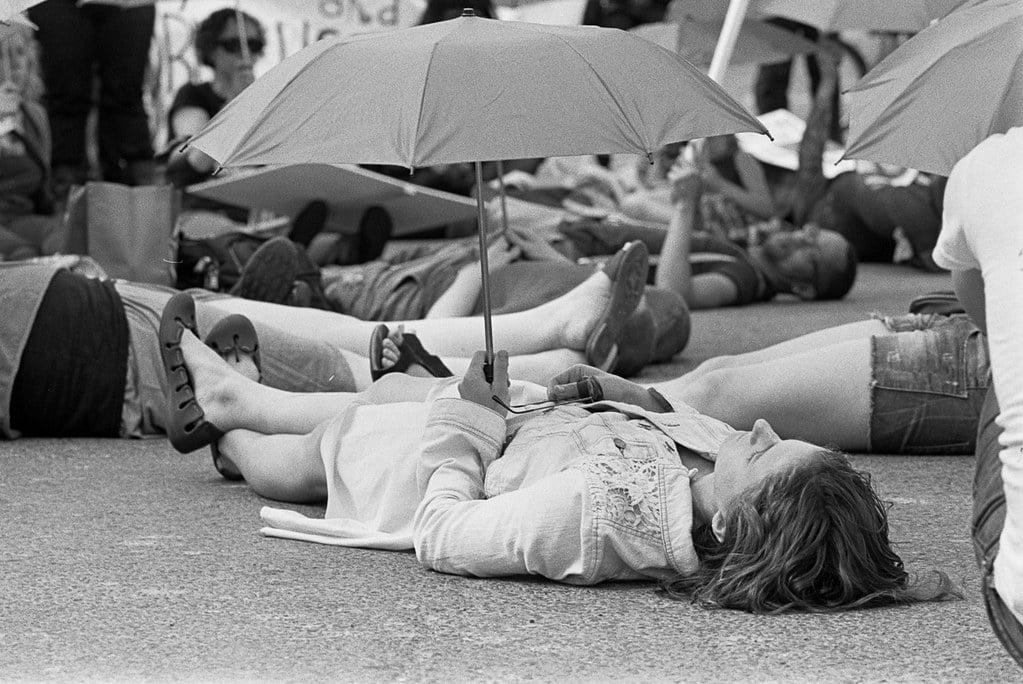
On Labor Day, more than 1,000 protests took place in big cities and small towns. The May Day Strong Coalition led the Workers Over Billionaires movement. Its members include the AFL-CIO, American Federation of Teachers, and National Union of Healthcare Workers. Advocacy groups like One Fair Wage and Public Citizen joined the effort.
In New York City, demonstrators gathered outside Trump Tower on Fifth Avenue. They demanded a $30-an-hour living wage for all workers. One Fair Wage even staged a “Restaurant in the Street” to highlight real job conditions. At that event, the group released a new report showing nearly half of U.S. workers earn under $25 an hour.
Meanwhile, in Concord, New Hampshire, Senator Bernie Sanders spoke at a rally. He vowed to build an economy and government that work for everyone, not just the richest 1 percent. Other rallies popped up in rural towns where workers often feel left out of national debates.
In addition, activists launched the Department of Class Solidarity, or DOCS. This permanent war room tracks nearly 1,000 U.S. billionaires, mapping their wealth, holdings, and political donations. By exposing how oligarchs shape policies, organizers hope to weaken billionaire power.
On Long Island’s East End, DOCS led a “Hamptons Billionaire Shutdown.” Protesters marched on Billionaires Lane, pointing to mansions owned by hedge fund managers and private equity tycoons. They demanded an end to greed that hurts everyday families.
What Comes Next in the Living Wage Campaign
Despite massive turnout, the living wage fight is only beginning. Organizers plan more local and state actions to raise wage floors and curtail billionaire influence. They seek policies that favor affordable housing, strong public schools, and universal healthcare.
Unions will keep pushing for collective bargaining rights. Grassroots groups will pressure lawmakers to eliminate tax breaks for the superrich. They argue workers deserve a fair share of the nation’s prosperity.
Moreover, the next wave of protests may include strikes, sit-ins, and workplace actions. Labor leaders stress that every worker gain in U.S. history came through relentless struggle. If the movement grows, it could reshape political priorities in upcoming elections.
Frequently Asked Questions
What is a living wage?
A living wage covers basic needs like housing, food, and healthcare. It usually exceeds the federal minimum wage to reflect actual living costs.
Why choose Labor Day for these protests?
Labor Day honors working families and the labor movement. Protesting on this holiday highlights the ongoing struggle for fair pay and worker rights.
How can protests lead to real change?
Large, visible demonstrations can shift public opinion and pressure elected officials to raise wage floors and regulate extreme wealth.
Who leads the living wage campaign?
The effort brings together labor unions, teachers, healthcare workers, and advocacy groups such as One Fair Wage, Our Revolution, and Public Citizen.