


Key takeaways:
- Global matcha demand has strained tea supply chains.
- Matcha blends Japanese ritual with modern cafe culture.
- Early Western visitors found matcha too bitter.
- Social media made matcha famous for its bright green look.
- Most people enjoy matcha lattes, not the full tea ceremony.
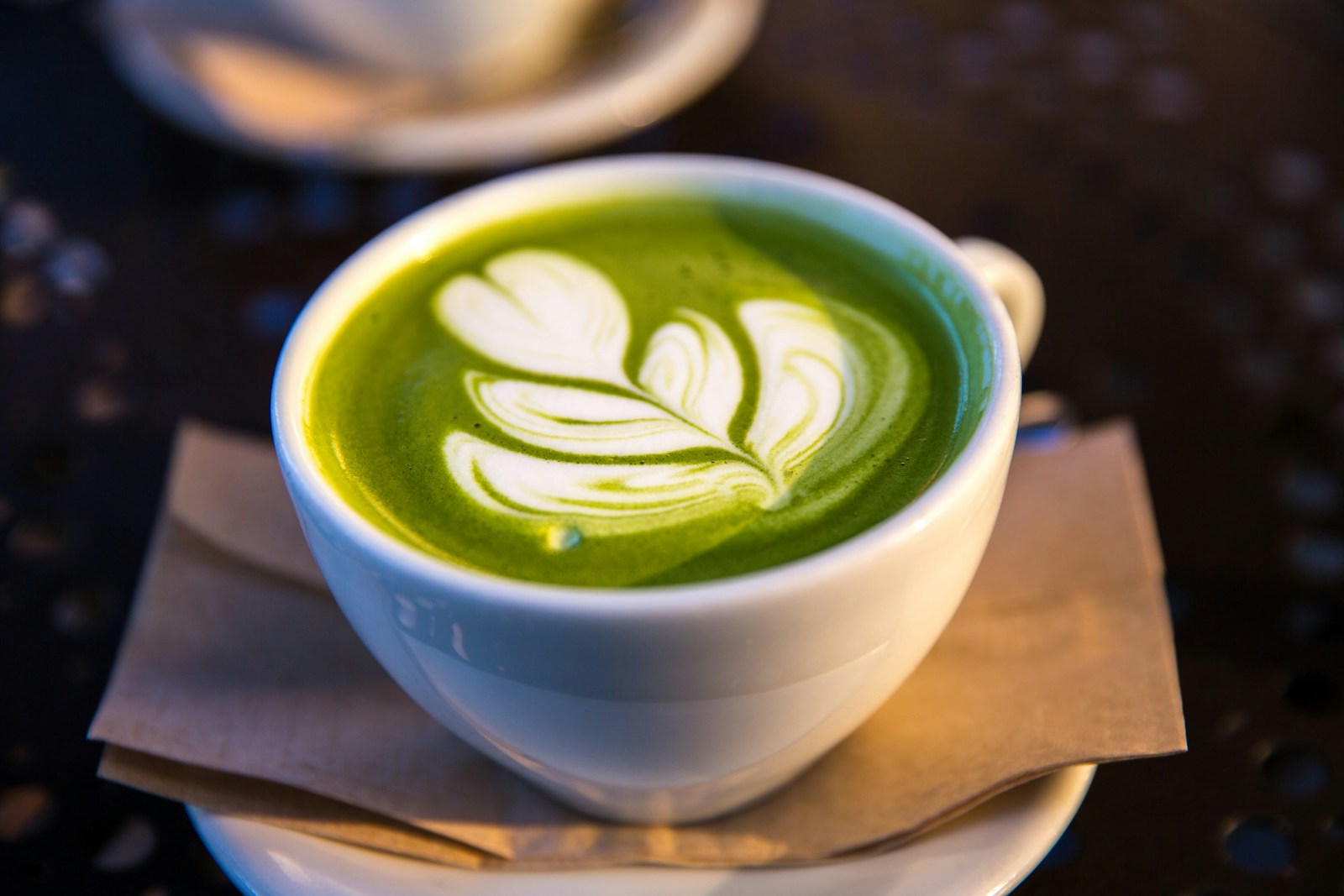
Matcha has grown from a secret green powder to a global craze. Cafes in Tokyo, Stockholm and Los Angeles now serve matcha drinks. Moreover, big chains like Starbucks and Dunkin’ added matcha menus in recent years. Therefore, matcha is no longer just a Japanese tradition. It is now a cafe staple around the world.
Matcha History and Global Spread
Matcha first appeared in China more than 700 years ago. Monks brought it to Japan around 1250. There, matcha became central to the tea ceremony called chanoyu. During the 1500s, chanoyu shaped matcha into a formal ritual.
In the late 1800s, world’s fairs in Europe and America gave Japan a stage. Japanese exhibitors poured matcha and showed the tea ceremony. Attendees saw elegant bowls and bamboo ladles. They also tasted powdered green tea. As a result, Westerners first glimpsed matcha at these big events.
Matcha Skepticism and Early Reviews
Most early visitors did not enjoy matcha. They found its flavor very bitter. A Canadian traveler in 1895 said it tasted like pea soup. An American reporter in 1904 warned it “is not pleasant to the palate of the uninitiated.” Even though some praised its fragrance, they still advised sugar or cream. Thus, matcha struggled in the West for decades.
Matcha and the Tea Ceremony
Chanoyu means “hot water for tea,” but fans call it the tea ceremony. First, hosts learn to handle tea tools with care. They practice with bamboo whisks and cast-iron kettles. Then guests learn proper bowing and cup handling. A full ceremony can last three to four hours. It often includes a small meal, sweet treats, and two types of matcha. One is thick matcha, called koicha, and the other is thin matcha, called usucha.
A few Westerners studied chanoyu while living in Japan. A Swedish woman published a book on the ritual in 1911. Three American sisters trained at the Urasenke School of Tea in Kyoto back in 1905. They dressed in kimonos and learned every step of the ceremony. Still, most people outside Japan never experienced chanoyu with matcha.
Matcha Trend in Modern Cafes
Today, matcha hardly needs chanoyu to sell. Cafes mix matcha with milk, sugar, flavor syrups and foam. They serve matcha lattes alongside soft drinks and pastries. Social media sites like Instagram and TikTok made matcha famous. Its neon green color looks great in photos. Moreover, health blogs say matcha boosts energy and metabolism. Because of that, matcha joined viral foods like kombucha and acai bowls.
In Los Angeles, cafes in the hip Los Feliz neighborhood whip matcha by hand. Some use bamboo whisks to nod at tradition. In Stockholm, minimalist bars serve matcha in sleek glass cups. In Melbourne, baristas top matcha drinks with floral foams. These cafes borrow the calm feel of chanoyu but skip the long ceremony.
Why Matcha Continues to Thrive
Matcha’s rise shows how food trends evolve. First, a drink gains fame through tradition. Then, it adapts to new tastes and styles. Today’s matcha lovers may skip the formal tea room. Yet they still enjoy the bright color and smooth texture. Furthermore, matcha’s link to ancient wisdom interests many. People view it as more than just a drink. They see it as a bridge between old rituals and modern life.
Meanwhile, matcha farms in Japan struggle to keep up with demand. Supply chains feel pressure as cafes open worldwide. Some farmers now focus on higher quality matcha for specialty markets. Others try new growing methods to boost yield. As matcha expands, its story also grows. It mixes history, culture and innovation in every cup.
Frequently Asked Questions
What makes matcha different from other green teas?
Matcha uses powdered tea leaves whisked into hot water. Other green teas steep leaves and then remove them.
Why is matcha so bright green?
Farmers shade tea plants before harvest. This boosts chlorophyll levels. More chlorophyll makes the leaves dark green and lively.
Can I make matcha at home without special tools?
Yes. You can whisk matcha with a small kitchen whisk or even a fork. However, a bamboo whisk gives the best froth.
Does matcha offer real health benefits?
Matcha has antioxidants and caffeine. It may boost focus and metabolism. However, it should be part of a balanced diet.