


Key Takeaways
- President Trump laughed off “Trump death rumors” after hearing he was said to be dead.
- Rumors sparked when he skipped public events for two days.
- He stayed active on Truth Social and at his golf club.
- Trump called the story fake news and warned about media credibility.
- The episode highlights how quickly “Trump death rumors” can spread online.
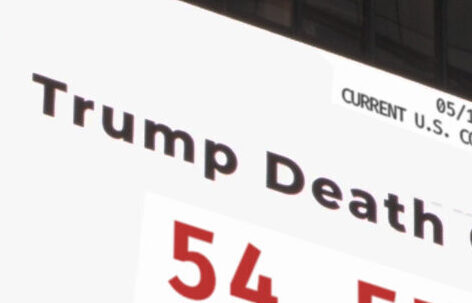
President Trump faced a viral trend this weekend when people started saying he had died. At a White House event on Tuesday afternoon, Fox News correspondent Peter Doocy asked about “Trump death rumors.” Doocy noted that his death story had nearly 1.3 million user engagements by Saturday morning. Trump sounded surprised. He said he had not seen the rumors and called them fake news.
Why Did Trump Death Rumors Start?
A few days ago, Trump did not hold his usual news conferences. As a result, some social media users began asking, “Where is he?” They posted videos and memes about his supposed death. Therefore, by Saturday, “Trump death rumors” went viral. Anyone who missed his two-day break felt it was suspicious. In reality, the president was busy. He held private events, posted on social media, and visited his golf club.
Peter Doocy asked how Trump found out about “Trump death rumors.” Trump replied that he got reports from his team. He said he had done multiple news conferences the week before. Then he took a short rest. Yet that rest seemed to fuel the online buzz. Thus, the presidency once again became headline news for unexpected reasons.
How Trump Reacted to the Rumors
Trump remained calm when responding to the question. He noted, “I was very active over the weekend.” He mentioned his Truth Social posts. He described them as “long truths, pretty poignant truths.” Moreover, he pointed out that he went out to see people at his club. Thus, the president made clear he was alive and well.
Later, Trump called the rumor “pretty serious” and labeled it fake news. He said, “That’s why the media has so little credibility.” Then he echoed the concern that people wondered if he was okay. Indeed, “Trump death rumors” show how fast false stories can affect trust. Trump added that he was healthy and active, and that the rumors were completely untrue.
The Role of Truth Social in Stopping Rumors
Trump turned to his own platform to fight back. He posted several messages on Truth Social. These posts offered proof that he was alive. He shared photos and updates about his weekend activities. In doing so, he aimed to correct the record. However, many users had already seen the viral posts about his demise.
Truth Social now serves as a key tool for the former president. It allows him to bypass the traditional press. Consequently, he can directly address false stories like the “Trump death rumors.” By using his own channel, he reduces delay and distortion. Yet, the episode shows that even immediate responses can struggle to keep up with viral chatter.
Impact of Trump Death Rumors on Media Trust
“Trump death rumors” did more than spark jokes. They also highlighted why many people doubt the media. Trump underlined that fake stories hurt credibility. Indeed, polls show that news audiences trust mainstream outlets less than before. When rumors spread unchecked, it fuels that distrust.
Moreover, the rumors reveal the power of social media. Anyone can post unverified claims. Then millions can share them in hours. Even major news outlets sometimes report on trending topics before confirming facts. This creates a cycle in which rumors get repeated and believed. Therefore, the public grows wary of all news, real and fake.
How Social Media Trends Amplify Rumors
In this case, “Trump death rumors” began on platforms like Twitter and TikTok. Users posted short videos claiming the president had passed away. Some even added stock footage to make their claims seem real. As a result, the rumor picked up speed. By the time the White House knew, headlines had already appeared worldwide.
Transitioning from one platform to another, the claims jumped to Instagram and Facebook. People tagged friends, joked in comments, and shared memes. This cross-platform spread shows how social media can amplify a story. Even when the story is false, it gains momentum. Thus, debunking efforts can feel like a race against the clock.
Lessons for Reporters and Readers
First, reporters must verify surprising claims before publishing. In this story, no credible source suggested Trump had died. Yet hype and clicks drove some outlets to cover the rumor. Therefore, journalists should rely on official statements first. Then they can report responsibly.
Second, readers should pause before sharing shocking news. If something seems odd, check trusted sources. Look for confirmation from the White House press office or major wire services. By doing so, you can avoid fueling “Trump death rumors” or similar hoaxes.
Finally, social media users should pause before reacting. Take a minute to think: Does this make sense? Who is the source? Is there proof? Simple checks can slow the spread of false stories. In this way, we all play a role in maintaining honest news.
What This Means for Future News Cycles
The “Trump death rumors” episode will not be the last viral hoax. As long as social media rewards sensational content, false claims will appear. Therefore, both news outlets and the public must adapt. Outlets need faster fact-checking teams. Readers must learn to spot red flags. Together, we can slow the spread of harmful rumors.
In addition, public figures like Trump may create new channels to control their message. Truth Social is one example. Others may follow. This shift changes how news travels. It could reduce the power of traditional media, for better or worse.
Transitioning from old models to new ones will take time. Yet one thing is clear: anytime a high-profile person appears absent, rumors will erupt. We saw it this weekend with “Trump death rumors.” Next time, it might involve someone else. The cycle repeats, unless we all learn to pause and verify.
FAQs
How did the “Trump death rumors” begin?
They started after the president skipped public events for two days. Social media users then posted unverified claims that he had died.
Did Trump address the rumors himself?
Yes. He responded at a White House event and on his Truth Social platform. He called the story fake news and said he was very active over the weekend.
Why are “Trump death rumors” important?
They show how quickly false news can spread online and damage trust in media. The episode highlights the need for careful fact-checking.
How can readers avoid spreading similar rumors?
Pause before sharing shocking news. Check official sources or reputable news outlets. Verify the claim before reposting.