


Key Takeaways:
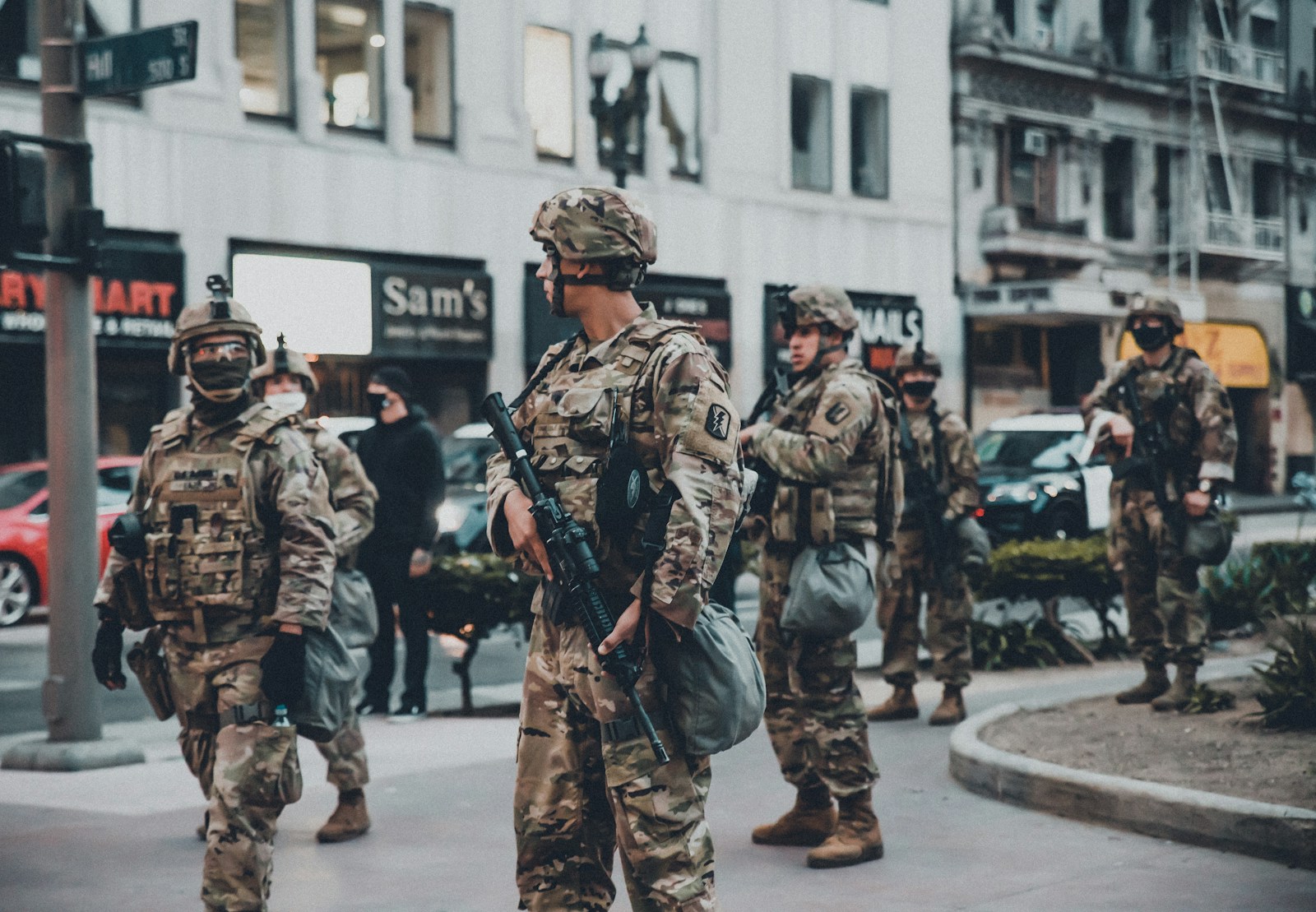
- President Trump vowed to send federal troops into Chicago amid his anti-immigration push.
- Rep. Delia Ramirez led Democrats in condemning the plan at a press conference.
- Data shows Chicago’s violent crime, homicides, and shootings have dropped significantly.
- Lawmakers promise legal challenges, new bills, and grassroots action to stop troop deployments.
Will Federal Troops Storm Chicago Streets?
President Trump announced plans to deploy federal troops to Chicago this week. His move follows similar actions in Washington, D.C., and Los Angeles. Critics say he is using fear of crime to distract from budget cuts. Meanwhile, Democratic leaders vow to fight the deployment through courts, new laws, and community organizing.
Why Trump Targets Chicago
Chicago is the nation’s third-largest city and a frequent target of President Trump’s crime warnings. He claimed violent crime is surging, though data tells a different story. His administration also plans to send 200 Homeland Security agents and use a nearby naval base. Trump frames these steps as part of a broader anti-immigration crackdown.
However, a recent report found that 65 percent of those arrested by Immigration and Customs Enforcement have no criminal convictions. Moreover, 93 percent face no violent crime charges. Critics argue this undermines Trump’s claim that his agents focus on dangerous offenders.
Democrats Fight Against Federal Troops Plan
At a press conference, Rep. Delia Ramirez rallied lawmakers to condemn the use of federal troops in American cities. She represents parts of Chicago and spoke passionately about funding issues.
“We have less than 30 days to pass a budget,” she said. “Instead of sending federal troops and terrorizing our neighborhoods, the president should fund our schools, healthcare, and safety rooted in opportunity.”
Rep. Jonathan Jackson joined her warning that Mr. Trump is signaling a dangerous threat: the possibility of turning federal troops on U.S. citizens. Meanwhile, Rep. Eleanor Holmes Norton introduced bills to give Washington, D.C., full control over its National Guard and police. She also renewed her call for D.C. statehood, arguing that only statehood can protect residents from such federal overreach.
Crime Data vs Troop Threats
Despite the president’s warnings, crime in Chicago has actually fallen. Violent crime rates dropped 22 percent this year. Homicides are down more than 33 percent, and shootings plunged by 38 percent. These improvements result from community programs and local law enforcement partnerships.
In contrast, Trump often cites isolated incidents to build a narrative of chaos. However, experts stress that slashing social services often leads to more crime, not less. With Democrats pointing to rising poverty rates and health care gaps, they argue that real safety comes from investing in people, not from the threat of armed forces.
Past Deployments and Legal Rulings
This is not the first time Mr. Trump sent troops into U.S. cities. In June, he federalized the Washington, D.C., police force and deployed the National Guard. He claimed he wanted to clear “slums” and uproot homelessness. Reports soon emerged of illegal searches and harsh charges against local residents.
In Los Angeles, the president sent Marines and Guard members months ago. A federal judge later ruled that use of federal troops there was illegal. Still, about 300 Guard soldiers remain in L.A. to support ICE actions and manage protests.
Legal challenges delayed deployments in some cities. Now, Democrats fear Mr. Trump will ignore court orders and continue sending federal troops to intimidate peaceful communities.
What’s Next for Chicago and Other Cities?
Democrats are gearing up on several fronts. First, they promise to file lawsuits. They will argue that only governors can deploy National Guard troops under state control. Second, they will press Congress to block funding for unauthorized federal deployments.
On the ground, community groups plan protests and public forums. They aim to shine a spotlight on real safety needs—like affordable housing, youth programs, and food assistance. Organizers believe that showing solidarity across cities could build enough pressure to halt any federal troop action.
Moreover, progressive lawmakers want broader reform. They push for bills that protect cities from federal interference. Some propose limiting presidential authority to deploy troops domestically unless Congress declares an emergency. Others seek stronger oversight of ICE operations and more protections for immigrants without criminal records.
Ultimately, the fight over federal troops in Chicago reflects a deeper debate. Is public safety best served by armed officers patrolling U.S. streets? Or should communities invest in jobs, education, and health care for long-term peace? For now, Democrats vow to do everything they can—legally and politically—to stop what they see as an authoritarian threat.
Frequently Asked Questions
What do Chicago leaders want instead of federal troops?
They call for more funding for social services, schools, housing, and healthcare to boost safety.
How have crime rates in Chicago changed this year?
Violent crime fell by 22 percent, homicides dropped 33 percent, and shootings declined by 38 percent.
Can the president deploy federal troops in any city?
The president can order some federal agents, but sending National Guard troops usually requires state approval or an emergency declaration.
What steps are Democrats taking to block the deployment?
They plan lawsuits, new bills to limit presidential power, congressional budget actions, and community protests.