

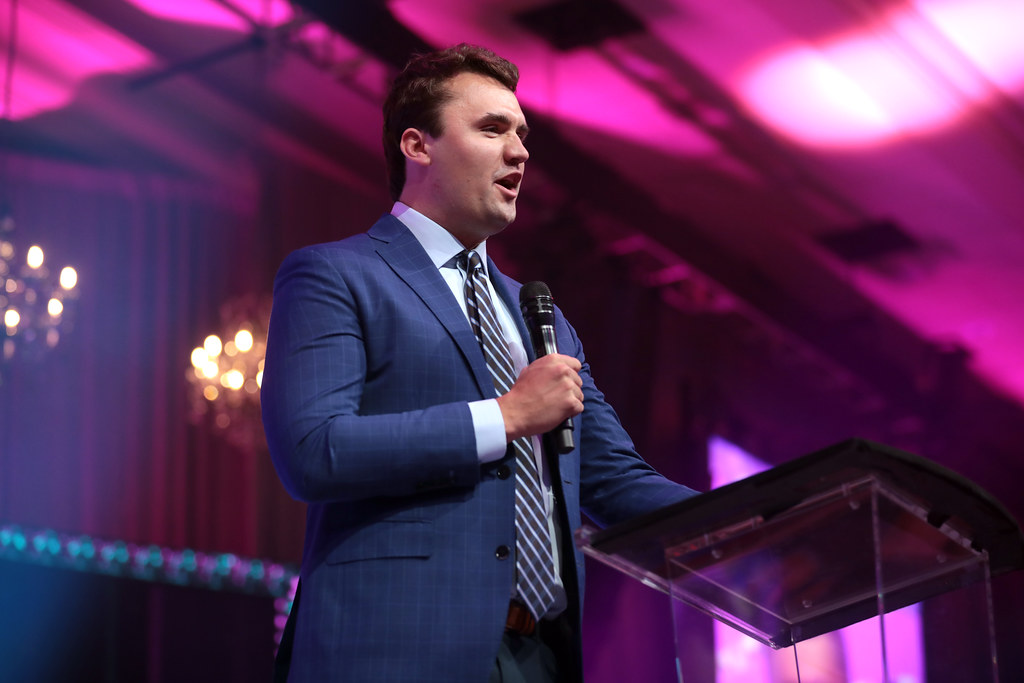

Key Takeaways
- The killing of Charles James Kirk shows how harsh talk can turn deadly.
- Kirk spread racist and hateful messages as if they were fair debates.
- Experts warn heated language often fuels political violence.
- Leaders now call for calmer, more respectful discussions.
How Political Violence Shaped the Tragedy
The sad death of Charles James Kirk is a warning. He was a 31-year-old speaker known for harsh words. He often used racist and hateful talk. Some call his style “political violence in speech.” This means his words attacked whole groups of people. Sadly, those attacks may have found real violence in return.
Many believe our political language is too hot. They say cruel words break down trust. Then conflict grows. In fact, experts link such talk to real political violence. They worry the next attack may be worse.
The Rise of Heated Political Talk
First, Kirk used strong language in online debates. Then he claimed Black pilots were bad at flying. Next, he blamed voting fraud on one side. He even denied the Civil Rights Act helped people of color. Through these claims, he pushed a racist agenda.
Moreover, Kirk argued against LGBTQ+ rights and abortion. He dismissed key civil rights leaders. He mixed his faith with politics to gain trust. As a result, many young listeners saw hate as normal.
Therefore, his style showed how hate can hide in “rational” debate. In fact, this tactic has deep roots. Long ago, leaders used coded words to push racism. Kirk repackaged those old ideas for today’s stage.
Racist Rhetoric and Hate Speech
Kirk’s speeches often included hints of a “white nation.” This echoed a conspiracy called the Great Replacement. It claims one race is being forced out by another. Scholars call this idea dangerous. It offers a reason to scare people.
Consequently, such talk is a form of political violence. Even if words do not hurt bodies, they do harm minds. They make people feel unsafe. They invite some to act out with real weapons.
Also, Kirk spread false claims about vaccines and elections. These lies broke trust in public health and democracy. When people lose trust, they may turn to violence. In fact, many attacks in recent years had similar roots.
The Impact on Real Safety
After years of heated talk, Kirk was killed. His death shocked many on both sides. Some blamed “the radical left.” Others called for calm. Yet few looked at how his own words invited hate in return.
Now we see the sad cycle. Harsh words lead to more harsh words. Then threats and real attacks follow. This is the path from online insults to gunshots in the streets.
Furthermore, victims of hate speech often fear for their lives. Kirk targeted Black people, people of color, and LGBTQ+ folks. As a result, these communities felt more danger. They knew hateful language can turn violent.
Responses From Leaders
After the killing, political leaders spoke out. One former president ordered flags at half-mast. He urged people to lower the tone of debate. However, he also blamed the other side for stirring hate.
Faith leaders, like Rev. Graylan Scott Hagler, called out the role of hate speech. He said Kirk “twisted old racism into new forms of attack.” He warned that until we face this truth, more violence may come.
Meanwhile, some right-wing figures try to make Kirk a martyr. They claim he died for speaking the truth. Yet many see his words as the very kind of hate that kills.
Why Political Violence Matters Now
We live in a time when words carry power. Fast posts and tweets shape how we see others. Sadly, some use this power to spread hate. This makes “political violence” a modern threat.
If we ignore the link between speech and harm, we risk more tragedies. Instead, we must teach respect and listening. We need to challenge hate, not just condemn the shootings.
Moreover, it helps to recognize coded racism. When someone says one group “does not belong,” that is hate speech. We must speak out right away, before it leads to attack.
Finally, we all can make a change. We can choose calm words online. We can listen to others who feel hurt. Thus, we break the cycle of harsh talk.
Moving Beyond Harsh Talk
We may never agree on every issue. Yet we can agree that violence is wrong. We can refuse to use hate as a tool in debate. We can demand real facts, not wild claims.
By doing so, we protect our communities. We also honor those who lost their lives. No one should die because of cruel words.
In the end, the killing of Charles James Kirk should wake us up. It shows how “political violence” in speech can invite real death. Therefore, let us lower our voices. Let us build bridges, not walls.
Frequently Asked Questions
What exactly is political violence?
Political violence is harm that arises from extreme or hateful political speech. It includes threats, intimidation, and real attacks fueled by heated words.
How can we spot hate speech online?
Hate speech often blames a whole group for society’s problems. It uses insults, slurs, or lies about race, religion, or orientation. When you see this, call it out or report it.
Can harsh words really lead to real violence?
Yes. Experts say constant harsh talk can make people feel justified in attacking others. It creates an unsafe climate that can turn deadly.
What steps can we take to lower political violence?
We can use kind and honest words. We can fact-check claims before sharing them. Above all, we can listen to those who feel threatened and stand up for respect.