

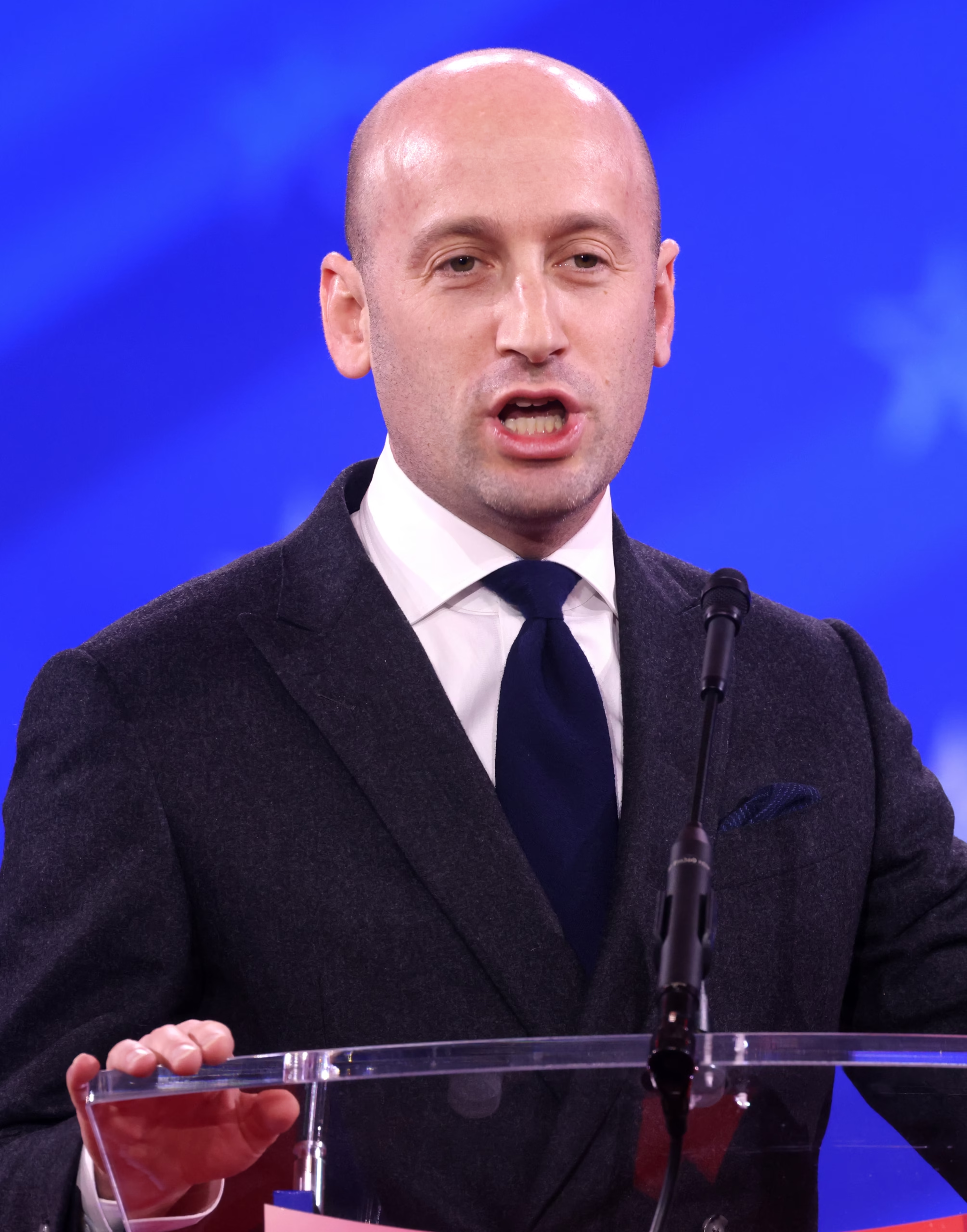

Key Takeaways:
- Stephen Miller earns a fierce reputation for harsh treatment of staff.
- Two officials say his extreme pressure made them cry at work.
- He yells, threatens people’s jobs, and uses name-calling in meetings.
- Colleagues whisper nicknames for him behind his back.
- His style may affect morale and the pace of policy work.
Who Is Stephen Miller?
Stephen Miller is the White House deputy chief of staff for policy. He joined senior leadership in 2017. He shapes immigration and domestic agenda items. Over time, he built a close bond with the president. Yet many colleagues find him hard to work with. His sharp focus on strict policies drives his intensity.
Why Is Stephen Miller Drawing Tears?
Reports say Stephen Miller’s behavior makes some people cry. Two federal officials who dealt with him speak out. They describe harassment that broke them down. He yells when data on immigrant arrests seems low. He mocks plans that slow domestic agenda progress. In addition, he threatens career damage if he doubts their loyalty.
How Stephen Miller Runs Meetings
First, he sets a tense tone in every session. For example, he shouts at staff over small details. Then, he calls them out by name in front of peers. He demands inflated numbers to show hardline results. Moreover, he pressures them to meet impossible goals. As a result, some staff work late to avoid his wrath.
His style feels like a nightmare to many. He micromanages even minor tasks. He insists on brutal enforcement policies at every turn. Meanwhile, colleagues whisper sarcastic nicknames about his paranoia. Even other Trump advisers find him “awkward,” the report says. However, the president tolerates his tone because they share core views.
The Effects on the White House Team
Low morale follows Stephen Miller’s harsh tactics. Some team members dread intra-agency talks. They fear public humiliation and job loss threats. They guard every word to avoid his fury. In fact, he often accuses them of stalling the agenda. Thus, collaboration suffers under his watch.
Furthermore, high stress can reduce creativity. Staff may hold back ideas rather than face his criticism. They hesitate to push back for fear of being called disloyal. As a result, policy work slows down. Deadlines slip when no one wants to speak up.
In response, some officials seek allies to buffer his attacks. They share notes and avoid solo presentations. They rehearse every line before showing him the plan. Yet even rehearsed work can draw his wrath if he senses weakness.
Reputation Built Since 2017
Since his early days in the Trump White House, Stephen Miller gained a fierce name. He backed hardline immigration rules and zero-tolerance policies. He often took public credit for aggressive memos and speeches. At Republican gatherings, he won praise from some for his loyalty. However, insiders also warned he would betray anyone to stay close to the president.
He crafted tough visitor limits at the border and strict visa rules. He believes harsh measures protect national security. Thus, he defends his style as necessary for policy success. Nevertheless, those on the receiving end see it as personal attacks.
How His Actions Shape Policy and Culture
Stephen Miller’s tactics go beyond harsh words. They set a tone for enforcement teams. Under his direction, agencies push for record deportation numbers. They seek to exceed targets to avoid his criticism. Moreover, they rush policy memos to meet his deadlines, sometimes sacrificing quality.
In turn, the White House sends mixed signals to career officials. On one hand, they hear that strict action is essential. On the other, they see that failure brings public shaming. Consequently, some seasoned civil servants avoid tough assignments. They fear becoming the next target of intense scrutiny.
Despite this, Miller’s allies argue his approach yields results. They point to new directives that tighten border control and change asylum rules. They say strong leadership demands tough talks and firm deadlines.
Broader Impact on Administration Stability
When staff work in fear, retention becomes a problem. Experienced officials may leave for calmer roles elsewhere. New hires arrive with caution, wondering how long they will last. In addition, outside experts may decline to join teams that center on harsh management.
Moreover, a culture of intimidation can spill into public communications. Officials might craft statements that avoid nuance and focus on hard numbers. They fear soft language will invite Miller’s wrath. Consequently, complex issues receive simpler, more extreme messaging.
Meanwhile, the administration risks appearing out of touch with internal struggles. As a result, public confidence could erode if chaos leaks out. It may also hinder the smooth rollout of major policy plans.
Possible Paths Forward
First, some suggest clear rules on respectful behavior in the West Wing. If every adviser faces the same standards, no one feels untouchable. Second, independent ombudsmen could help staff voice concerns without fear. Third, senior leaders might hold Miller accountable by balancing harsh demands with support.
However, any change depends on the president’s willingness to curb his top aide. So far, Mr. Trump has shown tolerance for Miller’s intensity. He even mocks the aide’s critics in private. Unless that attitude shifts, harsh tactics may continue.
Nevertheless, history shows internal culture can change. When staff speak up together, it often prompts leaders to rethink management. In addition, public exposure can pressure the administration to protect its reputation.
In summary, Stephen Miller’s intense style has made the workplace painful for some. Two officials cried under his pressure, according to reports. He uses name-calling, threats, and long hours to drive his agenda. His approach delivers strict policies but risks low morale and slow collaboration. Ultimately, the White House must weigh results against the human cost of fear.
Frequently Asked Questions
What led to the report on his behavior?
Several federal officials shared detailed accounts of harsh treatment. Their stories reached reporters who investigated the claims.
How does his style affect policy work?
Fear of harsh criticism can slow decision making. Staff may avoid sharing ideas that could improve plans.
Why does he hold so much power?
He aligns closely with the president’s views. His loyalty and policy wins keep him at the center of decisions.
Could the White House change its culture?
Yes. Clear conduct rules and safe feedback channels could limit harsh tactics. However, it needs top-level support to take effect.