

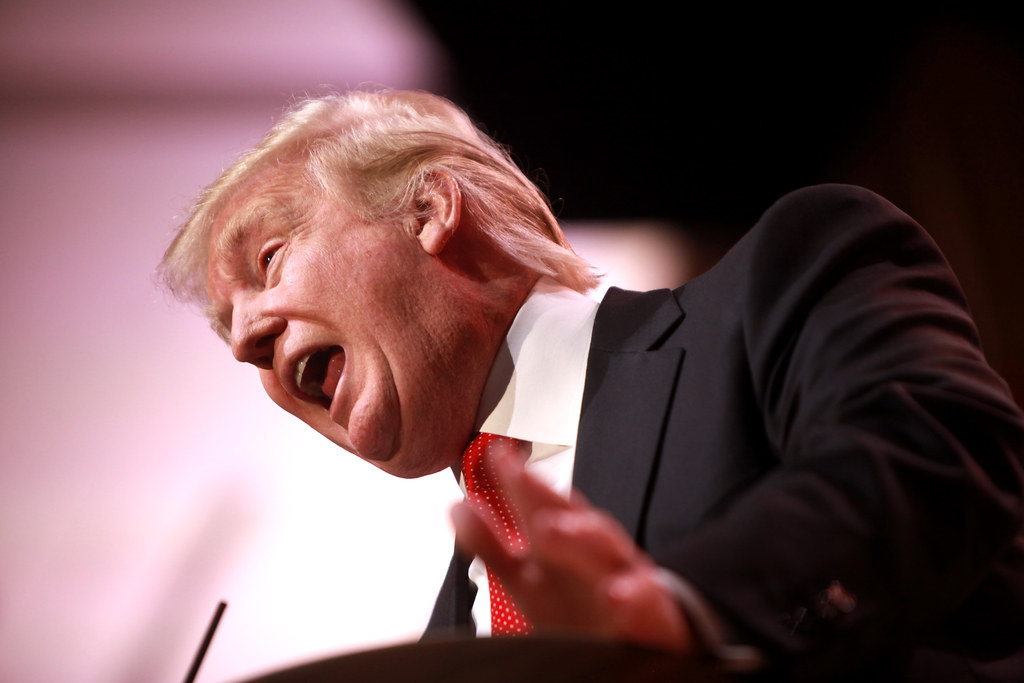

Key Takeaways:
- Donald Trump declined to meet with top Democrats about the federal government shutdown.
- Senator Chuck Schumer accused Trump of avoiding critical negotiations.
- Without a deal by September 30, parts of the federal government could shut down.
- The standoff reflects deep political divisions in Washington ahead of the deadline.
Trump Refuses to Join Shutdown Negotiations
With just weeks to go before a possible government shutdown, former President Donald Trump has taken a surprising step back from negotiations. On Tuesday, Trump made it clear that he does not plan to sit down with top congressional Democrats to discuss their demands to keep the government open.
His decision immediately drew fire from Senate Minority Leader Chuck Schumer. “He’s running away from the negotiating table before he even gets there,” Schumer said in frustration. Tensions are rising fast in Washington, and as the September 30 shutdown deadline closes in, things are only getting messier.
What Happens If the Government Shuts Down?
A government shutdown may sound technical, but it affects real people every day. If Congress doesn’t agree on funding by September 30, federal agencies will start closing. That means no paychecks for government workers, no national park visits, and delayed services like passport processing.
During shutdowns, government workers are often furloughed—sent home without pay. Essential employees, such as air traffic controllers and military personnel, have to work without knowing when they’ll get a paycheck. For millions of families, this creates serious financial stress.
Why Did Trump Walk Away?
Trump’s team says he sees no point in meeting unless Democrats are willing to compromise. He wants strict budget limits and less non-defense spending. Democrats, on the other hand, are pushing for continued funding for social programs like education, healthcare, and clean energy.
By walking away, Trump is betting that voters will blame Democrats for any shutdown. It’s a risky move, especially as election season heats up. Schumer, meanwhile, argues Trump is simply dodging responsibility at a moment when leadership is critical.
The Political Chess Game Behind the Shutdown
Shutdowns aren’t just about budgets—they’re political power plays. Each side uses the threat of a shutdown to pressure the other to give in. In this case, the conflict centers around how much to spend on programs that help everyday Americans versus defense, border security, and tax cuts.
Trump and many Republicans want tighter control on spending and oppose what they call “wasteful” programs. Democrats counter that the economy benefits when basic services are well-funded and accessible.
What Makes This Shutdown Battle Different?
One big twist in this shutdown showdown is Trump’s unique role. He’s not currently in office but still holds strong influence in the Republican Party. Several members of Congress see him as their leader, and his stance on refusing to negotiate could sway others to hold the line.
That’s making the situation even more complex. With Trump encouraging a hard stance, some Republicans may feel pressured to oppose bipartisan deals, even if they make sense for the country. Once again, Trump is shaping policy—without holding any official title.
What Are the Stakes for Everyday Americans?
A government shutdown doesn’t just hurt political reputations—it hurts people across the country. Here’s how it can impact daily life:
- National parks may close, ruining family travel plans.
- Social Security offices could see delays, affecting seniors.
- Food assistance programs might struggle to serve those in need.
- Healthcare systems tied to federal workers may face budget gaps.
These aren’t just numbers on a spreadsheet. They’re the services families depend on to stay healthy, safe, and financially secure. That’s why the government shutdown isn’t just a Washington story—it’s a national one.
How Can This Crisis Be Avoided?
The quickest way to stop a government shutdown is cooperation. Republicans and Democrats must agree on a short-term or full-year spending plan before the end of September. This usually happens through a deal that gives both sides something they want.
However, with Trump urging Republicans not to give in, that path just got a lot harder. Unless someone steps forward to lead the discussion, a shutdown is looking more and more likely.
What Do the American People Think?
Most Americans don’t like government shutdowns. They see them as signs of dysfunction and wish both parties would find common ground. In recent polls, over 60 percent of people said they want Congress to avoid another disruptive closure.
Despite that, political leaders often think about headlines, party loyalty, and upcoming elections. That can make compromise harder, even when the public clearly wants an end to the fighting.
Will Trump’s Decision Impact the 2024 Election?
Potentially, yes. How Trump handles major issues like the government shutdown could affect how voters see him. If the shutdown causes chaos or hardships, some might question his leadership style. On the other hand, his base may support his firm stance as a sign of strength and principle.
With primaries just months away, every move counts. Trump’s decision to skip negotiations may win him political points with hardliners—but at what cost to the nation?
Final Thoughts on the Government Shutdown Standoff
The clock is ticking, and a shutdown is no longer just a threat—it’s a looming reality. By stepping away from talks, Trump has increased the chances that the government will run out of money to operate. Democrats like Schumer are calling out the move, warning that Americans will pay the price.
Whether or not a deal gets done depends on how quickly both sides can agree to meet in the middle. Until then, federal workers, families, and businesses remain in an uncertain and stressful state—waiting to see what their leaders will do next.
FAQs
What is a government shutdown?
A government shutdown happens when Congress can’t agree on how to fund government programs. It causes many agencies to close temporarily and sends federal workers home without pay.
Why is September 30 such an important date?
September 30 is the end of the government’s financial year. If no new funding is agreed upon by then, the government must shut down until a budget or extension is passed.
How does a government shutdown affect me?
Shutdowns delay government services, pause national park access, stop pay for federal workers, and create stress for millions of families who rely on federal programs.
Can this situation still be fixed?
Yes, if Democrats and Republicans strike a deal before the deadline. But with political fights heating up and Trump refusing to engage, that’s looking harder every day.