


Key Takeaways
• SpaceX expansion plans up to 44 Starship launches a year at Cape Canaveral.
• Residents and environmental groups fear harm to turtles, manatees, and right whales.
• Each launch could use 400,000 gallons of water, straining local supplies.
• Beach closures may last 60 days or more, cutting public access.
• Experts propose using an alternate pad to reduce impacts and closures.
SpaceX expansion at Cape Canaveral
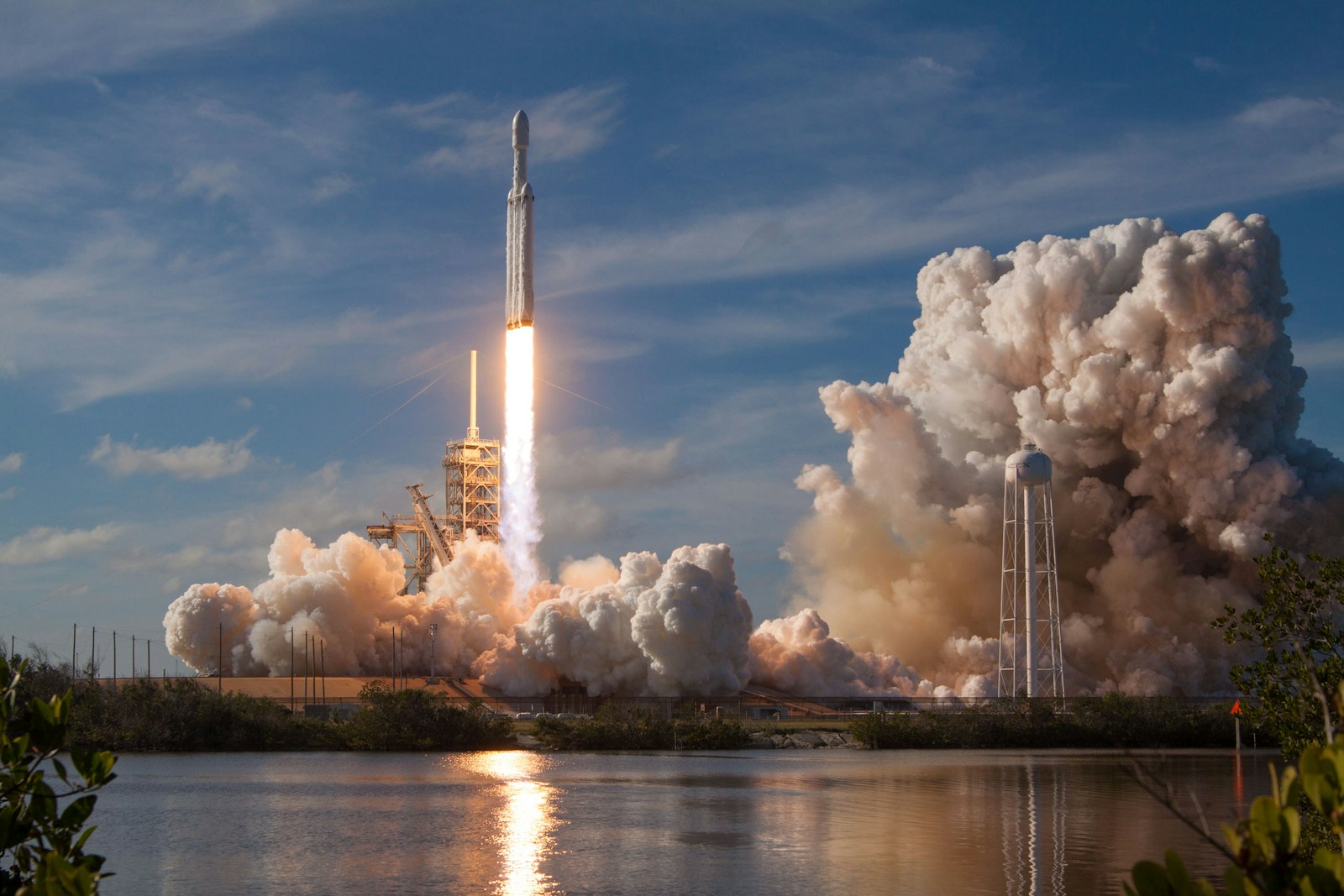
SpaceX wants to boost its rocket traffic at NASA’s Kennedy Space Center. It aims for up to 44 Starship-Super Heavy launches a year. The company also plans more rocket landings on nearby land. This SpaceX expansion has drawn strong opposition. Residents, local officials, and environmental groups worry about damage to wildlife and community life.
First, the loud blasts and sonic booms will shake homes up to 152 times a year. Second, every launch needs 400,000 gallons of water to cool equipment. Every landing needs 68,000 more gallons. All that water could total 50 million gallons a year. Yet the coastal area already struggles to meet basic water needs for people and businesses. Finally, SpaceX expansion means closing beaches and wildlife refuges for safety.
Effects of SpaceX expansion on wildlife and water
Environmentalists warn that SpaceX expansion will hurt nesting sea turtles. They fear rocket noise, bright lights, and human activity will stop turtles from digging nests. Manatees in the lagoon could suffer from water shifts. Endangered right whales migrate through nearby waters. Rocket sound waves may disrupt their communications and feeding.
Moreover, the Indian River Lagoon faces too much fresh water from rocket cooling systems. That extra fresh water can change the lagoon’s salty balance. Fish, seagrass beds, and other marine life need stable salt levels. Already, the lagoon has lost seagrass. Manatees, which eat seagrass, struggled to find food. Therefore, adding more fresh water could push this fragile habitat toward collapse.
SpaceX says it will treat and release water carefully. However, locals doubt those promises. In a comment letter, the Southeastern Fisheries Association warned of “clear and direct negative impact” on the estuary’s health. They worry about chemical runoff and pollution from rocket fuel.
Public access loss and community concerns
Cape Canaveral’s natural buffer includes parks, beaches, and a famous nude beach at Playalinda. Under the SpaceX plan, safety zones will close these areas for at least 60 days each year. That means no swimming, surfing, fishing, or camping. Even the naked public face shutdowns. Playalinda Beach is one of the few spots in the world where you can watch a rocket launch while sunbathing naked. Its closure angers both clothed and unclothed visitors.
Local fishermen already report space debris damaging their nets and boats. Road damage from heavy fuel trucks adds repair costs for the county. In Titusville, public buildings may need reinforcement to handle more vibration. These problems recall the old days when the space program grew fast and cheap. As one veteran said, “They built it quick and cheap.” Now the bill comes due.
Residents argue that SpaceX expansion turns Cape Canaveral into a private business park. They feel the public lands belong to everyone, not just the world’s richest man. Even county commissioners cite health and safety worries beyond wildlife harm. They cite noise, polluted air, and lost tourism revenue.
A history lesson on Cape Canaveral’s natural buffer
Cape Canaveral earned fame in the 1950s and 1960s. Its isolated location made it perfect for test rockets. The site sat on federal land already set aside by the Banana River Naval Air Station. During the moon race, Brevard County boomed from under 100,000 to over 150,000 people. After Apollo, workforces shrank and small towns withered.
Yet amid the boom and bust, officials preserved open space. In 1963, they created the Merritt Island National Wildlife Refuge. Its 140,000 acres support more endangered species than any other mainland refuge. Ten years later, they set aside 58,000 acres of Canaveral National Seashore. These lands protect dunes, marshes, coastal hammocks, and pine flatwoods. Together, they kept “Old Florida” alive even as rockets soared overhead.
SpaceX expansion threatens this legacy. Every launch or landing would force refuge closures for safety. That marks a stark shift from the quiet mix of nature and space history that locals cherish.
Finding a middle ground for SpaceX expansion
Some experts believe a compromise can protect nature and support launches. One idea is to use Launch Complex 37 exclusively for Starship flights. It sits ten miles south of the historic 39A pad. Moving operations there would cut beach closures to just a few days per year. That small shift could keep Playalinda mostly open.
Ken Kremer, a veteran space writer, calls this a “reasonable compromise.” He notes that Complex 37 has enough infrastructure to handle big rockets. Moreover, it lies farther from dense wildlife areas and public beaches. This option won’t solve all water and pollution issues. Yet it would ease the local pain of too many closures, noise, and restricted access.
Communities also ask for stricter water treatment and transparent impact reports. They want binding limits on water use and pollution. They urge SpaceX to invest in local water projects and road repairs. With clear rules and local benefits, community leaders may gain more trust.
Conclusion
Cape Canaveral’s natural buffer has withstood decades of rocket noise, pollution, and change. Yet the proposed SpaceX expansion pushes the limits. Residents fear lost wildlife, strained water supplies, loud sonic booms, and closed beaches. To protect both space launches and Old Florida, leaders must find fair middle ground. Using an alternate launch pad, enforcing strict water rules, and limiting closures could help. If not, the Cape’s fragile ecosystems and public lands may finally crack under the pressure.
FAQs
What is the main goal of SpaceX expansion?
SpaceX aims to carry out up to 44 Starship-Super Heavy launches yearly from Kennedy Space Center. They also plan more rocket landings nearby.
How will SpaceX expansion affect sea turtles?
Rocket noise, lights, and human activity can scare nesting turtles from beaches. This could lower turtle hatchling numbers over time.
Why is water use such a concern in Brevard County?
Every launch needs 400,000 gallons of fresh water, and each landing needs 68,000 gallons. The county already struggles to supply homes and businesses.
Can Cape Canaveral still support launches without harming the environment?
Experts suggest using Launch Complex 37 instead of 39A. This move would cut beach closures and lessen impacts on wildlife areas.
Who decides whether SpaceX expansion moves forward?
The Federal Aviation Administration reviews the plan, holds public comment periods, and issues a final environmental impact statement.