


Key Takeaways:
• Israel launched strikes across Gaza after Hamas hit its troops.
• Israel paused all aid shipments to Gaza until further notice.
• The fragile Gaza ceasefire shows new signs of breaking.
• Civilians face growing fear over safety and supplies.
• World leaders urge both sides to stick to agreements.
• The next days will be critical for lasting peace.
Gaza ceasefire
For just over a week, fighters in Gaza and Israel held back from major attacks. However, fresh clashes now strain that calm. Israeli jets hit sites across Gaza. In turn, Hamas fighters shot at Israeli soldiers near the fence. Moreover, Israel warned that it would halt aid shipments into Gaza. Without food, water, and medicine, civilians fear the worst. Special correspondent Leila Molana-Allen reports from Tel Aviv on these key developments.
Gaza ceasefire Faces Fresh Strains
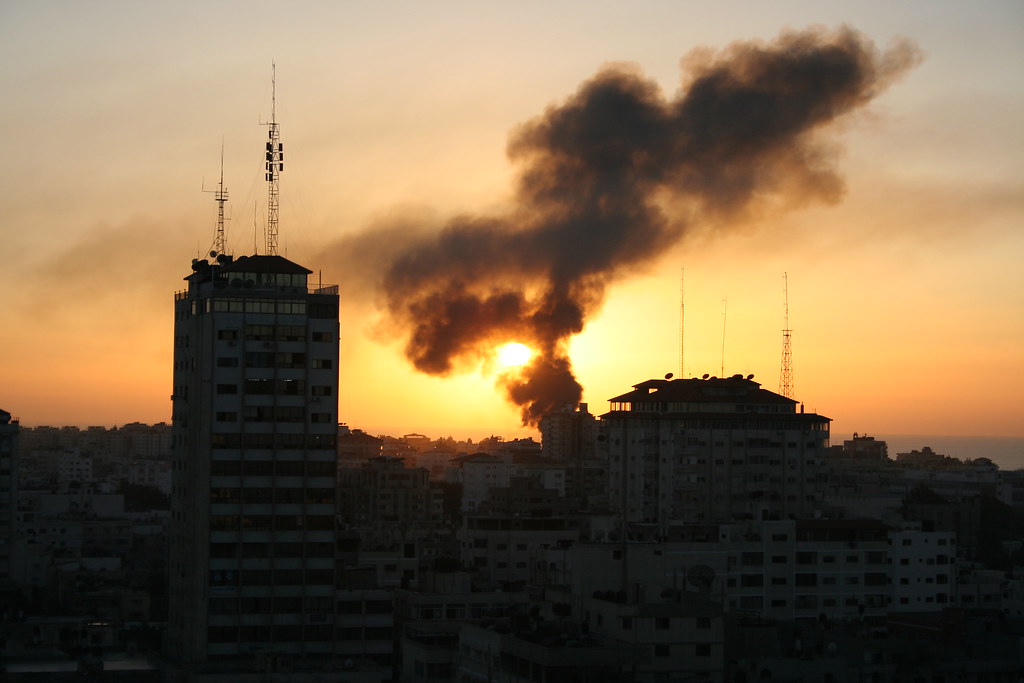
Israel launched strikes across Gaza late Sunday. Its military said it hit Hamas targets. Meanwhile, Hamas said its fighters opened fire at Israeli troops. As a result, both sides broke the promise to hold fire. Shortly after the attacks, Israel said it would cut off all aid shipments. Aid trucks waited at the border, but none crossed in. This move worries charity groups and families in Gaza.
What Happened Sunday
First, Hamas fighters attacked Israeli positions near the Gaza fence. They used small arms and mortars. This surprised troops who had grown used to the calm. Then Israeli jets struck several spots in Gaza City and Khan Younis. They targeted tunnels, weapons storage, and a training camp. Both sides claim no civilians were harmed. Yet, hospitals report a few injured people arriving for treatment.
Why the Gaza ceasefire Mattered
The ceasefire brought hope after months of fighting. Since late last year, Israel and Hamas had traded heavy strikes. Rockets from Gaza hit cities like Tel Aviv. In return, Israel bombed homes, schools, and mosques. Many civilians were killed or wounded. When leaders agreed to pause, families on both sides dared to dream of peace. Children returned to school. Shops reopened in border towns. Hospitals could plan for normal care.
Aid Cutoff Raises Alarms
Now, Israel’s decision to suspend aid threatens fragile progress. Before the halt, hundreds of supply trucks entered Gaza each day. They carried:
• Food staples like rice, flour, and canned goods
• Clean water in bottles and tanks
• Medicine for chronic diseases and injuries
• Fuel for power plants and ambulances
Without these, hospitals worry about running out of life-saving drugs. Bakeries warn they may stop making bread. Clinics might lose electricity at night. Families could face shortages of water and milk. Therefore, relief agencies urge both sides to resume aid delivery quickly.
Impact on Civilians
Civilians on both sides feel tension rising. In Gaza, many live in crowded homes or camps. When sirens sound, they dash to shelters. Afterwards, they inspect damage and search for missing relatives. In Israel, border towns brace for rocket fire and possible ground raids. Schools may close again. Nights grow sleepless as alarms blast.
Elderly residents find the stress too much. Parents struggle to calm their children. Doctors in Gaza report more cases of panic attacks and dehydration. Meanwhile, in Israeli hospitals, medics prepare for possible new injuries.
International Response
Global leaders watch nervously. United Nations envoys warn that a full breakdown of the Gaza ceasefire could lead to massive suffering. They call on both sides to show restraint. European countries urge Israel to allow humanitarian aid. In response, Israeli officials insist they must punish any Hamas aggression. They argue that aid flow depends on peace and security.
Some Arab states offer to mediate talks. They stress the need for a lasting solution that protects civilians. Nevertheless, neither Israel nor Hamas has signaled a clear willingness to return to negotiations right away. Observers fear that small skirmishes could spiral into full war once more.
Possible Paths Forward
For now, diplomats suggest several steps:
• Immediate talks over a limited prisoner exchange
• Creation of a joint aid-monitoring team
• Reaffirmation of a strict no-attack clause
• International guarantees to protect border towns
If both sides agree to these measures, the Gaza ceasefire may survive. However, any one side could walk away at the first serious provocation.
Voices from the Ground
In Tel Aviv, shopkeeper David Shapiro says, “We felt hope when the ceasefire began. But now we worry history may repeat itself. My store’s sales dropped again when the alarms went off.” Over in Gaza City, mother Fatima Salah adds, “My children ask when the bombs will stop. We have little food left. We need this truce to hold.”
Doctors and aid workers share similar fears. They warn that more violence will push the health system closer to collapse. Moreover, they say that without urgent aid, malnutrition and illness will rise in the coming weeks.
Why This Matters
First, a lasting Gaza ceasefire means fewer casualties. Second, it allows charities to help hungry and sick people. Third, it may open doors for deeper peace talks in the future. Each day of calm gives families a chance to heal and rebuild. Conversely, each day of conflict deepens anger and fear.
What Comes Next
In the next days, both sides must decide whether to step back from the brink. Israel will watch for any new Hamas aggression. Hamas will gauge Israel’s willingness to restore aid. Meanwhile, diplomats may shuttle between capitals to keep talks alive. Peace advocates stress that once violence reignites, it becomes much harder to stop.
In truth, the Gaza ceasefire depends on small decisions on both sides. A single mortar round or an errant bomb can spark major fighting. Therefore, leaders must act with care and restraint.
How You Can Help
Even if you live far away, you can support people affected by this crisis:
• Donate to reputable relief groups working in Gaza and Israel.
• Write to your elected leaders, asking them to back humanitarian aid.
• Follow trusted news outlets to stay informed.
• Talk to friends and family about the human cost of conflict.
Every action, no matter how small, can make a difference for families hoping for peace.
FAQs
What triggered the new clashes around the Gaza ceasefire?
Renewed fighting began when Hamas fighters shot at Israeli troops near the Gaza fence. In response, Israel carried out airstrikes across Gaza.
Why did Israel stop aid shipments to Gaza?
Israel wants to pressure Hamas and demands that no attacks occur. It says it will resume aid only after a stable truce holds.
How are civilians coping with these tensions?
Many people face fear, shortages of food and water, and disrupted services. Hospitals warn of low medicine supplies, and families stay in shelters.
Can the Gaza ceasefire be saved?
There is still hope. Negotiators suggest measures like prisoner swaps, joint aid monitoring, and strict no-attack pledges to keep the truce alive.