


Key Takeaways:
- Protesters want Zhelyazkov resignation over trust issues and policy failures.
- Demonstrations now span major cities and involve diverse social groups.
- The government faces a critical moment that could reshape the political scene.
Why Zhelyazkov resignation matters now
The calls for Zhelyazkov resignation spread fast across the nation. People feel the government no longer meets their needs. They cite rising prices and limited job chances. Moreover, many blame corruption in high offices. As a result, citizens say the current leaders have lost their moral right to govern. They believe a fresh start can restore hope and unity. In this context, Zhelyazkov resignation has become the loudest demand in public squares.
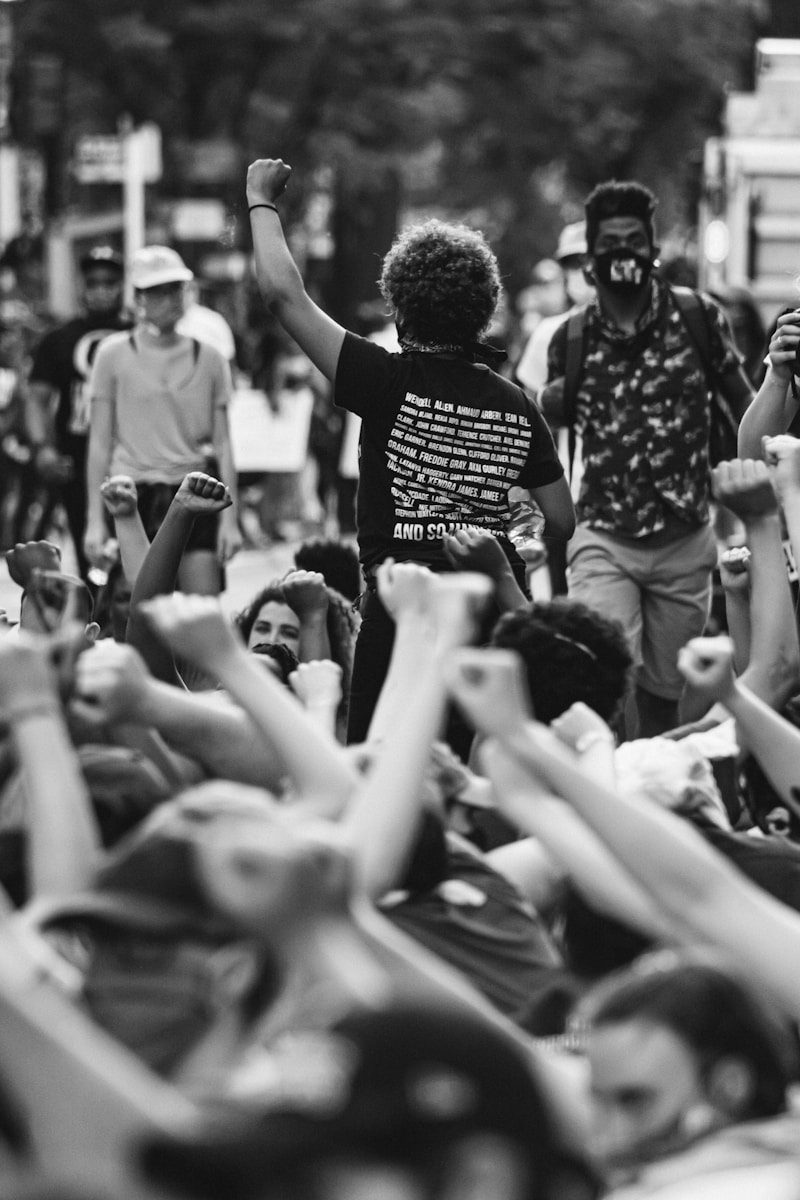
Protesters mark this moment as historic. Their signs often feature simple slogans. However, each message carries deep frustration. Youth groups lead the marches, joined by union members and activists. They use chants and drums to capture attention. Moreover, social media posts fuel the movement. They share videos of crowds demanding change. Therefore, the pressure on the center-right government builds day by day.
At the same time, the government insists it hears the public. It offers limited reforms while asking for calm. Yet, people see these steps as too small. Consequently, the Zhelyazkov resignation demand only grows stronger. Citizens worry that delays will harm the country more. They argue that only new leadership can steer the nation forward.
How protests shaped the Zhelyazkov resignation calls
First marches erupted after a controversial law passed. Critics said the law limited free speech and justice. People saw this as an attack on their basic rights. Soon, thousands gathered in main squares. They stood under banners that read “Time for Change.” These early rallies sparked similar events in other towns. Day by day, the calls for Zhelyazkov resignation gained momentum.
Transition words helped spread the message online and offline. For example, protesters painted murals encouraging unity. They also wrote letters to newspapers. Additionally, artists performed songs about democracy. These creative acts kept the movement alive. Meanwhile, families and workers joined the protests after work hours. They believed this cause touched everyone’s life.
Police sometimes broke up gatherings. Yet, each crackdown only fueled public anger. As a result, new crowds formed the next day. In some cities, university students led peaceful sit-ins. They demanded dialogue with the prime minister. Although officials offered meetings, protesters said talks were not enough. They wanted a full Zhelyazkov resignation before any discussion.
Media coverage amplified the protests. Local channels aired live feeds of crowds. Online influencers shared first-hand accounts. Consequently, international observers began to take note. They urged both sides to seek a peaceful solution. However, the core message stayed simple: Zhelyazkov resignation now.
What could come after a Zhelyazkov resignation
If the prime minister steps down, the current government would collapse. Then, a caretaker administration might take control for a short time. It would organize new elections to pick fresh leaders. Opposition parties hope to win these polls. They promise to tackle corruption and improve living conditions. In contrast, the ruling party might regroup and propose new candidates.
However, not everyone agrees on this path. Some say too many changes could destabilize the economy. Others fear a power vacuum could harm national security. Therefore, both camps stress the need for calm. They call for respect for democracy and legal processes. As a result, any transition after the Zhelyazkov resignation must follow clear rules.
Moreover, civil society groups urge open debates on key issues. They want citizens to help draft new plans. For example, they seek input on health care, jobs, and education. They believe wide consultation will rebuild trust. If the plan succeeds, the nation could emerge stronger after the Zhelyazkov resignation.
How other countries respond to such protests
Across the region, leaders watch these events closely. Many nations have faced similar citizen protests. For instance, neighboring countries saw mass rallies last year. They ended with government changes or major reforms. As a result, diplomats now encourage dialogue in this country. They remind officials to respect human rights during protests. At the same time, they offer support for fair elections after any Zhelyazkov resignation.
International organizations also stress the rule of law. They warn against violence and urge swift legal steps for any leadership change. Meanwhile, foreign media highlight the peaceful nature of most gatherings. Consequently, global audiences view this protest movement as a model of civic action. It shows how people can unite to voice their demands.
Outlook for the nation
Looking ahead, the path remains uncertain. Protests show no sign of fading soon. Citizens seem willing to stay in the streets until they win. Yet, dialogue offers a chance to find middle ground. Political leaders might propose fresh policies to calm the public. In addition, independent groups can mediate talks between the government and citizens. These talks could focus on drafting a transparent roadmap for change.
In the end, the real test lies in trust. People must believe that any new leadership will act in their interest. Only then can this country heal. Whether through elections or appointed experts, the goal stays clear: restore safe streets, good jobs, and honest governance. The phrase “Zhelyazkov resignation” may fade, but the spirit of this movement could stay alive in future reforms.
Frequently Asked Questions
What triggered the protests demanding Zhelyazkov resignation?
The protests began after lawmakers passed a law seen as harming free speech and justice. Citizens felt the law showed the government no longer listened to them.
Who is Rosen Zhelyazkov?
Rosen Zhelyazkov leads a center-right government. He became prime minister after the last elections. Many citizens now blame his leadership for recent policy failures.
Could the government fall if Zhelyazkov resigns?
Yes, a prime minister’s resignation would end the current cabinet. A temporary government would organize new elections to choose fresh leaders.
What happens if talks and reforms fail to satisfy protesters?
If talks stall or reforms seem insufficient, protests could continue. In that case, the pressure for a Zhelyazkov resignation would grow even stronger. Source: https://www.nydailynews.com/2025/12/10/bulgaria-anti-government-protests/