


Key Takeaways
• The Supreme Court may overturn a 90-year-old rule that keeps independent agencies safe from presidential firings.
• Removing this protection would give the president more control over federal regulators like the FTC and SEC.
• Experts warn that politicizing independent agencies could lead to corruption and weaken checks on power.
• If the ruling favors Trump in Trump v. Slaughter, future presidents could demand loyalty pledges from agency staff.
Independent Agencies Under Threat
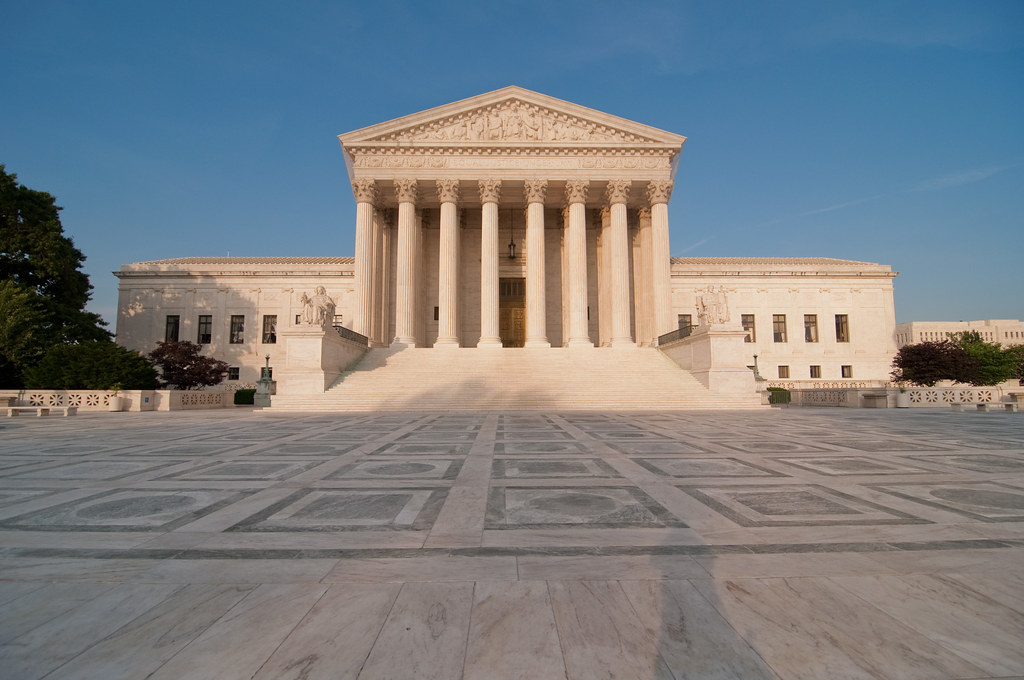
The Supreme Court heard Trump v. Slaughter in December. The case could undo a 1935 rule known as Humphrey’s Executor. That decision has stopped presidents from firing heads of independent agencies without good cause. Now, the Court’s conservative majority may erase that safeguard. If they do, presidents will gain more power over agencies that regulate business, labor, energy and safety.
What Are Independent Agencies?
Independent agencies are groups of experts who make and enforce rules on important topics. For example:
• The Federal Trade Commission (FTC) watches out for unfair business deals.
• The Securities and Exchange Commission (SEC) protects investors in the stock market.
• The National Labor Relations Board (NLRB) checks that workers can join unions.
• The Occupational Safety and Health Administration (OSHA) keeps workplaces safe.
These agencies work outside the usual political fights. That makes them fair and focused on facts. Over the years, Congress gave them a lot of power. It did this because it trusted them to act independently of the president.
Why Protection Matters for Independent Agencies
Since 1935, independent agencies have had job security for their leaders. Presidents could only remove them for bad behavior, not for policy disagreements. This rule kept politics out of rule-making. It also encouraged experts to join without fearing sudden firings. In fact, Congress let them write big rules because it knew they would not change with every administration.
However, the new Supreme Court could say this rule hurts the president’s power over the executive branch. Just last year, the Court allowed firing the head of one agency at will. Now it may say multi-member agencies cannot have extra protection, either. If that happens, presidents could fire agency heads for simple policy disagreements. That would turn these bodies into political tools.
Court Case: Trump v. Slaughter
Trump v. Slaughter centers on President Trump’s firing of FTC Commissioner Rebecca Slaughter. He wanted her gone after she clashed with his policies. Lower courts ruled that Humphrey’s Executor protects her. But the Supreme Court’s six conservative justices seem ready to side with Trump. They argue that all executive power belongs to the president. Thus, no official should be safe from removal.
Legal scholars call this the most important case of the decade. They warn that ending this protection will “unleash massive corruption.” They say the ruling could give the president sweeping control over investigations, rule-making and enforcement. Moreover, it could destroy the idea of split-party representation on commissions. That balance kept decisions fair and bipartisan.
Possible Effects if Protection Ends
If the Court overturns Humphrey’s Executor, these things may happen:
1. Agency leaders serve at the president’s pleasure. They must follow political orders or risk firing.
2. Presidents could demand loyalty oaths from agency staff, not just heads.
3. Agencies lose their nonpartisan nature and become extensions of the White House.
4. Policy decisions—from energy rules to workplace safety—shift with the president’s agenda.
5. Corruption risks grow as business and political allies gain direct access to agencies.
Experts see a slippery slope. Once the principle is gone, future courts may let presidents fire any civil servant. That would end the merit-based civil service. Instead of experts making policy, political operatives could run agencies. In turn, rules could favor certain industries or donors. This shift could weaken checks on power and undermine public trust.
What Comes Next?
A decision in Trump’s favor could arrive by June. If the Court rules 6-3 along ideological lines, independent agencies lose their shield. After that, the president might push to fire more officials. He could issue loyalty pledges for mid-level staff at the EPA, FCC or other agencies. In time, nearly every part of the federal bureaucracy could bend to presidential will.
Some experts urge Congress to act. They say lawmakers could pass new laws to restore agency independence. However, passing such laws may prove difficult in a divided government. In reality, presidents may gain years of extra power before any check comes from Congress. Citizens and watchdog groups will need to watch carefully. They must hold leaders accountable and defend agency independence.
Frequently Asked Questions
Why are independent agencies important?
Independent agencies provide expert, nonpartisan rule-making. They protect consumers, workers and investors. Their independence helps keep decisions fair and based on facts.
What was Humphrey’s Executor?
Humphrey’s Executor is a 1935 Supreme Court case. It said Congress can limit a president’s power to remove agency officials. This rule kept agency heads safe from political firings without cause.
Who is involved in Trump v. Slaughter?
The case challenges President Trump’s firing of Federal Trade Commissioner Rebecca Slaughter. It asks whether Humphrey’s Executor still blocks a president from removing agency leaders at will.
How could this ruling affect me?
If independent agencies lose protection, they may become more political. Rules on business practices, workplace safety, and other areas could shift with each president. This change might reduce fairness in rule-making and enforcement.