


Key takeaways
• Trump rallies have fallen sharply this fall compared to his first year in office.
• He has spent more time at golf clubs, his Mar-a-Lago resort, and on foreign trips.
• Some top supporters worry he’s drifting away from everyday voters.
• Allies fear this shift may weaken his political impact.
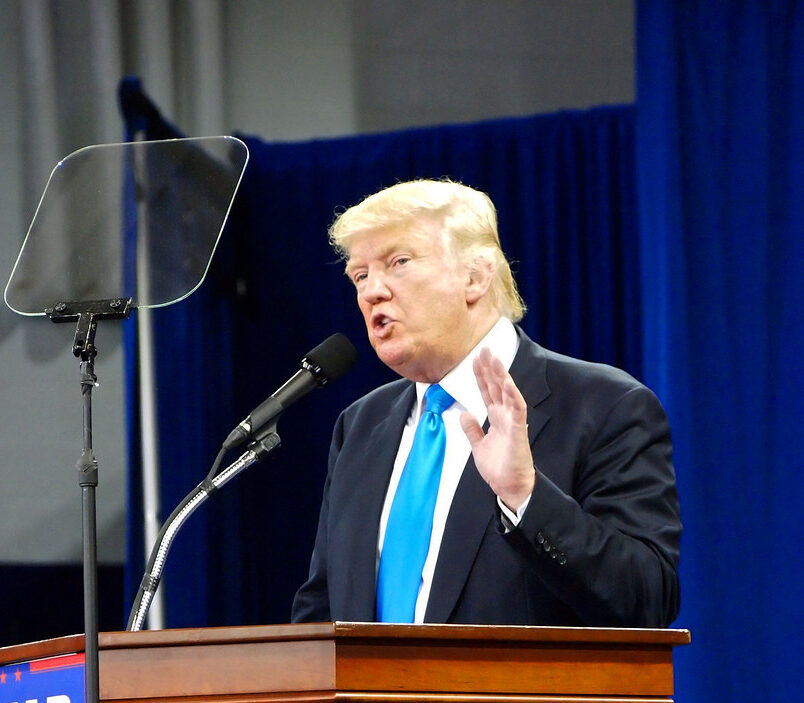
Former president Donald Trump has dramatically reduced his public campaign style events known as Trump rallies. Analysts highlight a big change from 2017, when he held more than a dozen domestic trips from September to November. This fall, he has left the Washington area only five times. Instead of rallies, he plays golf, hosts friends at Mar-a-Lago, and travels overseas. As a result, some of his closest allies worry he’s losing touch with the voters who first backed him.
Trump’s 2017 vs 2023 Schedule
Back in 2017, Trump rallies shaped his days. Between September and November he traveled domestically at least thirteen times. He campaigned for local candidates. He visited energy workers in North Dakota. He rallied voters in Alabama. His trips fused politics with purpose. In 2023, the story is different. He left the capital only five times during the same period:
• Once to Mar-a-Lago for personal time.
• Once to his golf club in New Jersey.
• Three times to attend sporting events with wealthy friends.
Thus, Trump rallies have largely vanished from his autumn calendar. Instead, golf clubs and resorts dominate his outings.
Trump Rallies vs Golf and Travel
Many people see the change as a clear signal. First, Trump rallies once energized his base. They offered bold speeches and direct voter appeals. Now, golf outings and luxury trips take the spotlight. Moreover, his international travel has risen compared with his first year in office. Allies who once urged more foreign visits now urge fewer. They argue that skipping Trump rallies could dull his political antenna.
In addition, older Trump supporters miss the familiar campaign style. They remember packed arenas, red hats, and chants. This year, they see more private planes and fewer crowds. Consequently, some feel left out. They worry he no longer hears their daily struggles.
What Allies Are Saying
Several die-hard Trump backers have voiced concern. For example, a close ally said people voted for him to lower prices and bring back factories. They did not vote for him to build lavish ballrooms. In that view, Trump rallies served as direct proof of his focus on everyday needs. Now, allies worry he’s tuning out public concerns.
Far-right influencer voices have also chimed in. They urge him to return to his campaign roots. They believe Trump rallies help him read voter moods firsthand. Without them, they fear he may misjudge where his supporters stand. Furthermore, some worry foreign trips distract from American issues like rising costs.
Impact on Voters and Campaign
The decline in Trump rallies could reshape his political standing. First, regular voters often rely on in-person events to feel connected. When a leader visits local towns, they see that he cares. However, if he stays at resorts and golf courses, voters might feel overlooked.
Second, Trump rallies generate media buzz. Even a short speech can dominate news cycles. That kind of visibility helps him control the narrative. By contrast, golf outings and overseas trips rarely grab headlines in the same way. As a result, he may lose valuable media attention.
Third, rallies allow the president to test messages. He can try new talking points and see how crowds react. This instant feedback can refine his strategy. Now, without Trump rallies, he may miss cues on what messages resonate most.
Finally, local leaders value presidential visits. They use them to rally support for policies and candidates. Fewer stops could weaken his influence in key regions. Without that ground game, his party might struggle in future elections.
Why the Change Happened
Several factors may explain his shift away from Trump rallies. First, health and age could play a role. At seventy-eight, he might find long travel days and large crowds more tiring. Second, after years on the campaign trail, he might prefer quieter activities. Third, his focus on business ventures at Mar-a-Lago and golf clubs could overshadow political events.
Moreover, increased international travel suggests new priorities. He has visited allies and attended summits. While such trips can boost his global image, they may not help his domestic standing. Some argue that these foreign visits distract from pressing local issues like inflation and job growth.
In addition, security concerns at large rallies can be costly and complex. Organizing smaller private events is easier and cheaper. This practical shift could explain part of the drop in Trump rallies.
What Comes Next
Looking ahead, Trump rallies may return if political needs demand them. For instance, if polls dip or key races tighten, he might revive his signature campaign style. After all, Trump rallies propelled him to his first victory and fueled his 2020 run.
However, if he continues prioritizing personal interests and foreign travel, the absence of rallies could become the norm. In that case, his team may need new strategies to engage grassroots supporters. They might lean more on online outreach or smaller meet-and-greets.
Ultimately, the effect on voter enthusiasm remains to be seen. A president disconnected from his former rally base risks losing passion among his core crowd. Conversely, his team could reinvent his approach with fresh ideas that match today’s politics.
FAQs
What caused the drop in Trump rallies this fall?
A mix of factors, including his age, personal interests, security costs, and focus on foreign travel, likely led to fewer Trump rallies.
How many times did Trump host rallies in 2017 and 2023?
From September to November 2017, he traveled domestically over a dozen times. During the same period in 2023, he left Washington just five times.
Why do some supporters worry about fewer Trump rallies?
They fear he’s losing touch with everyday voter concerns. Rallies offered direct feedback and media attention crucial for a strong campaign.
Could Trump rallies return next year?
Yes. If political conditions demand more public engagement, he might bring back his famous campaign events to boost support and energy.