


Key Takeaways
• A lifelong activist warns that true protests need readiness to face legal consequences
• Modern protesters block traffic but often avoid arrest, unlike past civil disobedience
• The writer calls for honest planning and risk-taking in anti-ICE actions
• Civil disobedience demands clear goals and solid preparation
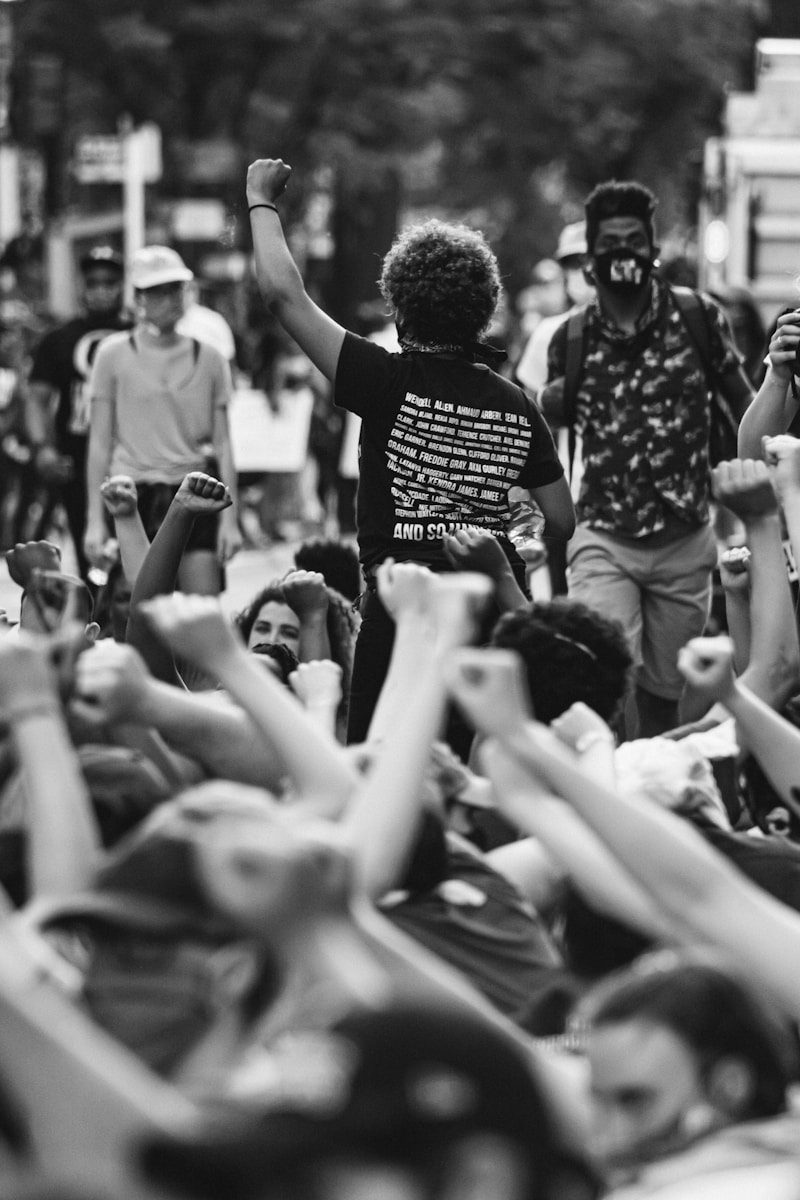
In a recent letter, a veteran activist compares today’s actions against ICE to protests from the Vietnam era. He says modern protesters block streets but rarely prepare for arrests. He argues that civil disobedience needs serious planning. This story explores his view and what it means for future actions.
Protesters Then and Now
In the 1960s and 70s, sit-ins and marches came with real risk. Activists expected jail time. They trained, set up legal funds, and shared clear goals. Today, some protesters gather on busy streets. They slow cars and shout slogans. Yet few expect to face charges. They leave when police arrive. The veteran writer finds this odd.
He remembers sitting inside college offices. He and friends locked arms. They forced the campus to pause. They faced arrest without doubt. They sent a clear message to the public. They also built support among students and locals. That support helped when police brought charges.
By contrast, he says modern protesters seem to aim for viral videos. They hope social media will protect them. However, police still have power to arrest. Without a plan, actions can lose focus.
Why Civil Disobedience Matters
Civil disobedience means breaking certain laws to show that something is deeply wrong. It is not just about noise. It is a commitment. It carries moral weight only when people accept the consequences. It forces society to face hard truths.
The letter writer explains that he and his peers learned this through trial and error. They held training sessions. They spoke about legal rights. They set up backup plans in case police stepped in. They knew the risk. They chose to act anyway.
Modern protesters can learn from this. First, set clear goals. Ask: What do we want? Second, organize legal support. Third, tell the public why you act. Fourth, be ready for arrest. Otherwise, the protest can seem shallow.
Legal Risks for Activists
Every city has rules on demonstrations. Blocking traffic can lead to fines or jail time. Even a brief blockage can trigger serious charges. Some police forces track repeat offenders. They watch social media for planning and then arrest leaders.
The veteran warns against surprise arrests. He urges activists to understand local laws. He suggests holding mock arrests in safe spaces. This way, protesters know the stress and the rules.
Also, it helps to pick key spokespeople. They speak clearly to the press. They share plans and next steps. This builds trust with the wider community.
What the Letter Says About Politics
The original article, “Anti-ICE pols speak up,” shared views of politicians who criticize ICE. They push for policy changes and demand limits on raids. The letter adds a personal angle. The veteran says words alone are not enough. He respects the politicians but wants more action on the street. He hopes that protests match the boldness of policy calls.
He believes that civil disobedience can move lawmakers. Yet, only if it stays organized. He warns against random street blockades. Instead, he calls for focused actions in front of official buildings. He says that sends a stronger message to those in power.
Building Stronger Movements
A strong movement has four parts:
• Clear message: Explain what you want from policymakers.
• Committed core: A group ready to face consequences.
• Back-up plan: Legal advice and bail funds on standby.
• Community ties: Solidarity with local people who share your goals.
When these parts join, protesters feel safe. They know they stand together. They also speak with more authority.
Lessons for Future ICE Protests
As debates on ICE policies heat up, actions will likely continue. The letter writer fears that too many will focus on short clips for social media. He urges deeper work. That includes town halls, petitions, and, yes, civil disobedience with full intent.
He shares tips: Always tell someone where you plan to protest. Have a phone number for legal help. Decide on a code word if police arrive. Practice holding your ground without panicking. These steps make it clear you know what you face.
Toward Effective Advocacy
Advocates against ICE know that the agency operates across states. This means protests in New York alone won’t stop national policies. The activist suggests a network of cities acting in sync. If protesters in several locations stage planned sit-ins on the same day, it draws real headlines. It forces broader coverage. It shows resolve.
He also highlights that nonviolent rules keep sympathy on your side. Violence or property damage turns people away. Civil disobedience stays peaceful but firm. That balance is key.
What Happens Next
Right now, anti-ICE voices and supporters of the agency both shout loud. But a movement that mixes words with carefully planned street actions can tip the scales. The letter’s core message is that readiness counts. Actions without preparation gain little lasting change. But smart, bold protests can change laws.
As more people join the debate, these tips can help new activists. Knowing the risks and laws makes a protestable moment stronger. It also builds respect from all sides.
Frequently Asked Questions
What exactly is civil disobedience?
Civil disobedience is a peaceful break of certain laws to highlight a cause. It relies on accepting legal consequences. It aims to show how serious the issue is.
How can protesters prepare for arrest?
They can learn local laws, set up a legal fund, and train in mock scenarios. Each person should know phone numbers for legal support. Teams help each other stay calm.
Why focus on blocking official buildings?
Blocking traffic hurts random people. Protesting in front of government offices targets decision makers directly. It keeps the message clear and focused.
Can social media replace physical protests?
Social media raises awareness fast. Yet, real-world actions still move hearts and minds. A mix of both works best for change. Source: https://www.nydailynews.com/2025/12/03/readers-sound-off-on-anti-ice-protesters-sacrificing-ukraine-and-consumer-boycotts/