


Key Takeaways
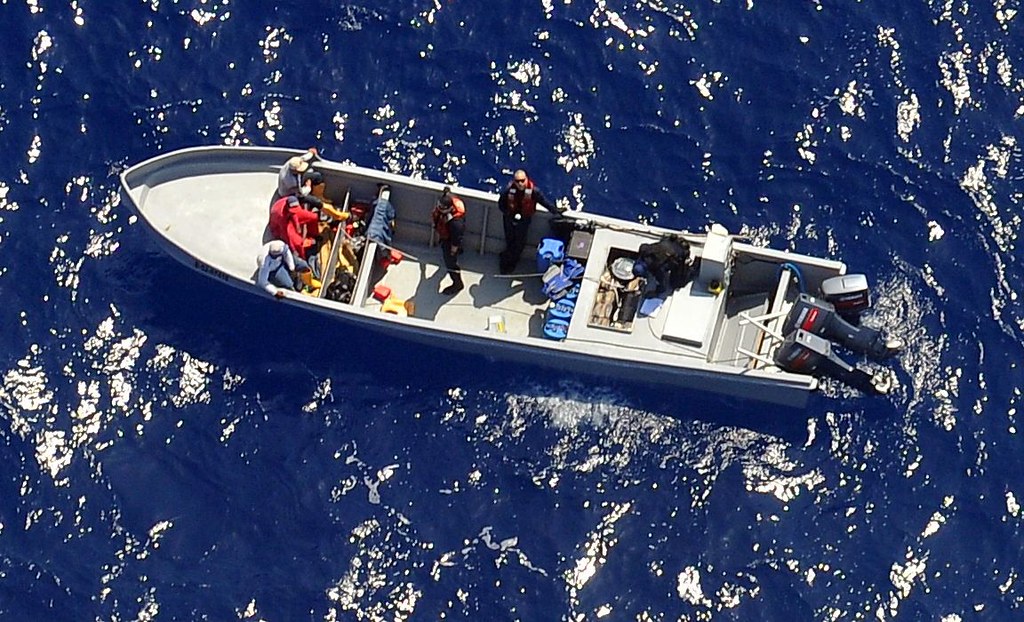
- Experts say the US carried out 21 drug boat strikes.
- Reports reveal over 80 people died in these drug boat strikes.
- A former advisor called the attacks murder on a popular podcast.
- Officials kept shifting their story about the drug boat strikes.
- Some worry these actions might count as war crimes.
A new podcast episode exposed fresh outrage over recent drug boat strikes. In the show, a top security expert tore into the administration’s shifting explanations. He claimed leaders acted like people caught in murder. The expert argued that officials know they will face questions soon.
During the podcast, the former national security advisor called the strikes murder. He said the administration kept changing its story because it was guilty. He pointed to video evidence that showed survivors begging for help. Instead, orders came to kill everyone on board.
Why Drug Boat Strikes Spark Outrage
In total, the administration has hit at least 21 alleged drug boats. Reports say these attacks killed more than 80 people. The victims included crew members who might have been illegally trafficked. As a result, many human rights groups sounded the alarm.
Moreover, reports claim a defense official ordered soldiers to kill any survivors on one boat. If true, experts warn this could count as a war crime. International law clearly forbids killing shipwrecked people who no longer fight.
Podcast Background
The episode aired on a show popular with former staffers from a past administration. The hosts aim to hold current leaders to account. In this edition, they invited a former White House security adviser. He spoke in clear, simple terms so teens and adults could follow.
He began by laying out the facts. Then he criticized the shifting explanations. At first, officials said they removed a hazard. Next, they said it was self-defense. Now, they claim no survivors existed.
Harsh Criticism Emerges
The expert did not hold back. He said leaders acted like people who know they are guilty of murder. He insisted they lied so they would not face consequences. He also noted that those in power have long careers ahead. They might worry about life after leaving office.
Furthermore, he warned that shifting stories never help politicians. Instead, they feed doubts and accusations. In this case, the doubts center on the legality of these drug boat strikes.
Administration’s Changing Story
At a recent press event, a spokesperson said he was unaware of any survivors when he left the meeting. Yet he had earlier claimed he watched the strike in full. This contradiction only deepened questions.
First, the spokesperson insisted the mission removed a safety threat. Then, the administration said it acted in self-defense. Now, it claims no survivors existed to be harmed. As a result, critics say the administration’s narrative keeps evolving.
Possible War Crime Concerns
By international rules, combatants must protect shipwrecked people. They cannot kill them once they stop fighting or are out of ammunition. Experts say the alleged orders clearly break those rules.
Moreover, video footage seems to show survivors crying and pleading. Then, suddenly, troops opened fire again. These images shocked many viewers. Now, human rights groups demand a full inquiry.
What’s Next for Officials
People around the world demand accountability. Some call for investigations by Congress. Others propose hearings in international courts. Meanwhile, the administration insists it followed the law.
However, as the podcast expert pointed out, changing explanations do not build trust. Instead, they raise more questions. Officials now face pressure to produce clear records and answers.
In addition, witnesses and survivors may step forward. Their accounts could shed light on what really happened. If more evidence emerges, the debate will intensify.
Finally, as international scrutiny grows, the administration must decide whether to open up its files. Transparency could calm fears. Yet it might also expose mistakes and possible crimes.
Looking Ahead
As public interest builds, the story will not fade quickly. Everyday citizens watch closely. They seek simple facts and clear justice. For many, the idea that leaders could order such deadly actions is shocking.
Nevertheless, the former advisor reminded listeners that accountability can arrive later. Politicians and soldiers often enjoy protection while in office. Yet once they leave, documents can emerge and cases can form.
Therefore, the next few months will prove critical. Will officials face real investigations? Or will the shifting narratives keep the truth hidden?
Frequently Asked Questions
Why are people upset about these recent naval actions?
People worry these attacks broke international rules. Survivors may have been killed even after they stopped fighting. Video evidence adds to the concern.
How many of these boat raids happened so far?
Reports say at least 21 alleged drug boat strikes. Analysts track each event and note over 80 deaths.
Who spoke out on that podcast?
A former national security advisor from a previous administration led the criticism. He joined hosts known for holding leaders accountable.
What could happen next for those involved?
Lawmakers might open investigations. International bodies could look into possible war crimes. Witness testimonies and released files may influence the outcome.