


Key Takeaways
- The Trump administration wants to protect Roundup maker from cancer lawsuits
- Thousands of people claim the weed killer causes non-Hodgkin lymphoma
- Government argues federal law blocks states from requiring extra warnings
- The EPA says glyphosate in Roundup is safe; WHO labels it “probably carcinogenic”
- A Supreme Court ruling could shape over 170,000 pending claims
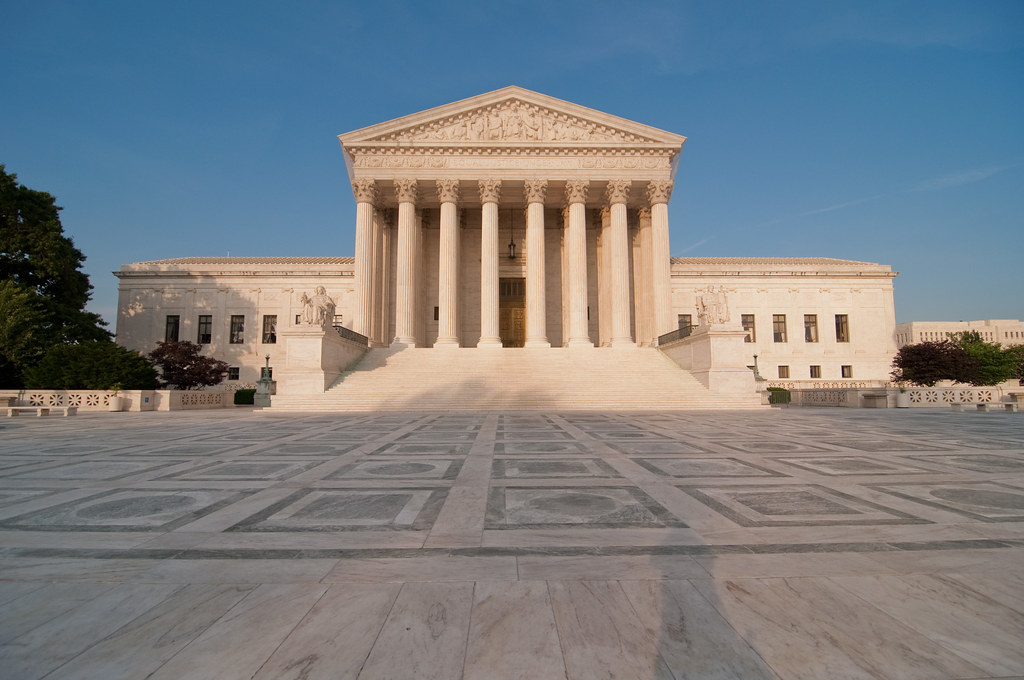
The battle over Roundup just reached the Supreme Court. The Trump administration asked the court to shield Bayer, the owner of Monsanto, from thousands of state lawsuits. Plaintiffs say Roundup’s active ingredient, glyphosate, caused their cancer. Now, the justices must decide if federal law prevents states from ordering extra warnings on labeling.
Background on the Roundup Cases
First, a Missouri jury awarded $1.25 million to John Durnell. He claimed Roundup gave him non-Hodgkin lymphoma. Soon after, Bayer challenged the verdict. Moreover, nearly 4,500 Roundup suits sit in one federal court. In total, more than 170,000 claims have been filed across the nation. That wave of litigation began after a landmark 2018 case in California.
How Science and Law Clash
In 2015, the World Health Organization’s cancer agency called glyphosate “probably carcinogenic.” However, the US Environmental Protection Agency later said the opposite. The EPA ruled glyphosate is “not likely to be carcinogenic.” It approved labels without cancer warnings. Yet a federal appeals court in 2022 voided that EPA ruling. The judges said the agency relied too much on unpublished studies from Monsanto.
Federal Law vs. State Power
At the heart of this fight is the Federal Insecticide, Fungicide, and Rodenticide Act. Known as FIFRA, it sets national rules for pesticide labels. It also blocks states from demanding stricter warnings. Bayer argues FIFRA preempts these state court claims. The Trump administration agrees. In a brief, Solicitor General D. John Sauer urged the court to take the case. He wrote that states lack authority to override federal labeling rules.
Why the Trump Administration Stepped In
Usually, the Justice Department stays out of private lawsuits. Yet this time it filed a 24-page brief. It asked the Supreme Court to protect Bayer from these lawsuits. Sauer pointed to the EPA’s stance on glyphosate. He noted that the EPA approved Roundup labels without cancer warnings over many years. Thus, he argued, states cannot force different labels.
EPA’s Track Record on Glyphosate
The EPA first reviewed glyphosate in 2016 and again in 2020. Each time, it found the chemical unlikely to cause cancer. Yet the 9th Circuit Court of Appeals tossed that finding. Judges said the agency mixed up its reasoning and ignored key animal studies. Those studies linked glyphosate to cancer in lab animals. Meanwhile, the WHO’s cancer agency stuck with its “probably carcinogenic” label.
Bayer’s Response and Stock Impact
Bayer bought Monsanto in 2018 and inherited Roundup’s legal woes. The company has paid more than $10 billion in verdicts and settlements so far. That huge payout drained Bayer’s stock value. In response, Bayer pulled glyphosate-based products from home-use markets in 2023. It switched to other active ingredients. Yet the lawsuits kept coming.
Political Overtones in the Roundup Fight
The case has drawn clashes over political promises. Health and Human Services Secretary Robert F. Kennedy Jr. once campaigned against pesticides. He even argued for banning dangerous chemicals. As a candidate, he sued Monsanto for a cancer victim named Dewayne Johnson. However, after joining the Trump administration, he stayed silent on glyphosate. He even reassured pesticide makers that he would not ban glyphosate.
This shift upset environmental advocates. They call it regulatory capture. They say Kennedy put corporate interests above public health. Critics also point to other Trump EPA moves. The agency has rolled back limits on toxic “forever chemicals” in drinking water. It refused to ban chlorpyrifos, an insecticide linked to brain harm in children. Now, they worry the DOJ brief is another step to shield big chemical companies.
What the Supreme Court Decision Could Mean
If the court sides with Bayer, states could lose power to enforce tougher labels. That decision might block these 170,000 claims from moving forward. In addition, the ruling could affect other products regulated under FIFRA. Conversely, if the justices reject the petition, the lawsuits could proceed. States might require cancer warnings on Roundup labels. Bayer could face millions more in verdicts.
Next Steps in the Legal Process
The Supreme Court must decide whether to hear the case. If it grants review, oral arguments could come next year. A final ruling might take months after that. Meanwhile, thousands of plaintiffs will wait for their day in court. They include farmers, gardeners, and lawn care workers. All share the same claim: Roundup damaged their health.
The Bigger Picture for Consumers and Companies
This showdown highlights a larger debate. Should federal regulators or individual states set safety rules? Industry groups argue for national consistency. They say split standards would harm commerce. On the other hand, consumer advocates fear federal reviews can be influenced by big business. They believe states act faster to protect people. The Supreme Court’s decision will shape this debate for years to come.
What You Can Do Now
Consumers worried about lawn chemicals should read product labels carefully. You can also look for glyphosate-free weed killers. Talking to local officials about pesticide rules may help too. Finally, stay informed as the case moves through the courts.
Frequently Asked Questions
How many lawsuits involve Roundup?
More than 170,000 claims have been filed, with nearly 4,500 in one federal court.
What is FIFRA and why does it matter?
FIFRA is federal law that sets pesticide label rules and blocks states from stricter warnings.
Why did the WHO and EPA disagree on glyphosate?
The WHO saw limited evidence of cancer risk, while the EPA relied on studies from manufacturers.
What would a Supreme Court win for Bayer mean?
It could block state court claims and limit states’ power to require tougher warnings.