


Key Takeaways
- The MTA will use tap-to-pay for all riders by next year.
- Tap-to-pay speeds up boarding and checks.
- Fare enforcement will focus on buses, where most evasion happens.
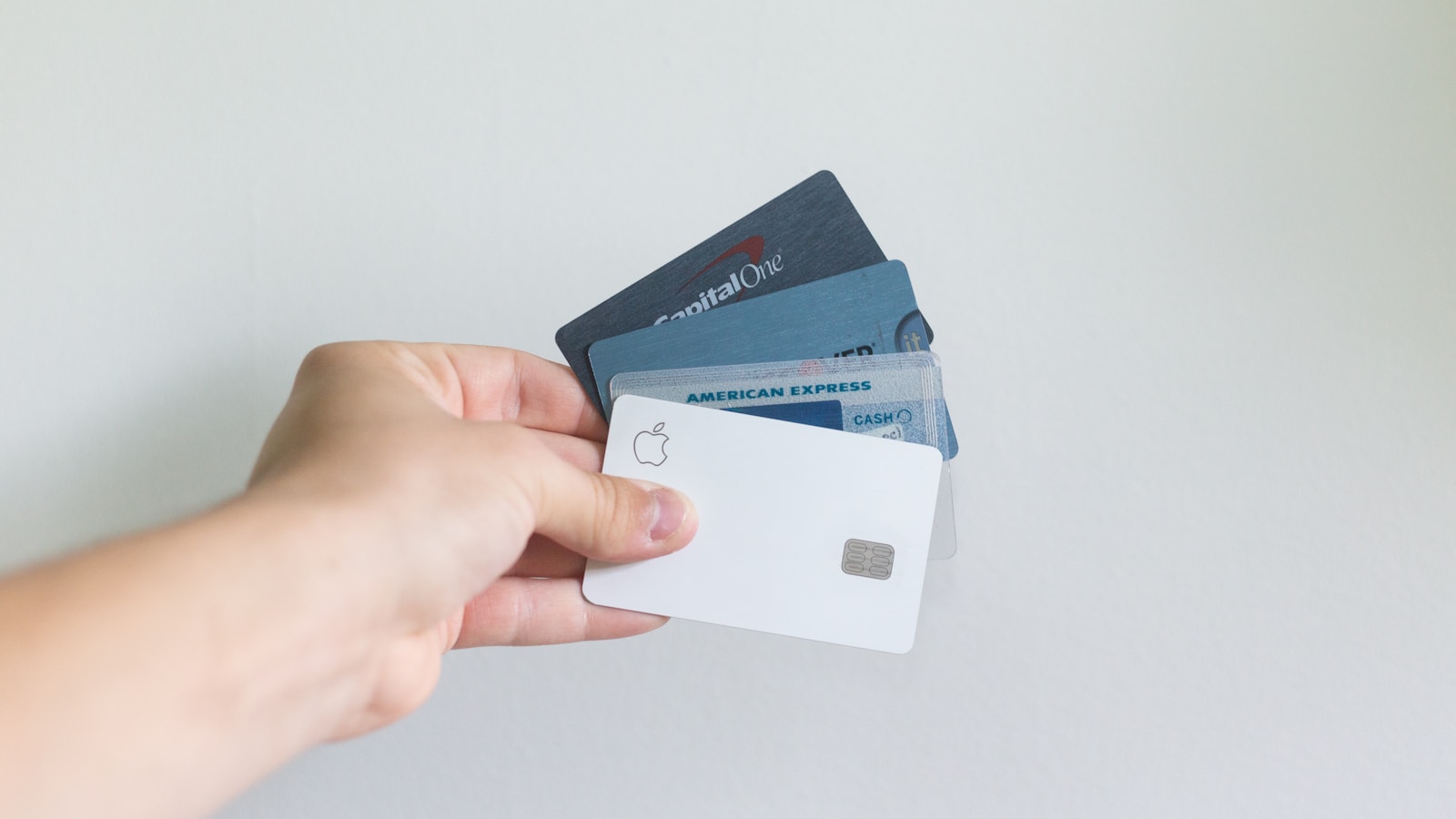
- Riders can use bank cards, phones, or wearables.
- The new system aims to reduce fare evasion and improve service.
The MTA plans to end cash payments on subways and buses. Instead, every rider will tap a card or phone to pay. This tap-to-pay shift will help staff check fares faster. It also makes finding people who skip fares easier. Most fare evasion now happens on buses. Therefore, the MTA sees big gains there.
Why MTA Chooses Tap-to-Pay
The MTA faces millions of dollars in lost fares each year. Yet cash and old MetroCards slow down boarding. Also, fare inspectors must open turnstiles to check cards. That costs time and money. By switching to tap-to-pay, the MTA can spot unpaid rides in real time. Moreover, it cuts out bulky kiosks that break down often. This shift will help staff focus on real problems instead of fixing old machines.
How Tap-to-Pay Works on Buses and Trains
With tap-to-pay, riders simply tap their bank card, phone, or watch on a reader. The system deducts the correct fare automatically. As a result, passengers no longer swipe a card or grab a ticket. On buses, riders tap when they board. On subways, they tap at the turnstile. Fare inspectors carry handheld readers. They tap riders’ devices to verify payment. If someone skipped payment, the reader alerts the inspector.
Benefits for Riders and the MTA
First, tap-to-pay speeds up lines. Boarding takes just a second. Riders avoid searching for cash or tickets. Second, the system tracks how often you ride. It can cap your spending so you never pay more than a monthly pass would cost. Third, cleaner stations mean fewer broken MetroCard machines. Finally, the MTA saves money on machine maintenance. As a result, the agency can invest more in train cars and buses.
Cutting Fare Evasion on Buses
Buses see the most fare skipping because drivers check fares manually. Drivers must look at each person’s MetroCard or cash. Some riders sneak past when drivers are busy. With tap-to-pay, fare inspectors spot evaders quickly. They no longer rely on drivers alone. Also, inspectors can cover more routes with handheld readers. Consequently, fare evasion on buses should drop sharply.
Addressing Fairness and Privacy Concerns
Some riders worry about tracking. They fear the MTA could store ride histories indefinitely. However, the agency says it will only keep data needed for billing and safety. Also, disabled and low-income riders get free and reduced-fare cards. These cards still work in the tap-to-pay system. Thus, the change aims to be fair for all.
Preparing for the Tap-to-Pay Transition
The MTA will roll out tap-to-pay in phases. First, it will update turnstiles in busy stations. Then it will install readers on all buses. During the switch, riders can still use MetroCards or cash. The MTA will run outreach campaigns in multiple languages. Staff will guide riders at stations and on buses. It will also set up help booths and hotlines.
Training Inspectors and Staff
Inspectors get new handheld devices. They learn to tap riders’ cards and handle nonpaying passengers. Bus drivers get briefings on the new boarding process. Station agents learn how to assist taps at turnstiles. In addition, the MTA plans surprise drills to test readiness. As a result, staff will feel confident on day one.
Dealing with Technical Glitches
No new system is perfect right away. Readers may fail or misread taps. To address this, the MTA will deploy roaming tech teams. They will fix or replace faulty readers within hours. Plus, riders can report issues through a dedicated app. The MTA will track problems and fix patterns fast.
What Riders Should Do Now
Buy a contactless bank card or register your phone’s payment app. If you need a reduced-fare card, apply early. Update your payment info when your bank card expires. Practice tapping at your local station or on a bus. And stay alert for MTA announcements and station guides.
Looking Ahead: A Future with Tap-to-Pay
Once everyone taps, fare evasion should drop significantly. Cleaner stations and faster boarding will improve rider satisfaction. Data from taps can help the MTA plan better service. For example, the agency can see which routes need more trains or buses. In the long run, tap-to-pay could expand to commuter rails.
FAQs
What if my card or phone battery dies?
The MTA will still accept a paper fare card during the transition. Also, stations and buses will offer limited cash-to-tap kiosks. These let you load cash onto a disposable tap card.
How does tap-to-pay cap my fares?
The system tracks your daily and monthly taps. Once you reach the cost of an unlimited pass, it stops charging you. This ensures you never pay more by tapping than you would with a pass.
Will the MTA track where I go?
The MTA states it only keeps data needed to manage fares and safety. It does not share individual rider data for marketing or other purposes. You can request records of your own rides.
How long will the full roll-out take?
The MTA aims to finish citywide tap-to-pay within 18 months. Major stations and bus routes come first. Complete coverage should follow soon after. Source: https://www.nydailynews.com/2025/12/03/show-me-your-phone-end-of-cash-bus-fares-to-expedite-mta-fare-enforcement/