


Key Takeaways
• Democrats worry donations could be a quid pro quo.
• Senators are questioning major tech firms’ funding.
• President Trump sees the ballroom as key to his legacy.
• Critics fear companies may gain favors in return.
White House Ballroom Donations Spark Debate
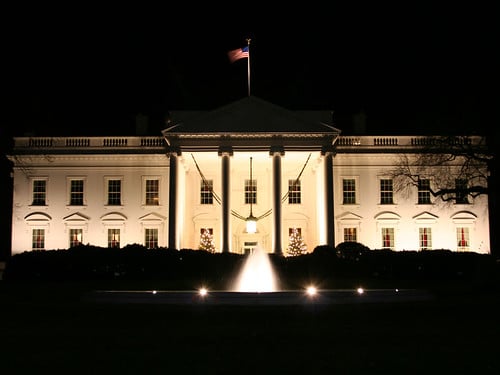
President Trump announced a plan to build a new ballroom in the east wing of the White House. He said donors would cover the nearly $200 million cost. However, leading Democrats see risk. They believe White House ballroom donations by tech giants could sway future decisions. Senator Elizabeth Warren and others are pushing for answers. They want to know if companies gave money to win favors.
Dem Leaders Probe White House Ballroom Donations
Senator Warren told a major newspaper she’s “deeply concerned” about quid pro quo. She stressed that firms giving big checks often need government approval on key deals. In addition, she noted that Apple, Amazon, Microsoft, Meta and Nvidia all have big business before federal regulators. Therefore, Warren and her colleagues are meeting with those companies. They plan to ask: Why did you donate? Did you discuss mergers or antitrust cases in return? A letter seen by reporters reportedly asks for details on any talks around those donations.
Why Democrats Are Worried
First, many of the companies involved are waiting on major rulings. For example, a massive studio merger seeks clearance, and antitrust probes loom over social media platforms. If a donor won easier approval or friendlier scrutiny, critics call it a payoff. Moreover, public trust in government can erode if people suspect backroom deals. In addition, history shows big gifts can help shape policy. Hence, lawmakers want full transparency. They aim to stop any hint of favoritism before it grows.
How the Renovation Plan Got Funded
Trump’s team confirmed on July 31 that private donations, not taxpayer money, would pay for the project. The statement said “patriot donors” pledged the necessary funds. It also noted the Secret Service will handle security upgrades. Among the named donors were Apple, Amazon, Microsoft, Meta, Nvidia and other major firms. Meanwhile, smaller businesses and wealthy individuals also chipped in. The plan would replace the existing East Room with a larger, more grand ballroom. Trump later described the design as “unlike anything ever done.”
Questions About Quid Pro Quo
Critics argue the timing and scale of the donations raise flags. They point out that big donors often have important cases pending before the White House. For instance, Amazon waited on an approval for a giant merger. Meta faced fresh antitrust actions. In addition, Microsoft eyed government contracts. Also, Nvidia sought export approvals. Therefore, if these firms gave money, they might hope for gentler treatment later. Senator Warren said, “It looks like a quid pro quo right in public.” She insists on clear answers to avoid any hint of corruption.
Hollywood’s Role in the Picture
In an unexpected twist, analysts see parallels in Hollywood. A recent report claimed movie studios may be “palm-greasing” the White House through film projects. For example, Paramount agreed to a sequel of Trump’s “Rush Hour” movies. Critics say this deal could help push a major studio merger through. One writer noted that a combined media giant could face big antitrust hurdles. However, working with Trump on a film might ease that process. Thus, some see corporate gifts and entertainment deals as two sides of the same coin.
What Trump Says About the Ballroom Project
President Trump insists the ballroom will enhance his presidential legacy. He said on camera, “Chief executives throughout history have contributed to making the White House special. Nothing of this magnitude has been done.” He argues private funding is a smart way to upgrade historic buildings. Also, he claims critics only complain because they can’t dream big. Trump hopes the new ballroom will host world leaders and grand events. He sees it as a signature achievement for his time in office.
Potential Impact on Business and Politics
If the investigation finds any quid pro quo, it could lead to hearings or even legal action. Companies might face fines or stricter rules on political donations. In addition, lawmakers could push for tighter ethics laws to curb private funding of public buildings. On the other hand, if nothing improper happened, donors could boast of making history. Meanwhile, public opinion may shift based on what the probe reveals. Finally, the controversy highlights how money and power still intertwine in politics.
Conclusion
The debate over White House ballroom donations shows how private funds can trigger big questions. While renovation without taxpayer money seems appealing, it also risks appearing like a trade. Democrats are determined to get answers from Apple, Amazon, Microsoft, Meta and Nvidia. They want to ensure no one bought influence with their checks. As investigations proceed, all eyes will stay on how those donations were arranged. Ultimately, this story could reshape rules on corporate giving and political favors.
Frequently Asked Questions
Why are Democrats concerned about these donations?
They worry companies may have given money to gain favorable treatment in future government decisions.
Who is leading the probe into these donations?
Senator Elizabeth Warren and several other Democratic representatives are seeking details from major tech firms.
What did Trump say about the ballroom project?
He called it a historic upgrade funded by private donors and crucial to his presidential legacy.
Could this lead to new donation rules?
Yes, lawmakers might introduce stricter ethics laws to limit private funding of public projects.