


Key Takeaways
- Senator Rand Paul warns that aggressive redistricting could spark violence.
- Both Republican and Democratic efforts at gerrymandering threaten fair representation.
- Citizens may feel voiceless if their votes no longer matter.
- Experts worry that extreme map drawing erodes trust in elections.
- Fair maps can reduce tension and protect democracy
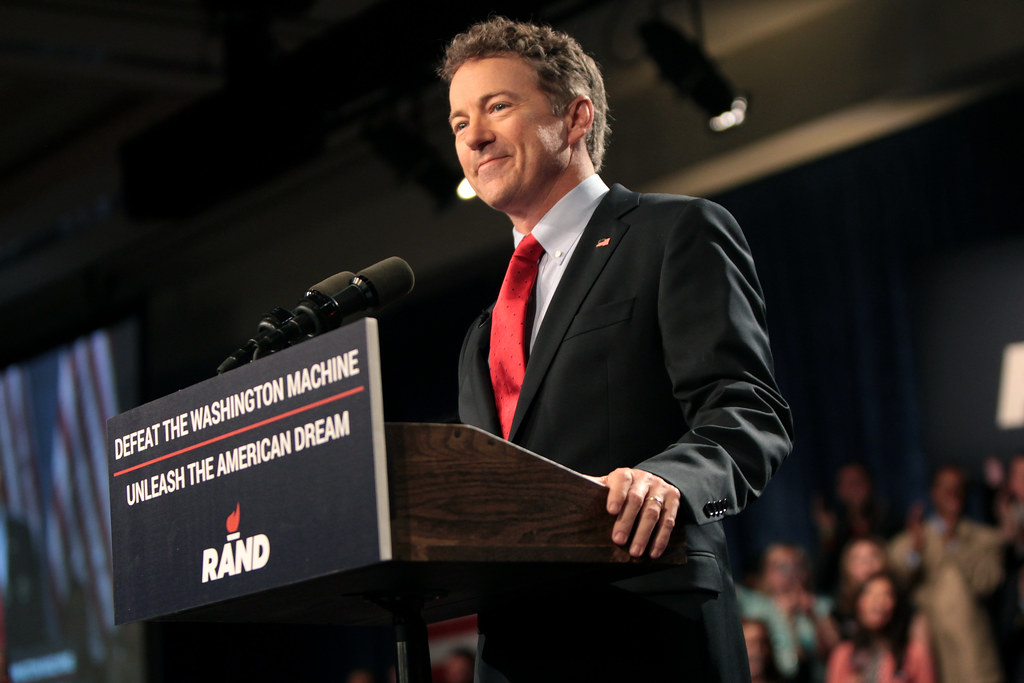
In recent weeks, Senator Rand Paul spoke out against heavy-handed redistricting moves in states controlled by both parties. He said extreme gerrymandering might push some people toward violence. His warning comes as lawmakers redraw congressional districts mid-decade to favor their own party. Many fear this “map war” could make Americans feel unheard and angry.
What Is Gerrymandering?
Gerrymandering means drawing voting maps to help one party win more seats. Instead of fair lines, map makers slice and pack voters to dilute their strength. They might spread a group thinly across many districts or pack them all into one. In both cases, that group loses real influence in choosing leaders. As a result, election results can look unbalanced or unfair.
How Gerrymandering Could Fuel Division
When people see maps drawn to block their voices, they grow frustrated. Moreover, they may feel the system works only for the powerful. For instance, in Texas, about 35 percent of voters lean Democratic. Yet some new maps would give them almost zero seats in Congress. Similarly, in solidly Republican states, leaders could carve up cities to shrink minority power. These moves leave large voter groups without a champion in Washington.
Why This Matters Now
In June, former President Trump urged Texas leaders to redraw maps so Republicans could gain extra seats. Other GOP and Democratic governors quickly followed. They saw a chance to lock in power for years. However, Senator Paul warns this tactic hurts public trust. He fears that when people see no point in voting, they might seek other ways to be heard. He said that frustration could turn into violence in some towns.
Rand Paul’s Warning
During a recent TV interview, Senator Paul made a clear point: if maps become too unfair, people will lose faith. He stressed that both parties share blame for extreme gerrymandering. He noted that California could end up with nearly zero Republican representatives. He argued that such imbalance makes voters on both sides feel ignored. Thus, Paul urged leaders to stop mid-decade changes and protect fair play.
How Citizens Feel Disenfranchised
When voters lack representation, they often feel powerless. They may ask, “Why bother voting if maps already pick the winners?” This sense of futility can gnaw at communities. Young people and minority groups might stop participating. Meanwhile, angry activists could turn to protests or threats. Over time, these actions can spiral into unrest. Fair maps, by contrast, help people trust the process again.
The Role of Courts and Reform Groups
Across America, civic groups and courts are fighting back. Legal teams challenge extreme maps in state and federal courts. Advocates push for independent commissions to draw districts fairly. Several states have passed laws to limit gerrymandering. These efforts aim to keep politicians from choosing voters. Instead, voters choose their politicians. Such reforms could reduce tension and restore faith in elections.
Possible Paths Forward
First, states could adopt nonpartisan commissions. These bodies use clear rules to draw fair lines. Second, lawmakers could set strict criteria on compactness and community integrity. Third, technology can offer transparent mapping tools open to public input. Finally, citizens can stay informed and vote out leaders who pursue extreme maps. Each step makes gerrymandering harder and elections fairer.
Protecting Democracy Together
Our democracy thrives when every vote counts. Fair districts ensure that all voices matter. They help people trust outcomes and stay engaged. Moreover, they reduce the risk of angry protests or worse. If we let map drawing become a secret weapon, we risk deep divides. By supporting transparent redistricting and independent oversight, we can keep our nation peaceful and united.
Frequently Asked Questions
What exactly happens in gerrymandering?
One party draws district lines to give itself an edge. They either concentrate opposing voters into one district or spread them thinly across many. Both tactics weaken those voters’ influence.
Why did Senator Rand Paul speak out now?
He saw rapid mid-decade map changes in several states. He believes this trend risks making voters feel voiceless and angry enough to turn violent.
Can courts stop extreme redistricting plans?
Yes. Courts can rule maps unconstitutional if they clearly favor one party. Several legal battles are already underway across the country.
How can citizens fight unfair maps?
Voters can back independent redistricting commissions. They can support campaigns for clearer mapping rules. They can also attend public hearings and voice concerns.