


Key Takeaways
- FBI Director Kash Patel defended his record on a new podcast.
- He pushed back at lawmakers over handling of a high-profile murder case.
- The interview aired just after the Brown University shooting.
- Patel faces growing criticism inside the FBI and talk of removal.
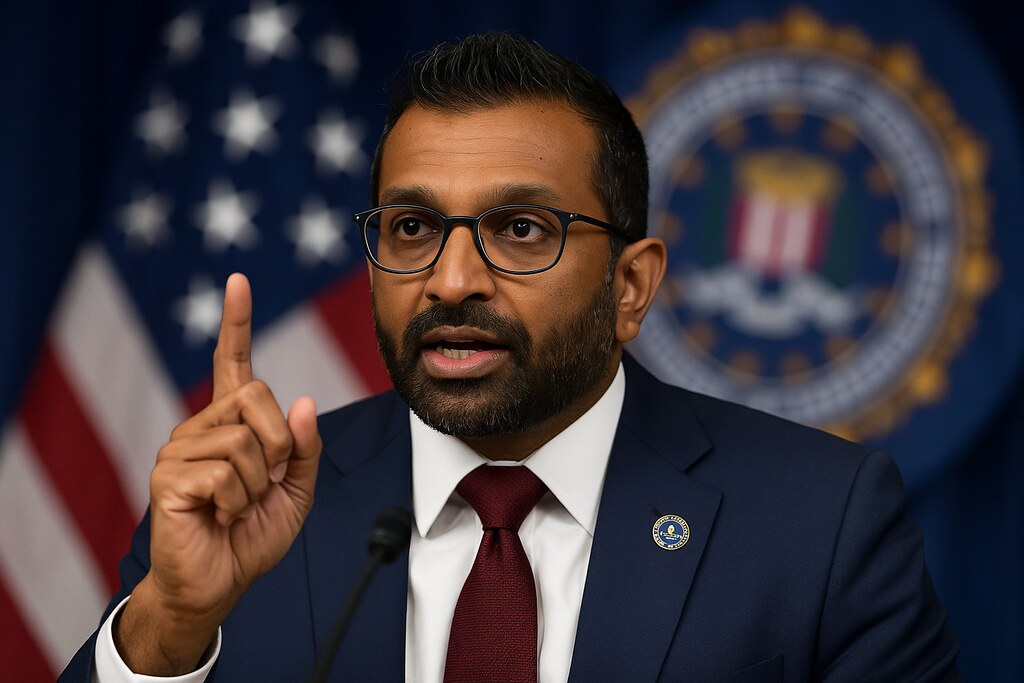
In a recent podcast appearance, FBI Director Kash Patel responded sharply to lawmakers who questioned his handling of major cases. He spoke with Katie Miller, wife of a former White House adviser, and even brought his girlfriend, country singer Alexis Wilkins. The interview dropped shortly after a tragic shooting at Brown University that killed two students and injured nine others.
Podcast Setting and Surprising Guests
On “The Katie Miller Podcast,” Patel and his partner joined host Katie Miller in a relaxed studio chat. Patel wore a casual suit, while Wilkins added a touch of country flair. Right away, Patel said he never expected the violence that claimed the life of conservative activist Charlie Kirk. He pointed out that law enforcement must guard against any threat, no matter how rare.
Moreover, Patel noted that the shooting at Brown University happened after their recording. He said it reminded him of how unpredictable violence can be. He added that FBI agents work around the clock to protect communities everywhere.
Addressing Murder Case Criticism
Later, Patel turned to the criticism he received over the handling of the Charlie Kirk murder. He called some members of Congress “grotesque” for blaming him directly. He said they had “nothing better to do” than point fingers. Then, he challenged them to explain what they had done to stop such crimes.
Actually, he insisted that most Americans would ask lawmakers, “What have you done lately to protect us?” He argued that those same critics had achieved “jack squat.” Then, with a dry smile, he said that was fine—he welcomed their comments—but urged them to focus on solutions.
Meanwhile, Patel stressed that the FBI must follow evidence and procedure. He said agents cannot rush conclusions just to please a few politicians. As a result, investigations take time. Still, he maintained that his team works with urgency and integrity.
Mounting Criticism Inside the FBI
Despite Patel’s confident tone, reports surfaced about low morale at the bureau. Some agents felt that their director was more focused on politics than on law enforcement. A news outlet said Patel seemed “paralyzed by fear” when making decisions. Others claimed he worried too much about public fault rather than solving cases.
In addition, rumors circulated that former President Trump might replace Patel. However, the White House publicly denied any move to force him out. Patel himself did not address those rumors on the podcast. Instead, he chose to highlight his recent actions. For example, he mentioned new task forces against cybercrime and domestic threats.
Furthermore, Patel described efforts to modernize the bureau’s technology. He said upgrades had already led to faster case resolutions. Then he praised the work of special agents, analysts, and support staff across the country.
Responding to Political Firestorms
Patel also discussed the growing divide in Washington. He accused some lawmakers of making the FBI a “political punching bag.” He warned that constant attacks could hurt the bureau’s reputation. Indeed, he said public trust is the FBI’s strongest asset. Once lost, it is hard to regain.
Therefore, Patel urged leaders on both sides of the aisle to respect law enforcement. He pointed out that crime prevention relies on community cooperation. If trust erodes, fewer people will share tips or serve on juries. In contrast, a united front against crime can yield dramatic results.
As an example, Patel recalled a recent sting that stopped a planned attack on a major event. He said FBI agents worked with local police, federal partners, and even social media companies to gather crucial clues. Ultimately, they arrested suspects before any harm occurred.
Future Outlook for the FBI
Looking ahead, Patel promised more transparency. He noted plans to release regular updates on major case progress. He also pledged to hold town halls with agents and community leaders. That way, he hopes to build stronger bonds and clear up misunderstandings.
Meanwhile, Patel will travel to major cities in the coming months. He plans to meet frontline agents and hear their challenges firsthand. Then, he will return to Washington with ideas to improve training, equipment, and morale.
Additionally, he wants Congress to fund new initiatives. For instance, Patel proposed a center for rapid cyber threat response. He said this hub could stop digital attacks on schools and hospitals within hours. He argued such funding would save lives and dollars in the long run.
In fact, Patel used the podcast to remind voters that public safety depends on constant improvement. He said the FBI cannot rest on past successes. Instead, it must adapt to new threats quickly. Otherwise, criminals will exploit any weakness.
Protecting Communities Together
Patel’s message on the podcast was clear: the FBI needs support, not endless blame. He challenged critics to step up and propose their own crime-fighting plans. Moreover, he asked communities to stay vigilant and report suspicious activity.
“In the end,” he said, “we all share responsibility for safety.” He thanked listeners for their trust and asked them to give his agents time and resources to do their jobs.
Only time will tell if Patel’s bold approach will calm the storm in Washington. For now, he stands firm, ready to defend the bureau he leads.
Frequently Asked Questions
What did Kash Patel say on the podcast?
He defended his handling of high-profile cases and clapped back at lawmakers who blamed him for the Charlie Kirk murder. He also highlighted recent FBI wins and plans for stronger community ties.
Why did Kash Patel mention the Brown University shooting?
He referred to it as a reminder of how sudden violence can be. He said it showed the FBI must stay alert to protect students and communities.
Is Khal Patel facing removal from his position?
Rumors suggested former leaders wanted him out, but the White House denied any plan to remove him. Patel did not directly address the talk of ousting.
How will the FBI change under Kash Patel?
He plans more transparency, regular updates on key cases, new cyber response teams, and better tech. He also aims to boost agent morale through town halls and direct feedback.