


Key Takeaways:
• Pro-MAGA hosts said President Trump’s speech felt empty and lacked major announcements.
• They called the Trump speech a “campaign pitch,” not a true presidential address.
• Hosts criticized the format and suggested adding a live audience for energy.
• They agreed the Trump speech missed a moment to deliver important news.
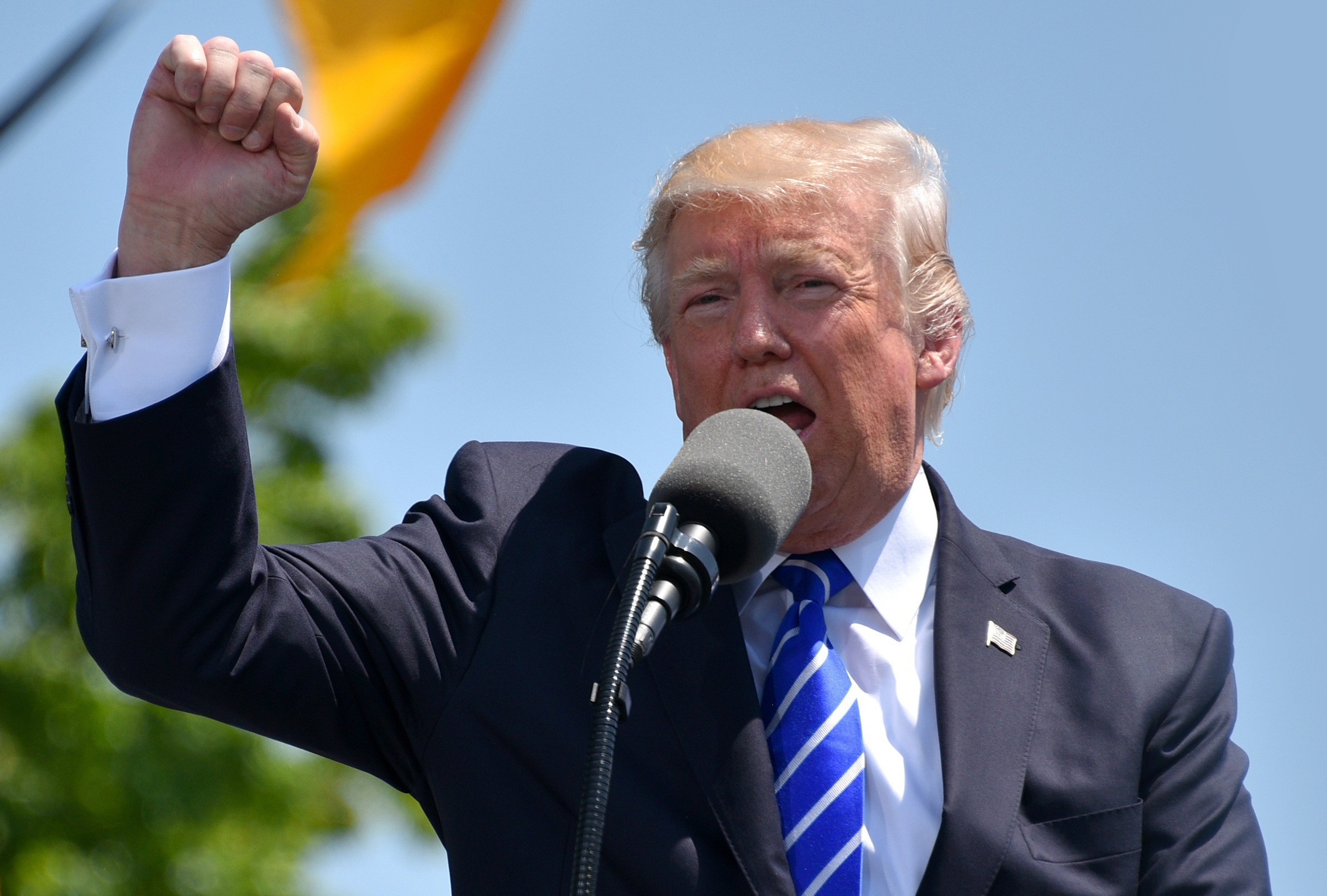
Last night’s Trump speech drew sharp criticism from three loyal supporters on Real America’s Voice. David Brody, Gina Loudon, and Terrance Bates all agreed the address fell flat. They felt it offered no new plans and seemed more like a campaign rally than a formal update from the White House.
What the hosts said
David Brody led the critique. He said, “That was a waste of time. Womp, womp. Where was the big reveal?” He felt the Trump speech lacked substance. He expected major news. Instead, he heard a PR-style talk. Brody missed the bold ideas that once marked White House speeches.
Furthermore, Gina Loudon called the Trump speech “a lull.” She said it felt slow and uninspired. Loudon suggested the show needed live faces in the room. She thought guests could have added energy. “Invite some people in. Make it feel real,” she urged. She wanted at least a few staffers or congressional allies watching in person.
Meanwhile, Terrance Bates agreed. He said the Trump speech was a miss. He described it as a standard campaign pitch, not the serious policy talk he expected. All three hosts agreed they did not understand the true goal of the speech.
Why they felt let down
First, they pointed out the lack of audience reaction. Modern presidential addresses often feature live applause and brief cheers. In contrast, this Trump speech used a silent studio setup. That made each line land without emotion. As a result, it felt disconnected.
Second, they missed a major policy reveal. Presidents often use such moments to share key plans or emergency measures. However, this Trump speech circled familiar talking points. It felt like a repeat of past campaign stops. Brody noted he was “used to yesteryear addresses” that brought big news.
Third, the hosts wanted clear action steps. They asked, “What next?” They felt the speech spoke in general terms. It used broad phrases about support and unity. Yet, it did not outline specific programs or deadlines. Consequently, the Trump speech felt vague.
How a strong address works
Presidential speeches aim to inform and inspire. In general, they include:
• A clear purpose: Why is the speech happening now?
• Major announcements: New policies, plans, or emergency rulings.
• Emotional connection: Stories or live audiences can spark feelings.
• Call to action: Steps for citizens or Congress to follow.
However, when any of these elements is missing, a speech can feel dull or unimportant. The hosts noted that the Trump speech left out at least two of these key parts.
What could improve future addresses
Invite a live audience
Adding people to watch in person gives energy. Even a small group of staffers or local guests can make lines feel stronger. Their applause and reactions break up long stretches of talking.
Share big news
Viewers tune in expecting new plans or decisions. If no fresh policy is ready, offer at least a sneak peek into upcoming ideas. That builds excitement.
Use real stories
Connecting a policy to a human story makes it memorable. A brief anecdote about a family affected by a new law can stick with viewers longer than charts or facts.
Keep it concise
Long speeches risk losing audience focus. Aim for clear points and end on a strong note. That leaves viewers with key messages in their minds.
Smooth transitions
Moving from one topic to the next helps listeners follow along. Phrases like “next” or “now let’s turn to” signal changes. Thus, the speech feels organized and easy to digest.
The bigger picture
Presidential addresses often serve multiple purposes. They can comfort people during a crisis, rally support for new laws, or set the tone for future plans. In this case, the hosts felt the Trump speech tried too hard to sound like a campaign ad. That muddled its core mission.
Moreover, critics say audiences expect drama. They want a moment that stops the news cycle. A bold announcement or a fresh idea fits the bill. Without that, even loyal fans can feel let down.
Transitioning from campaign mode to presidential mode is a challenge. Campaign rallies cheer familiar slogans. Presidential addresses demand more detail and gravitas. One TV host noted that mixing the two can weaken both styles.
Lessons for all leaders
Even outside the White House, these tips apply. Whether a school principal speaks at graduation or a CEO gives a keynote, strong addresses share these traits:
• Clear purpose
• Audience engagement
• New information
• Emotional hooks
• Brief and direct language
Leaders who understand this connect better with their crowd. They leave a stronger impact and spark real discussion later.
Looking ahead
While the hosts savored their chance to critique, they remained hopeful. They still support the president and want his next statement to shine. They urged him to take this feedback and give the public a true presidential address next time.
Pros will watch closely. If the next Trump speech features live reactions or new proposals, the tone may change. Fans and critics alike will count how many times it truly feels like a presidential address, not just another campaign stop.
Curiosity remains high. People will ask: Can the next Trump speech strike the right balance? Will it offer new ideas and engage viewers? Time will tell if the president and his team take these pointers to heart.
Frequently Asked Questions
What exactly did the hosts dislike about the speech?
They felt it sounded like a campaign ad and lacked new announcements. They also missed a live audience reaction.
How can a presidential address feel more important?
By sharing major news, inviting a live audience, and using emotional stories to connect with viewers.
Why is a live audience so crucial?
Audience reactions add energy. They break up long speeches and help listeners feel inside the moment.
Will this feedback change future presidential speeches?
It might. If leaders value viewer response, they will add missing elements to make future speeches stronger and more engaging.