


Key Takeaways
- The Supreme Court refused to pause a lower court’s ban on sending troops to Chicago.
- Three conservative justices joined three liberals to block Trump’s order.
- The Court said Trump probably cannot win when the case goes forward.
- Experts praised the ruling for limiting presidential power over states.
- The decision focuses on a law meant for times when the U.S. military alone can’t enforce federal law.
What the Supreme Court Decided
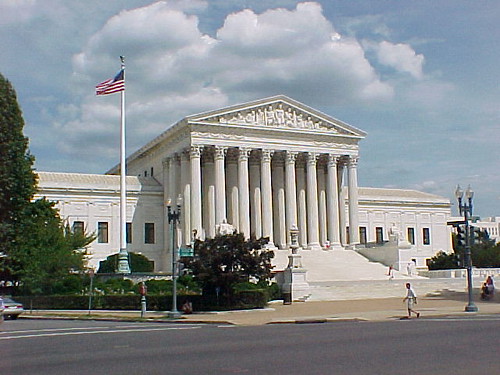
In a rare split, the Supreme Court denied President Trump’s request to federalize the National Guard for Chicago. The justices refused to pause a decision from a lower court. That decision stopped Trump from using a specific law to send Guard troops. By blocking his move, the Court signaled he likely lacks legal ground.
Chief Justice Roberts joined with Justices Kagan and Sotomayor and three conservatives. They ruled the administration is unlikely to win when courts fully review the case. Therefore, Trump cannot use that law to deploy Guard forces in Illinois right now.
Why the National Guard Ruling Matters
This ruling marks a big check on executive power. It underlines that a president cannot bypass strict requirements in old laws. Moreover, it shows the justices worry about federal overreach into state affairs. As a result, cities and states gain stronger protection from troops arriving without clear legal backing.
Legal experts on social media praised the decision. They said it upholds the rule of law and avoids a dangerous precedent. In fact, a conservative attorney hailed the Court for following sound logic. A state attorney general noted it confirms Trump broke the law by ordering Guard troops. Consequently, this case will shape future battles over when the president can call the Guard.
How Trump Tried to Federalize the National Guard
Instead of using the Insurrection Act, Trump relied on a law from the early 1900s. That law lets the president use Guard troops only if “regular forces” cannot enforce federal laws. Legal scholars say “regular forces” refers to the U.S. military, once called “the regulars.” Yet, Trump never proved that the military was too weak or busy.
Furthermore, the president did not invoke the Insurrection Act. That law offers broader powers in rebellions or emergencies. By choosing the stricter law, Trump set high hurdles for himself. The Court agreed those hurdles were not met. It also noted he lacks inherent power to send troops just to protect federal property.
Reactions from Legal Experts
Conservative attorney Gregg Nunziata wrote that the decision followed solid logic. He praised the Court for sticking to the Society for the Rule of Law Institute’s brief. New Jersey’s attorney general said the Court validated their stance. He felt proud to stand with colleagues who fought the unlawful deployment.
American Immigration Council senior fellow Aaron Reichlin-Melnick called the ruling “hugely consequential.” He credited a law professor’s brief for clarifying the “regular forces” phrase. Before that brief, courts avoided the issue. Now, the Supreme Court agreed the phrase limits presidential power.
What Happens Next in Court
Since the stay was denied, the lower court’s ban remains in effect. Trump’s team must now argue the merits of the case. They will need to prove the U.S. military truly could not handle law enforcement in Chicago. Otherwise, the president cannot use that old law again.
Meanwhile, states and cities will watch closely. Any future attempt to federalize Guard troops faces a tough climb. Indeed, this decision sets a high bar for proving a military shortfall. If Trump loses on the merits, the ruling could block similar moves by future presidents.
Implications for Federal and State Power
This case highlights the tension between federal authority and state sovereignty. Governors ordinarily control their National Guard unless federalized. By restricting when the president can override them, the Court protects local control.
Moreover, the decision discourages presidents from picking the easiest legal path. They must choose the correct law and meet its conditions. Otherwise, courts will check their power swiftly. As a result, the balance between national security and state rights stays more secure.
Key Points from the Majority Opinion
The majority opinion focused on two main ideas. First, the law’s text requires a genuine inability of regular forces. Second, the president cannot claim broad power to deploy military for all federal laws. The Court stressed that allowing unchecked use of troops would upset the balance of power.
Additionally, the justices noted existing laws cover most emergencies. If needed, the Insurrection Act and other statutes grant needed authority. The president must use those tools rather than stretch old laws beyond their scope.
What Critics Say
Some critics argue the decision weakens the president’s ability to act in emergencies. They fear a slow response when states face unrest. However, supporters counter that Congress can update laws if more flexibility is needed. This case underlines the need for clear rules on using force within U.S. borders.
How the Ruling Affects Future Deployments
State leaders can take comfort that they retain Guard troops unless strict standards apply. Future presidents will hesitate before using that early 20th-century law. Instead, they will likely turn to more modern statutes. In the end, this decision promotes careful legal review before deploying armed forces on American soil.
Conclusion
By blocking Trump’s bid to federalize the National Guard, the Supreme Court reinforced limits on executive power. It stressed that presidents must use the proper law and meet its conditions. Legal experts hailed the ruling for protecting state rights and the rule of law. Going forward, both federal and state leaders will navigate these rules to maintain order without overstepping legal bounds.
FAQs
What conditions must a president meet to federalize the National Guard under the contested law?
The president must show regular U.S. military forces cannot execute federal laws. He must prove this inability before sending National Guard troops.
Why didn’t Trump use the Insurrection Act?
Trump chose the older law with stricter prerequisites. He may have thought it fit his goals better. However, it set a high legal bar he could not clear.
Can future presidents still send Guard troops to states?
Yes, but they must meet legal requirements. They can use the Insurrection Act or prove regular forces are insufficient, depending on the situation.
What does this decision mean for state governors?
Governors retain primary control over their Guard troops. They gain reassurance that federal deployment cannot happen without clear legal grounds.