


Key Takeaways
- The Supreme Court ruled that the government lacks power to federalize the National Guard in Illinois.
- Three justices dissented in a rare split decision.
- The ruling blocks Guard deployment at the Broadview ICE detention center.
- It could affect troop deployments in other cities.
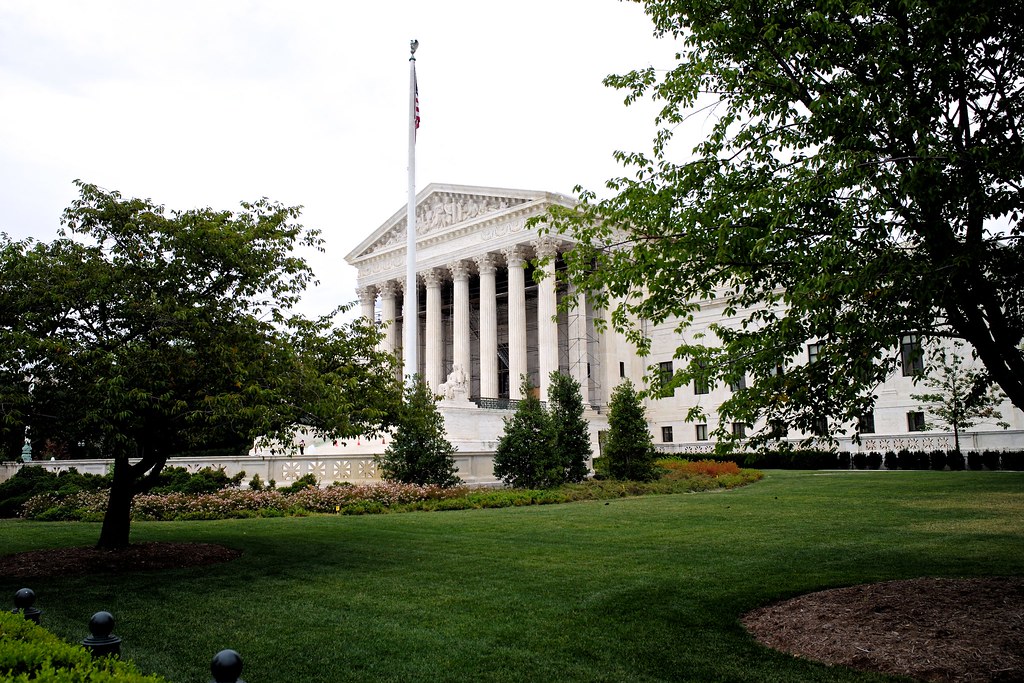
On Tuesday, the Supreme Court dealt a setback to the Trump administration by stopping a plan to send the National Guard to Illinois. At this early legal stage, the court said the administration could not identify a clear law that lets the military enforce state rules. This decision raises fresh questions about how far the federal government can go.
The Supreme Court Decision Explained
In its unsigned order, the court noted the administration “failed to identify a source of authority” for using the National Guard in Illinois. The ruling pointed out that the Guard can usually serve under state control, but federalizing it carries different rules. Therefore, the court paused the deployment until the legal questions get settled in lower courts.
Three Justices Dissent
Justices Alito, Thomas, and Gorsuch strongly disagreed with the majority. They argued the administration has authority to use federal troops when needed. Their dissent highlights deep disagreement about dividing power between states and the federal government. However, the dissent did not stop the order from taking effect.
Why the National Guard Order Came Up
Last month, the president ordered Guard troops to help secure ICE agents near a detention center in Broadview. The goal was to protect agents enforcing immigration laws. Yet critics said this step bypassed state rights and the usual chain of command for the Guard. Now, the Supreme Court has put that plan on hold.
Impact on ICE Operations
With this ruling, the Guard cannot deploy at the Broadview ICE detention center. ICE must rely on local police or its own officers for security. This shift could slow down some operations until lower courts weigh in. It also sets a boundary on using military forces to back up immigration agents.
Possible Effects in Other Cities
Moreover, lawyers challenging similar orders in other cities now have this ruling to cite. They can argue the federal government again lacks clear authority. Therefore, cities like Detroit or New Orleans may see new legal battles. This decision may ripple across the nation as more cases move forward.
How Lower Courts May React
Once a case returns to a lower court, judges will review legal documents and hear arguments. They will decide if the administration really showed proper authority under federal law. Depending on that outcome, the Supreme Court might step in again. This process could drag on for months or years.
Why This Matters for Federal Power
This ruling shines a spotlight on limits of presidential power. It shows that even in tense security matters, the courts demand clear legal backing. When the government wants the military to act inside a state, it must point to a specific law or constitutional rule. Otherwise, judges may block it.
Reactions Around the Country
Legal experts said this decision marks a rare check on the Trump administration by the Supreme Court. Some state officials welcomed the ruling as a victory for state sovereignty. Meanwhile, immigration advocates said they fear disruptions in enforcement. Both sides are watching closely to see what comes next.
What Comes Next
Now, the case will head back to district court for more hearings. The administration can still offer new legal reasons. Opponents will push back by citing the Supreme Court’s warning. If lower courts disagree, the issue may return to the high court for a final word.
Looking Ahead for National Guard Use
In the months ahead, officials must think twice before sending the National Guard under federal orders. They may turn to new laws or ask Congress to pass clearer rules. Otherwise, they risk facing more legal defeats at the high court. This case may trigger broader debates on military roles at home.
Conclusion
The Supreme Court’s decision to block the National Guard in Illinois signals fresh limits on federal reach. It underscores the need for clear legal authority whenever the military enforces the law inside a state. As the case moves through lower courts, it may define how and when the Guard can serve under federal control.
FAQs
What does this ruling mean for future troop deployments?
This decision shows the Supreme Court expects clear legal backing when the National Guard acts inside a state. Future deployments will likely face similar scrutiny unless Congress spells out authority.
Could other states challenge Guard deployments now?
Yes. States and cities can use this ruling to argue the federal government lacks power. Similar cases may emerge in courts across the country.
What happens if lower courts disagree with this order?
If lower courts side with the administration, the case could return to the Supreme Court. The high court may then issue a more detailed ruling on federal power.
How might Congress respond to this decision?
Congress could draft new laws clarifying when the National Guard can serve under federal orders. Lawmakers may hold hearings to address concerns about military roles in civilian settings.