


Key Takeaways
• The Supreme Court blocked Trump’s plan to deploy the National Guard in Chicago.
• A federal judge barred the administration from revoking lawyer Mark Zaid’s security clearance.
• Experts warn these legal setbacks could shape Trump’s 2026 campaign outlook.
• The rulings show that judicial oversight remains strong despite political pressure.
As Trump prepares for a likely 2026 run, he faces two major legal setbacks. These court decisions challenge his power to use the military and to strip critics of security access. Both rulings came in December, ending what had seemed like an unbroken string of wins for his team. Moreover, they highlight limits on presidential authority. For Trump, the legal setbacks serve as a reminder that even a friendly judiciary can push back.
Supreme Court Rebuke Among Legal Setbacks
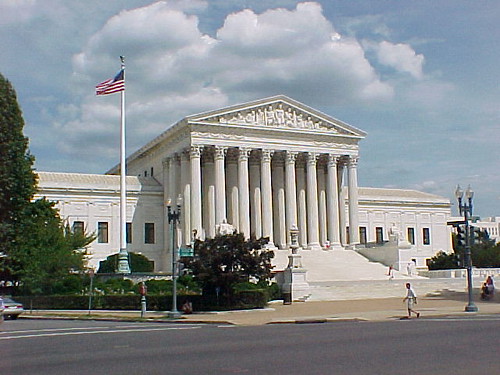
In early December, the Supreme Court rejected Trump’s bid to send the National Guard to cities whenever he chose. He had asked for permission to deploy troops in Chicago after agents faced threats during immigration operations. However, the conservative majority did not accept this view. The court said no law lets the president use the military to enforce domestic rules in Illinois. This ruling upheld the Posse Comitatus Act, which bars U.S. troops from acting as police at home.
In his appeal, Trump argued that violence against officers justified military aid. Nevertheless, the court found no legal source to allow troops to enforce immigration laws. Justice opinions noted that Congress must grant clear permission before the executive can deploy soldiers on U.S. soil. As a result, this legal setback sets a clear boundary on presidential reach. It also marks a rare time when the current court limited Trump’s power, despite its conservative tilt.
Security Clearance Ruling Adds to Trump’s Troubles
Shortly after the Supreme Court decision, a federal judge in Washington issued a preliminary injunction on another front. U.S. District Judge Amir H. Ali stopped the administration from denying security access to attorney Mark Zaid. Zaid is known for defending whistleblowers across party lines for over thirty years. The government had aimed to strip his clearance, but the court found that move unlawful without proper review.
Judge Ali gave the administration until mid-January to file an appeal, and Trump’s team is expected to challenge the order. Yet, the ruling offers hope that judicial checks remain intact. As a result, experts say these legal setbacks could deter the executive branch from unchecked actions. The decision also sends a message that critics cannot be silenced through clearance revocations.
Implications for 2026
Both of these rulings could influence the 2026 campaign landscape. First, the blocked National Guard move underlines that Trump cannot easily expand executive power. Second, the security clearance case shows that courts will defend individual rights against political retaliation. Therefore, opponents may feel emboldened to challenge future policies in court. Meanwhile, Trump’s team will likely frame both losses as another example of a biased system working against him.
Moreover, voters who value strong checks and balances might see these outcomes as a win for democracy. Nevertheless, Trump’s base may view them as proof of a judiciary stacked against conservative goals. In either scenario, these legal setbacks ensure that court battles will continue to grab headlines. As Trump gears up for the next cycle, he will need to navigate a legal environment that sometimes limits presidential freedom.
Next Steps and What to Watch
Trump is expected to appeal both decisions quickly. Legal experts will track filings in the Supreme Court and the district court in Washington. Observers will also watch for other cases that test the limits of executive authority. In addition, Congress may consider clarifying rules around domestic troop deployment and security clearance processes. Therefore, these legal setbacks could spark new debates in Washington.
For now, Trump’s team must weigh the benefits of aggressive appeals against the risk of further losses. Meanwhile, opposition groups will likely file more suits on policy issues. Consequently, courtrooms may become key battlegrounds ahead of 2026. Ultimately, these developments remind everyone that the judiciary remains a vital check on presidential power.
FAQs
What was Trump’s plan for using the National Guard?
He wanted to deploy troops in cities like Chicago to help immigration agents. The Supreme Court said no law lets him do this domestically.
Why did the court block revoking Mark Zaid’s clearance?
A judge found the administration lacked proper legal authority to strip his security access without fair process.
How do these rulings affect Trump’s 2026 campaign?
They limit his ability to expand executive power and signal that courts will guard against political moves.
Could Congress change the Posse Comitatus Act after these setbacks?
Yes, lawmakers might revise rules on domestic troop use or security clearances to clarify presidential power.