

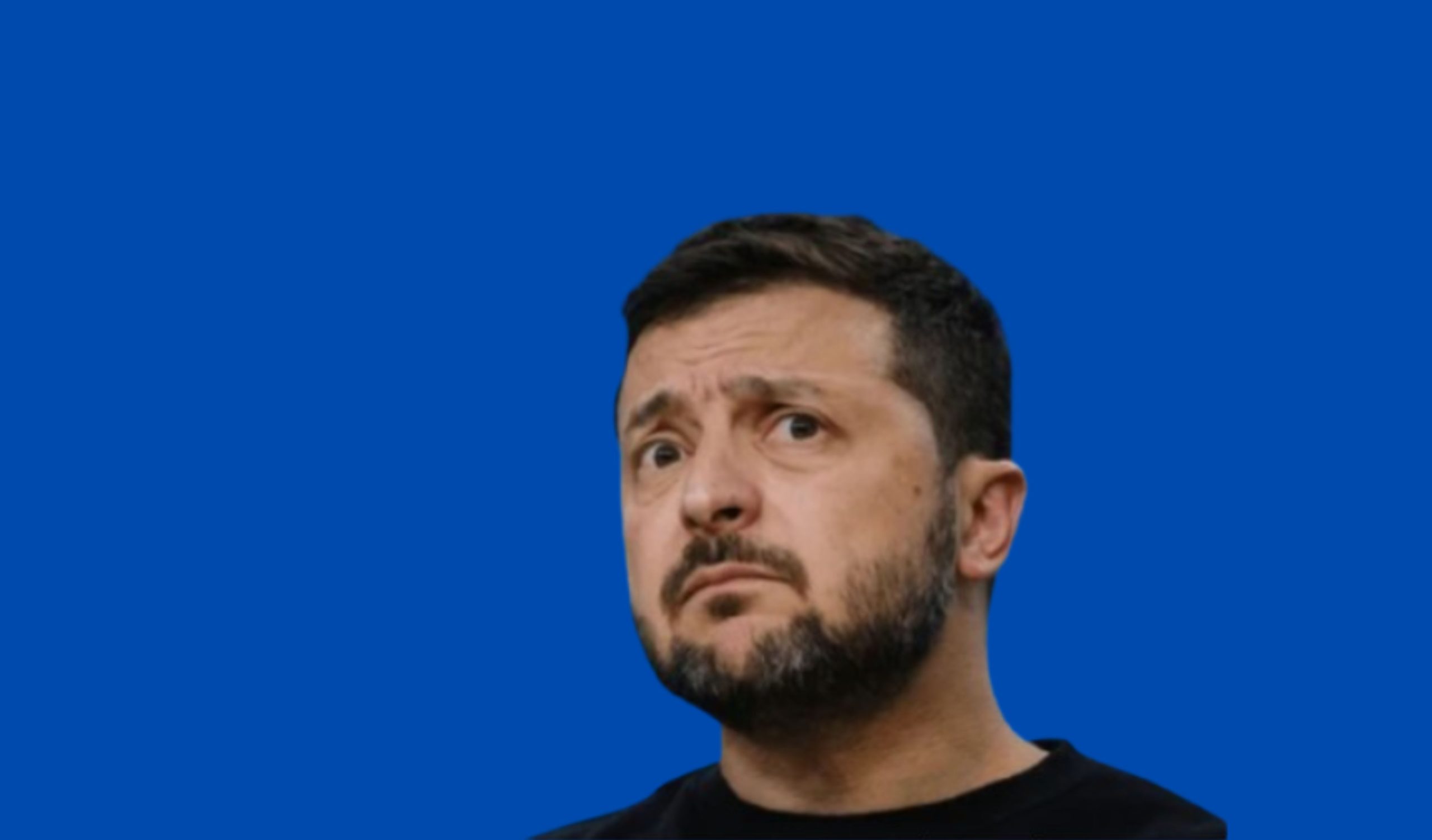

The United States is intensifying diplomatic efforts to secure progress on a Ukraine Russia peace deal by early summer 2026, according to statements from Ukrainian President Volodymyr Zelensky, as the prolonged war shows few signs of resolution.
Speaking through official channels, Zelensky said Washington has urged Kyiv and Moscow to consider a defined timeline for negotiations, reflecting growing international concern over the conflict’s long-term economic, security, and geopolitical consequences. While talks have repeatedly stalled, U.S. officials appear increasingly focused on determining whether a structured deadline could push discussions forward.
The renewed push comes as the war enters another critical phase, with battlefield dynamics largely frozen and diplomatic efforts failing to bridge deep divisions over territory, security guarantees, and future alliances.
U.S. Pushes for Structure in Ukraine Russia Peace Deal Talks
According to Zelensky, U.S. representatives have emphasized the need for a clearer framework to guide negotiations. Rather than open-ended discussions, Washington is reportedly seeking measurable steps that could indicate whether a Ukraine Russia peace deal is realistically achievable.
“They want clarity,” Zelensky said, referring to American officials involved in diplomatic outreach. “Without structure, talks risk becoming symbolic rather than meaningful.”
U.S. officials have not publicly confirmed specific deadlines but have signaled frustration with stalled diplomatic channels. Analysts say the approach reflects a broader strategy to test Russia’s willingness to engage seriously, rather than allowing negotiations to drift indefinitely.
Ukraine’s Position Remains Firm on Sovereignty
From Kyiv’s perspective, any Ukraine Russia peace deal must preserve Ukraine’s sovereignty and internationally recognized borders. Zelensky reiterated that Ukraine cannot accept agreements that legitimize territorial occupation or weaken its long-term security.
Ukrainian leaders argue that concessions under pressure would set a dangerous precedent and undermine international law. They have also stressed that peace without enforceable security guarantees could leave the country vulnerable to renewed aggression.
Western allies broadly support this position, although behind-the-scenes discussions suggest growing concern over the war’s sustainability and its ripple effects across global markets and security alliances.
Proposed U.S.-Hosted Talks Signal Deeper Involvement
Zelensky disclosed that the United States has proposed hosting a new round of negotiations, potentially on American soil, as early as next week. While details remain limited, the proposal underscores Washington’s intention to play a more direct role in shaping the path toward a Ukraine Russia peace deal.
Kyiv has confirmed its readiness to attend, viewing participation as essential despite skepticism about Moscow’s intentions. Russian officials have not publicly committed to the talks, raising uncertainty over whether the meeting will proceed as planned.
If held, the discussions would mark one of the most significant diplomatic initiatives led by the United States since the early months of the conflict.
Core Disputes Continue to Block Progress
Despite renewed momentum, fundamental disagreements remain unresolved. Ukraine continues to demand long-term security arrangements designed to deter future attacks, including sustained military and economic support from Western partners.
Russia, by contrast, has opposed any outcome that would deepen Ukraine’s integration with Western military structures. Moscow has also insisted on security terms that Kyiv and its allies view as incompatible with Ukrainian independence.
These opposing positions have repeatedly stalled negotiations, leading experts to caution that even intensified U.S. pressure may struggle to deliver a comprehensive Ukraine Russia peace deal in the near term.
Rising Global Pressure to End the Conflict
The renewed diplomatic push reflects broader international fatigue with the war. Governments across Europe and Asia remain concerned about energy markets, defense spending, and regional instability linked to the ongoing fighting.
U.S. policymakers face growing domestic and international pressure to demonstrate progress, even if a full peace agreement remains elusive. Some analysts believe Washington may be aiming for an interim framework that reduces hostilities and establishes confidence-building measures.
However, Ukrainian officials have warned against rushed compromises, arguing that incomplete settlements could create long-term instability rather than lasting peace.
Balancing Urgency With Caution
Zelensky has consistently emphasized that while Ukraine is open to dialogue, any Ukraine Russia peace deal must be durable. He has warned that timelines imposed without genuine compromise risk producing agreements that fail under pressure.
Past peace initiatives mediated by third parties have struggled to move beyond symbolic gestures, reinforcing skepticism among Ukrainian leaders and international observers alike.
Still, Kyiv maintains that participation in talks remains essential, if only to demonstrate commitment to peaceful resolution and maintain international support.
Uncertain Path Ahead
While U.S. efforts have injected new urgency into diplomatic discussions, there is little indication that either side has significantly altered its core demands. The success of any Ukraine Russia peace deal will depend on whether negotiations can progress from exploratory dialogue to substantive compromise.
For now, Washington’s push for an early summer timeline highlights growing global pressure to end one of the most consequential conflicts of the decade. Whether this latest initiative represents a turning point or another stalled attempt remains uncertain.
What is clear, however, is that the coming months will be critical in determining whether diplomacy can succeed where prolonged conflict has failed.