

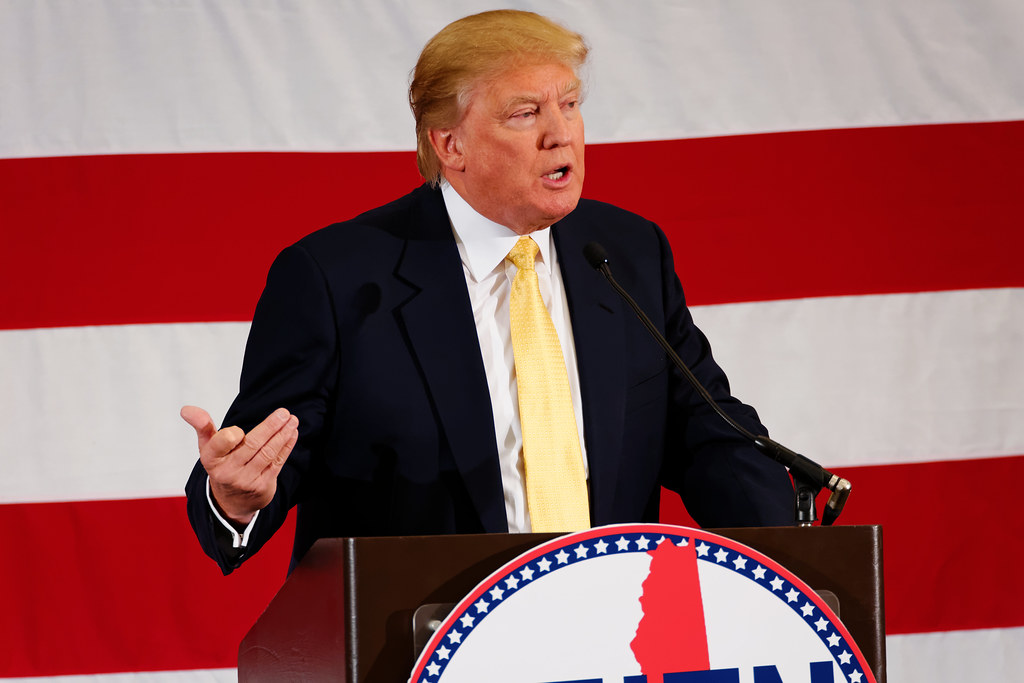

Trump inflation claims have returned to the center of the U.S. political debate as the 2026 election cycle begins to take shape. In recent speeches and interviews, former president Donald Trump has repeatedly argued that inflation is no longer a serious problem for American households.
He has described price pressures as “over,” “handled,” or “dramatically reduced,” framing inflation as a resolved issue rather than an ongoing challenge. These statements are being used to reinforce a broader narrative of economic strength and leadership.
However, for many Americans, everyday expenses continue to feel high. Housing, groceries, insurance, and healthcare costs remain elevated compared to pre-pandemic levels, creating a visible gap between political messaging and household experience.
Trump Inflation Claims Reemerge on the Campaign Trail
Over the past several months, Trump inflation claims have been a recurring theme across rallies, televised interviews, and campaign-style events. In multiple appearances, Trump has pointed to declining inflation rates as evidence that price pressures are no longer a threat.
His messaging frequently references official inflation data showing that year-over-year inflation has slowed from its peak levels. These figures are presented as proof that the economy is stabilizing and that Americans should feel financial relief.
Yet economists consistently emphasize that a slowdown in inflation does not mean prices are falling. Instead, it means prices are rising more slowly than before. For consumers, this distinction is critical.
Inflation Slowing Does Not Mean Prices Are Lower
Economic data shows inflation has moderated from historic highs, but price levels remain elevated. This difference is often misunderstood in public debate.
Housing costs remain one of the largest pressures on household budgets. Rent prices, mortgage payments, and property taxes continue to consume a larger share of income for many families, especially in urban and suburban areas.
Food prices also remain high despite slower growth. While grocery inflation has cooled, the overall cost of food remains significantly above levels seen before 2020.
Insurance premiums, including health, auto, and home insurance, have also risen sharply. For many households, these costs are unavoidable and contribute to ongoing financial stress.
What Official Data Shows About Household Costs
According to data from the U.S. Bureau of Labor Statistics, price stability does not reverse earlier increases. Once prices rise, they rarely return to previous levels without significant economic contraction.
This explains why Trump inflation claims may feel disconnected from daily experience. Even if inflation rates improve, households still face higher baseline costs.
The Federal Reserve has repeatedly explained this difference in public communications, noting that slowing inflation does not mean cheaper living. It simply signals that prices are not increasing as quickly as before.
For consumers, affordability matters more than technical definitions.
Messaging Gaps in Economic Communication
One criticism raised by analysts is that Trump inflation claims focus heavily on statistical improvement while offering limited acknowledgment of ongoing affordability challenges.
Voters tend to judge the economy based on their ability to pay rent, buy groceries, and manage bills. When messaging emphasizes victory without addressing persistent strain, it can create skepticism.
Polling data consistently shows that inflation and cost-of-living concerns remain among the top issues for American voters, across party lines.
Ignoring these concerns risks appearing disconnected from everyday realities.
Campaign Rhetoric Versus Policy Detail
Another pattern observed in recent speeches is a shift away from detailed economic policy discussions. While Trump inflation claims dominate headlines, speeches often pivot toward immigration, foreign policy, or political grievances.
In some cases, discussions of inflation are brief and lack specific proposals to address high costs. Analysts argue that voters increasingly want clarity on how leaders plan to improve affordability, not just declarations of success.
Economic messaging without concrete solutions may struggle to persuade undecided voters.
Republican Strategists Express Caution
Within Republican circles, some strategists have privately raised concerns about how Trump inflation claims are received by swing voters.
While loyal supporters may accept optimistic framing, undecided voters may feel their experiences are being dismissed. Telling voters inflation is defeated while they continue to struggle financially can weaken trust.
Political consultants emphasize that empathy plays a crucial role in economic communication. Recognizing hardship often matters as much as presenting data.
Understanding Inflation Versus Affordability
A central challenge in the public debate is the difference between inflation and affordability. Inflation measures the speed of price increases, not whether prices are affordable.
Even when inflation slows, households may still struggle because wages have not kept pace with cumulative price increases. This gap shapes public perception more than economic charts.
This helps explain why Trump inflation claims resonate unevenly. Some voters accept that inflation is slowing, while others feel no improvement in their daily lives.
For official explanations of this distinction, readers can refer to guidance published by the Federal Reserve.
Political Stakes Moving Forward
Inflation remains one of the most sensitive issues ahead of the election. Trump’s framing positions him as a leader who believes the problem is largely solved.
However, political analysts warn that oversimplifying inflation risks alienating voters who continue to face high living costs. Economic credibility depends on aligning messaging with lived experience.
As the campaign progresses, candidates who directly address affordability may gain an advantage.
Conclusion
Trump inflation claims highlight improvements in economic indicators, but many Americans continue to judge the economy through the lens of everyday expenses.
The gap between inflation data and household affordability remains a central challenge in political messaging. While inflation may be slowing, prices remain high, and financial pressure persists for millions of families.
As voters evaluate economic leadership, how candidates acknowledge and respond to these realities may shape trust, credibility, and ultimately, electoral outcomes.