


The AI spending boom sweeping through the United States has moved beyond software development and corporate balance sheets. In 2026, it is increasingly shaping the real economy, placing pressure on labor markets, energy systems, construction capacity, and global supply chains. What began as an aggressive push by technology firms to secure leadership in artificial intelligence is now producing tangible shortages that extend far beyond the tech sector.
Across multiple industries, demand generated by AI investment is outpacing the ability of infrastructure and labor markets to respond. Economists say this imbalance is creating a new form of scarcity driven not by economic downturns or supply shocks, but by the speed and concentration of capital flowing into AI-related projects.
A Scale of Investment Rarely Seen Before
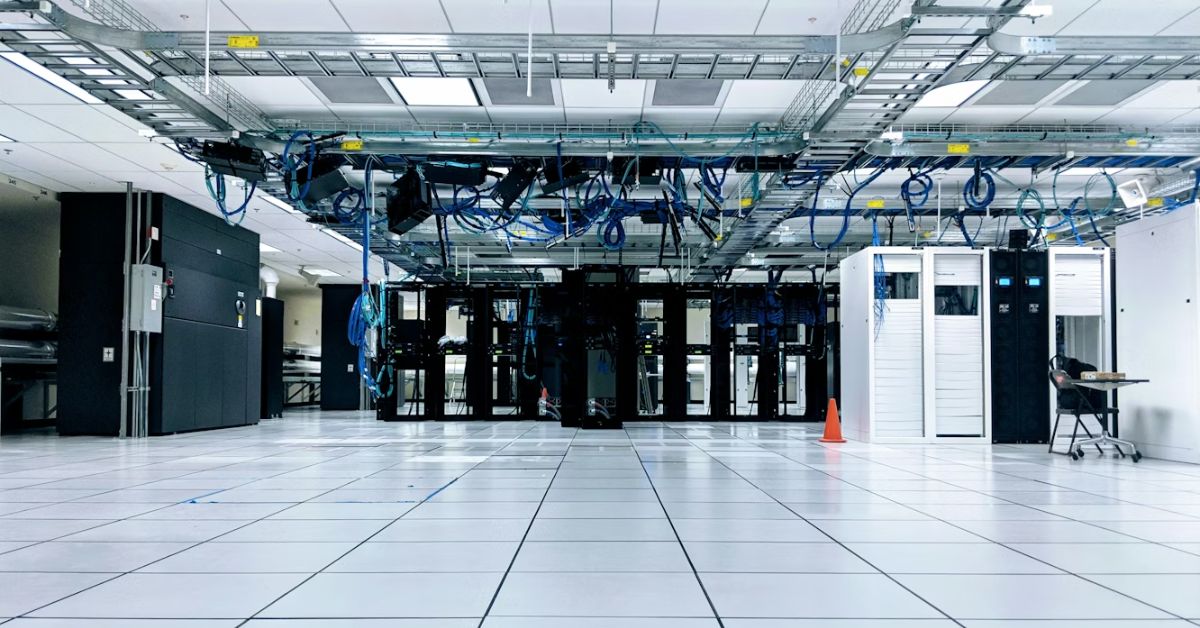
The current AI spending boom differs from previous technology cycles in both scale and intensity. Unlike consumer technologies such as smartphones or social media, artificial intelligence requires vast physical infrastructure. Data centers must be built at unprecedented size, filled with advanced processors, cooling systems, and energy-intensive equipment.
Major technology firms are committing hundreds of billions of dollars to AI development within compressed timelines. That surge is placing strain on construction pipelines, land availability, electrical capacity, and permitting processes. Many regions were not designed to absorb such rapid infrastructure expansion.
Economists note that the challenge is not a lack of overall investment, but the concentration of spending in specific geographic areas and industries at the same time.
Labor Markets Feel the Pressure
One of the clearest effects of the AI spending boom is emerging in skilled labor markets. Demand for electricians, data center technicians, HVAC specialists, and network engineers has risen sharply. These workers are essential to building and maintaining AI infrastructure, and competition for their services has intensified.
Construction companies report project delays as skilled workers are drawn toward higher-paying AI-related jobs. Housing developments, public infrastructure projects, and commercial construction are increasingly competing with data centers for the same labor pool.
Local governments are also feeling the impact. Municipal projects face rising costs and longer timelines as labor shortages persist, particularly in fast-growing regions where AI investment is most concentrated.
Energy Systems Under Growing Strain
Artificial intelligence systems are energy-intensive by design. Large data centers consume enormous amounts of electricity, often equivalent to the usage of entire towns. As the AI spending boom accelerates, utilities across the country are struggling to expand grid capacity quickly enough.
In several states, power providers have warned that new data center connections may be delayed without significant upgrades to transmission lines and substations. These upgrades can take years to complete and require billions in capital investment.
The strain does not remain confined to technology firms. Higher electricity demand increases the risk of regional price hikes, strains peak-load capacity, and raises concerns about grid reliability during extreme weather events.
According to the U.S. Energy Information Administration, electricity demand from data centers is expected to rise sharply through the second half of the decade, placing sustained pressure on energy infrastructure.
Semiconductor Supply Shifts Toward AI
The AI spending boom is also reshaping global semiconductor markets. Advanced chips used for AI training and inference are absorbing a growing share of manufacturing capacity. These chips offer higher margins, encouraging producers to prioritize AI-focused production over components used in consumer electronics.
As a result, manufacturers of smartphones, laptops, and other digital devices face higher component costs. While consumers may not directly associate these increases with artificial intelligence, pricing pressure is increasingly linked to competition for the same underlying chip supply.
Industry analysts warn that without rapid expansion in semiconductor fabrication, shortages and elevated costs could persist for years.
Small Businesses Absorb Disproportionate Costs
Large technology companies are often able to absorb the rising costs associated with the AI spending boom, but smaller firms face a more difficult reality. Startups and mid-sized businesses report higher cloud computing expenses, increased energy bills, and rising hardware prices.
For many smaller companies, unpredictable operating costs are forcing delays in expansion plans or reductions in investment. Economists caution that prolonged cost imbalances could widen the gap between dominant technology firms and smaller competitors.
Over time, reduced competition may undermine the innovation gains that AI investment is intended to deliver.
Inflation Concerns Enter the Debate
Artificial intelligence is frequently promoted as a force that will lower costs through automation and efficiency. However, the short-term effects of the AI spending boom suggest a more complex economic picture.
Concentrated demand for labor, energy, land, and materials is pushing prices higher in several sectors. Construction costs, utility rates, and electronics pricing are particularly exposed to these pressures.
If wage growth in specialized trades continues to outpace productivity improvements, economists warn that inflationary effects could spread beyond technology hubs and into the broader economy.
Global Competition Intensifies Scarcity
The United States is not alone in its pursuit of AI leadership. Governments and corporations in Europe and Asia are investing heavily in their own AI infrastructure. This global race amplifies competition for limited resources, including advanced chips, skilled engineers, and industrial materials.
Geopolitical tensions further complicate supply chains already under strain. Shortages in one region quickly ripple through global markets, reinforcing the scarcity created by the AI spending boom.
Long-Term Promise, Near-Term Disruption
Supporters of large-scale AI investment argue that current shortages are transitional. Over time, expanded infrastructure, workforce training programs, and efficiency gains may ease constraints and stabilize costs.
That outcome remains possible. For now, however, the AI spending boom is reshaping the U.S. economy in visible and measurable ways. Scarcity, once associated primarily with economic shocks or natural disasters, has emerged as an unintended consequence of rapid technological acceleration.
How policymakers, utilities, and industry leaders manage this transition will play a critical role in determining whether artificial intelligence delivers broad-based growth or introduces a new set of structural challenges.